Rethinking Africa is a forward looking blog dedicated to the exchange of innovative thinking on issues affecting the advancement of African peoples wherever they are. We provide rigorous and insightful analyses on the issues affecting Africans and their vision of the world.
Showing posts with label Sonny Rollins Quartet. Show all posts
Showing posts with label Sonny Rollins Quartet. Show all posts
(Sonny Rollins Quartet, The Bridge [personnel: Rollins, tenor saxophone;Jim Hall, guitar; Bob Cranshaw, bass; Ben Riley, drums; Harry “HT” Saunders, drums {on “God bless the
child” – track five – only}; recorded: RCA-Victor Studio B, New York, US, 30 January/13-14 February 1962])
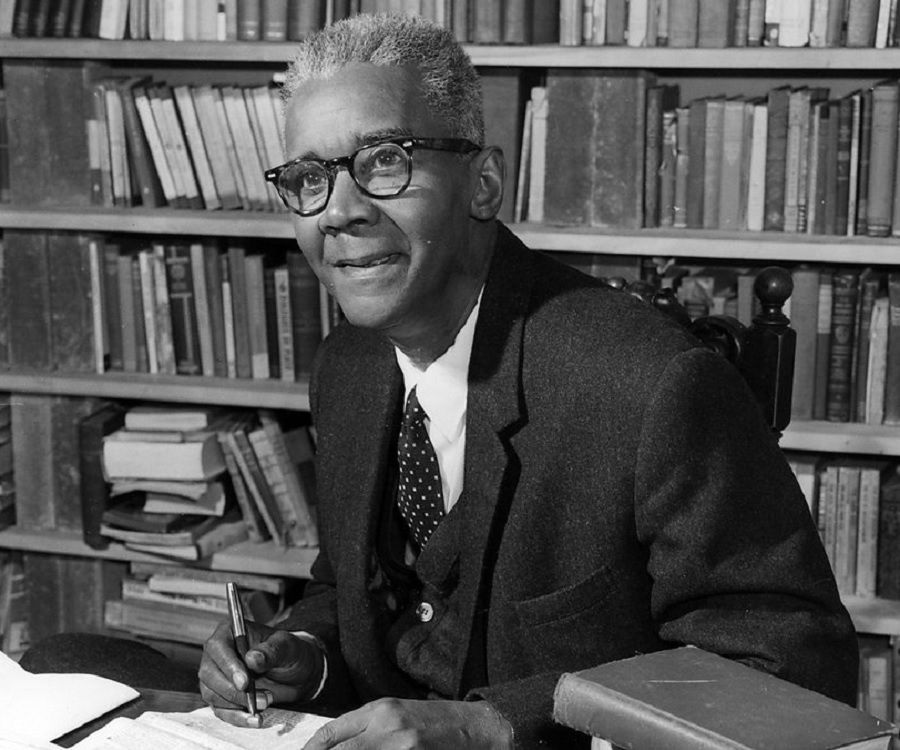
(Born 4 January 1901, Port of Spain, Trinidad and Tobago)
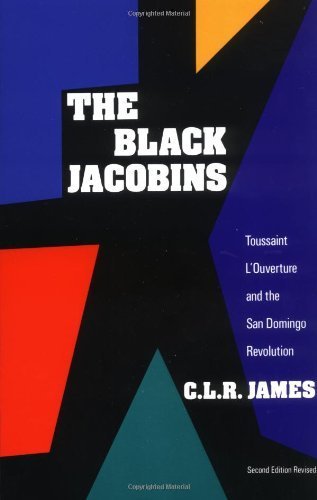
REVOLUTIONARY marxist theorist and philosopher, author of the classic, The Black Jacobins (1938) on the historic enslaved African uprising in France’s conquered and occupied Saint Domingue, the Caribbean, in the 1790s, in which theAfricans defeat the French and its pan-European naval and land forces’ allies (including, especially, British and Spanish) and proclaim the Republic of Haiti, 1804, a victory whose profound consequences are etched indelibly in the psyche of the French Establishment as it relates to African peoples and the African World subsequently
(Sonny Rollins Quartet, “St Thomas” [personnel: Rollins, tenor saxophone; Tommy Flanagan, piano; Doug Watkins, bass; Max Roach, drums; recorded: Van Gelder Studio, Hackensack, NJ, US, 22 June 1956])
RENOWNED Igbo-St Thomas intellectual, prolific author whose books, essays, commentaries and speeches, whilst working in Liberia, Sierra Leone, Nigeria, France, Britain and the United States between 1850 and 1912, inaugurate the epistemology, pan-Africanism
(Sonny Rollins Quartet, “St Thomas” [personnel: Rollins, tenor saxophone, Tommy Flanagan, piano; Doug Watkins, bass; Max Roach, drums; recorded: Van Gelder Studio, Hackensack, NJ, US, 22 June 1956])
(Sonny Rollins Quartet, The Bridge [personnel: Rollins, tenor saxophone;Jim Hall, guitar; Bob Cranshaw, bass; Ben Riley, drums; Harry “HT” Saunders, drums {on “God bless the
child” – track five – only}; recorded: RCA-Victor Studio B, New York, US, 30 January/13-14 February 1962])
(Born 4 January 1901, Port of Spain, Trinidad and Tobago)
Revolutionary marxist theorist and philosopher, author of the classic, The Black Jacobins (1938) on the historic enslaved African uprising in France’s conquered and occupied Saint Domingue, the Caribbean, in the 1790s, in which theAfricans defeat the French and its pan-European naval and land forces’ allies (including, especially, British and Spanish) and proclaim the Republic of Haiti, 1804, a victory whose profound consequences are etched indelibly in the psyche of the French Establishment as it relates to African peoples and the African World subsequently
(Sonny Rollins Quartet, “St Thomas” [personnel: Rollins, tenor saxophone; Tommy Flanagan, piano; Doug Watkins, bass; Max Roach, drums; recorded: Van Gelder Studio, Hackensack, NJ, US, 22 June 1956])
Herbert Ekwe-Ekwe is specialist on the state and on genocide & wars in Africa in the post-1966 epoch – beginning with the Igbo genocide, 29 May 1966-present day, the foundational and most gruesome genocide of post-(European)conquest Africa. 3.1 million Igbo or 25 per cent of this nation’s population were murdered by Nigeria and its allies, principally Britain. Africa and the rest of the world largely stood by and watched as the perpetrators enacted this horror most ruthlessly. The world could have stopped this genocide; the world should have stopped this genocide. This genocide inaugurated Africa’s current age of pestilence. During the period, 12 million additional Africans have been murdered in further genocide in Rwanda (1994), Zaïre/DRCongo (variously, since the late 1990s) and Darfur – west of the Sudan – (since 2004) and in other wars in Africa. African peoples have, presently, no other choice but exit/dismantle the extant genocide-state (the bane of their existence & progress) & construct own nation-centred states that serve their interests. He is author of several books & papers on the subject and his new book is entitled The longest genocide – since 29 May 1966 (2019).