Thursday, 10 November 2016

285th birthday of Benjamin Banneker

(Born 9 November 1731, Baltimore county, Maryland, US)
Influential African-centred mathematician, astronomer, inventor, author, surveyor, farmer, freedom exponent, who documents his astronomical discoveries in his widely-circulated almanacs as well  as correspondences with Thomas Jefferson (principal drafter of US constitution and future president) and others where he unambiguously asserts unfettered African freedom
(Miles Davis Quintet plays Wayne Shorter’s composition, “Footprints” [personnel: Davis, trumpet;  Shorter, tenor saxophone; Herbie Hancock, piano; Ron Carter, bass; Tony Williams, drums; recorded: 30th Street Columbia Studio, New York, US, 24-25 October 1966])
Twitter @HerbertEkweEkwe

Monday, 7 November 2016

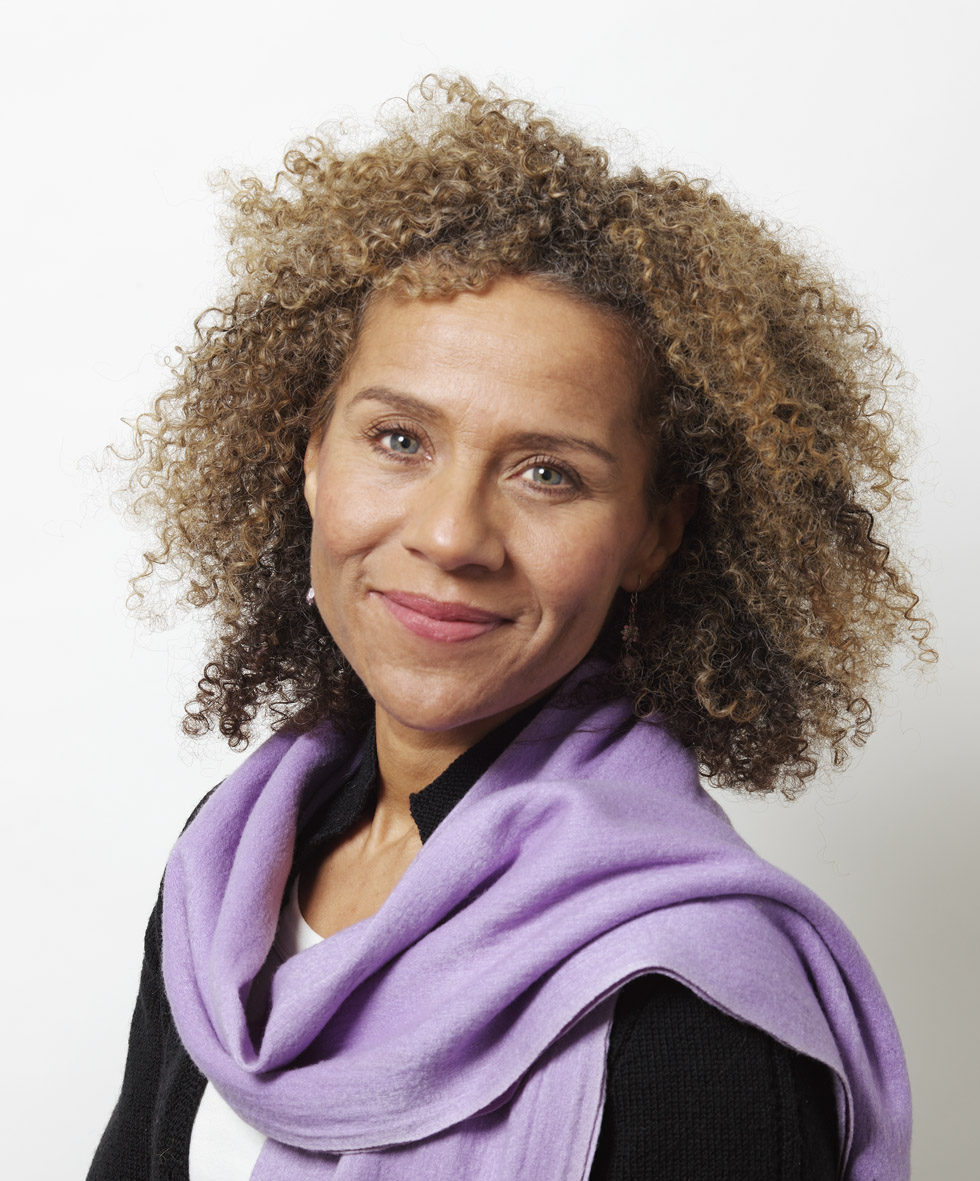
PROFILE: Chi-chi Nwanoku, bassist, professor of double bass historical studies, Royal Academy of Music London, and founder of Chineke! Foundation

(Chi-chi Nwanoku)
 (… critically-acclaimed bassist)
(Professor Nwanoku is here interviewed by Sergio Mims, Arise News, 12 May 2015)
Twitter @HerbertEkweEkwe


Back to elections – in Africa… As Ghanaians go to the polls on Wednesday 7 December 2016 to elect a new president, what indeed are the prospects of a free and fair election in Ghana and elsewhere in Africa?


Herbert Ekwe-Ekwe

ONE OF THE most profoundly enduring iconic imageries of the African scene during an election in any region of the continent – west, south, east or even in the desperately bleak “Arab spring” of the north – is the thrust and enthusiasm of the very patient and disciplined would-be voter waiting, anxiously, in stretched out and meandering queues, quite often in uncomfortable high temperatures or heavy downpours, for their turn to cast their vote in that ballot box… Tens of thousands may have begun queuing first thing at dawn, some having earlier walked many miles to a designated polling station, and several probably not able to vote well into sundown and a few returning the following day, if eventually unable to vote, in cases where a “staggered” election arrangement operated. For this teaming population of the electorate, it is not just a demonstration of some abstract civic responsibility to wish to cast their vote, but, more importantly, their belief, their earnest conviction, that they are involved in a democratic programme to exercise and clearly indicate their personal choice on who or what party should represent and advance their prescribed or preferred interest(s).

Paper

In the paper that follows (link below), I examine, in a continent-wide survey, the salient issues that the voter in Africa contends with in exercising this crucial democratic right:
(http://re-thinkingafrica.blogspot.co.uk/2014/03/elections-in-africa-voter-court-outcome.html)

Twitter @HerbertEkweEkwe


Sunday, 6 November 2016

99th birthday of Eni Njoku

Professor Njoku in conversation with a colleague, Smithsonian Institution, Washington, DC, US, c. 1967
(Born 6 November 1917, Ebem Ohaafia, Biafra)
RENOWNED BOTANIST, foundational vice-chancellor (president/rector) of University of Lagos, 1962, followed by University of Biafra vice-chancellorship, member of team of distinguished intellectuals appointed by the Biafran resistance government  during phases I-III of the Igbo genocide, 29 May 1966-12 January 1970, to travel and inform the world of this raging first genocide of post-(European)conquest Africa being executed by Nigeria and its suzerain state Britain under the premiership of Harold Wilson
(Joe Henderson Trio, “Serenity” [personnel: Henderson, tenor saxophone; Charlie Haden, bass; Al Foster, drums; recorded: live, Genova Jazz Festival, Villa Imperiale, Italy, 9 July 1987])
Twitter @HerbertEkweEkwe


Friday, 4 November 2016

83rd birthday of Chukwuemeka Odumegwu-Ojukwu

(Born 4 November 1933, Zungeru, Nigeria)
Historian and general, arguably the most outstanding Igbo leader in history – head of  Biafran resistance during phases I-III of the Igbo genocide, 29 May 1966-12 January 1970, this worst catastrophe in Igbo history, when 3.1 million Igbo people or 25 per cent of this nation’s population are murdered by Nigeria and its suzerain state Britain; demonstrates, throughout these devastating 44 months of the génocidaires’ comprehensive land, aerial and naval blockade and bombardment and slaughtering of Igbo people, unrelenting purpose, poise, dedication, tenacity, resilience
(John Coltrane Quartet, “Sun ship” [personnel: Coltrane, tenor saxophone; McCoy Tyner, piano; Jimmy Garrison, bass; Elvin Jones, drums; recorded: Impulse!, New York, US, 26 August 1965])
Twitter @HerbertEkweEkwe


Tuesday, 1 November 2016

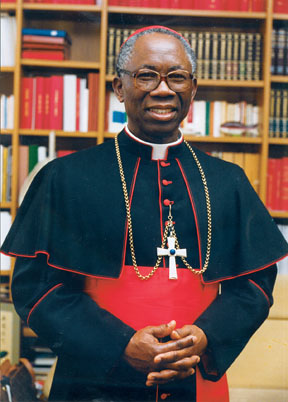
84th birthday of Francis Arinze

(Born 1 November 1932, Eziowelle, Biafra)
Cardinal of the Catholic Church who had become bishop at just 32, multidisciplinary scholar and prolific author with sharp intellect whose all time investiture  is his indefatigable service in organising responsive and expansive refugee rehabilitation programmes in Biafra, unprecedented in Africa, which saves the lives of millions, especially children, women and older citizens, during the Igbo genocide, 29 May 1966-12 January 1970, the foundational genocide of post-(European)conquest Africa, when 3.1 million Igbo people or a quarter of this nation’s population are murdered by Nigeria and its suzerain state Britain under the premiership of Harold Wilson
(John Coltrane with Eric Dolphy, “Spiritual” [personnel: Coltrane, tenor saxophone, soprano saxophone; Dolphy, bass clarinet; McCoy Tyner, piano; Reggie Workman, bass; Elvin Jones, drums; recorded: live, The Village Vanguard, New York, US, 2-3 November 1961])
Twitter @HerbertEkweEkwe