Rethinking Africa is a forward looking blog dedicated to the exchange of innovative thinking on issues affecting the advancement of African peoples wherever they are. We provide rigorous and insightful analyses on the issues affecting Africans and their vision of the world.
Showing posts with label “Back to the tracks”. Show all posts
Showing posts with label “Back to the tracks”. Show all posts
Herbert Ekwe-Ekwe TOWERING goalkeeper of the majestic and indomitable Enuugwu Rangers International – the football club, based in Enuugwu, Biafra, whose incomparable performances in local, regional and Africa continental football leagues’ engagements during the 1970s-1980s most symbolise, so dramatically, the dogged and resilient spirit of Igbo people in the aftermath of the cataclysmic Igbo genocide, 29 May 1966-12 January 1970, phases I-III, the foundational genocide of post-(European)conquest Africa when Fulani islamist/jihadist-led Nigeria and the assemblage of pan-African constituent nations therein, especially Yoruba, Edo, Jukun, Hausa, Kanuri, Nupe, Gwari, Urhobo, Tiv, Jarawa and its co-genocidist state Britain, under Prime Minister Harold Wilson, murder 3.1 million Igbo or one-quarter of this nation’s population
(Tina Brooks Sextet, “Back to the tracks” [personnel: Brooks, tenor saxophone; Blue Mitchell, trumpet; Jackie McLean, alto saxophone; Kenny Drew, piano; Paul Chambers, bass; Art Taylor, drums; recorded: Van Gelder Studio, Englewood Cliffs, NJ, US, 1 September 1960)
******Herbert Ekwe-Ekwe is the author of The longest genocide – since 29 May 1966 (2019) and co-author, with Lakeson Okwuonicha, of Why #DonaldTrump is #great for #Africa (2018)
Herbert Ekwe-Ekwe TOWERING goalkeeper of the majestic and indomitable Enuugwu Rangers International, the football club during the 1970s-1980s, which, arguably, most symbolises the dogged and resilient spirit of Igbo people in the wake of the cataclysmic genocide, 29 May 1966-12 January 1970, phases I-III, the foundational genocide of post-(European)conquest Africa, when Hausa-Fulani/islamist jihadist-led Nigeria and its suzerain state Britain under the premiership of Harold Wilson murder 3.1 million Igbo or 25 per cent of this nation’s population
(Tina Brooks Sextet, “Back to the tracks” [personnel: Brooks, tenor saxophone; Blue Mitchell, trumpet; Jackie McLean, alto saxophone; Kenny Drew, piano; Paul Chambers, bass; Art Taylor, drums; recorded: Van Gelder Studio, Englewood Cliffs, US, 1 September 1960)
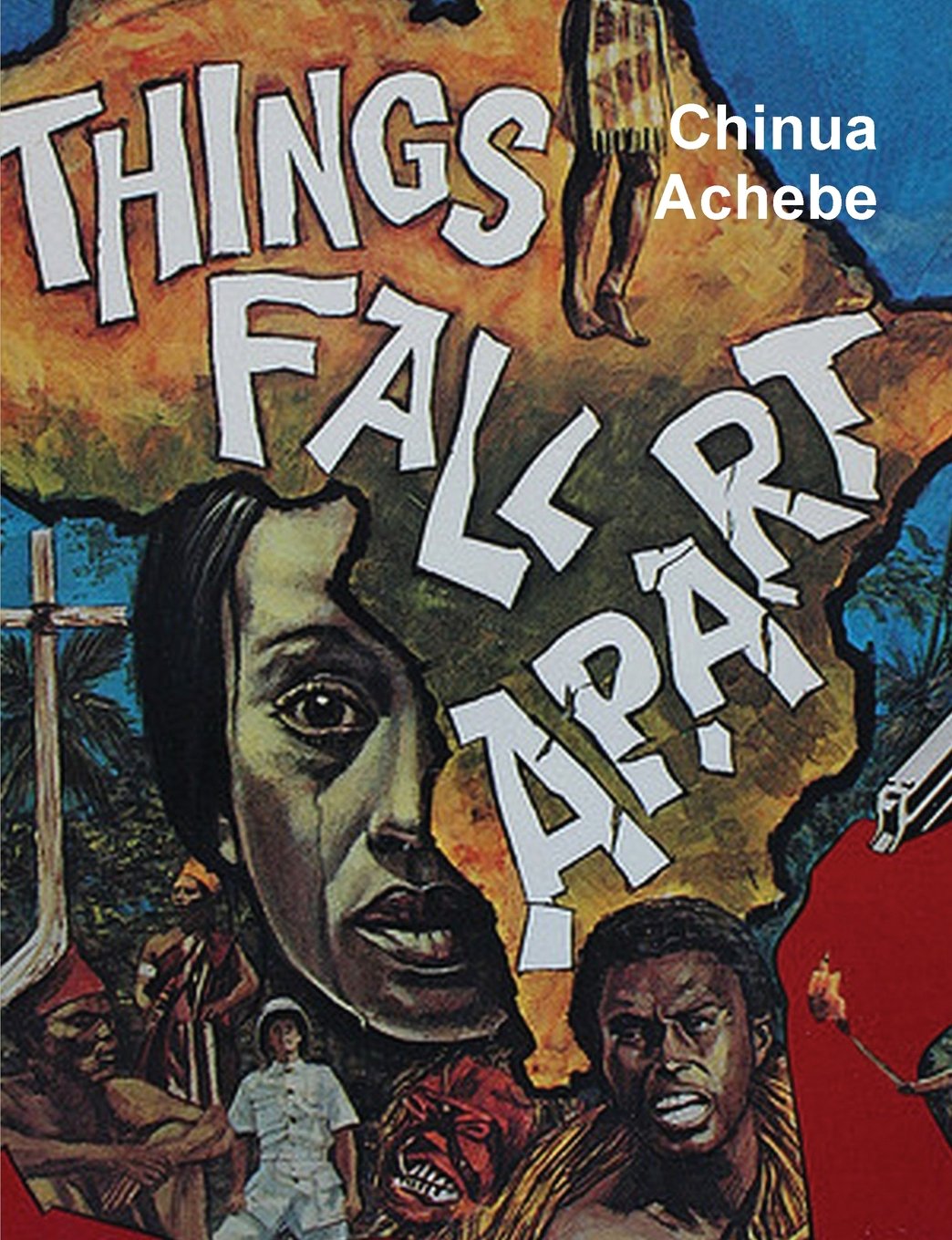
THE 12: Chinua Achebe, Things Fall Apart, Gabriel Garcia Márquez, One Hundred Years of Solitude, Toni Morrison, Beloved, Miguel de Cervantes Saavedra, Don Quixote, Charlotte Bronte, Jane Eyre, Virginia Woolf, Mrs Dalloway, Leo Tolstoy, Anna Karenina, F Scott Fitzgerald, The Great Gatsby, Harper Lee, To Kill a Mockingbird, Ralph Ellison, Invisible Man, Alice Walker, The Color Purple, EM Forster, A Passage to India
(Tina Brooks Sextet, “Back to the tracks” [personnel: Brooks, tenor saxophone; Blue Mitchell, trumpet; Jackie McLean, alto saxophone; Kenny Drew, piano; Paul Chambers, bass; Art Taylor, drums; recorded: Van Gelder Studio, Englewood Cliffs, US, 1 September 1960)
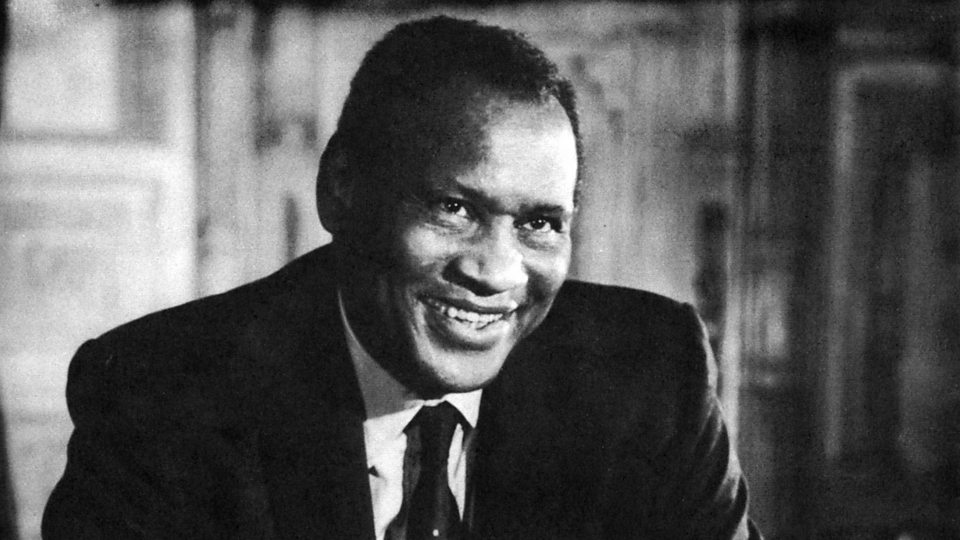
RENOWNED actor, lawyer, distinguished alumnus of the historic 1920s-1930s Harlem Renaissance of African American history and freedom, internationalist, freedom exponent
(Tina Brooks Sextet, “Back to the tracks” [personnel: Brooks, tenor saxophone; Blue Mitchell, trumpet; Jackie McLean, alto saxophone; Kenny Drew, piano; Paul Chambers, bass; Art Taylor, drums; recorded: Van Gelder Studio, Englewood Cliffs, US, 1 September 1960)
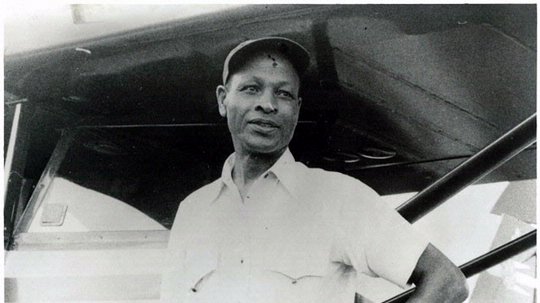
FIRM, determined, resilient, self-taught aviator after admission-rejections from flying schools because he is African America, co-founder with his wife Willa Brown of Chicago’s Coffey aeronautical school (1938) which soon becomes part of the country’s civilian pilot training programme and trains many African American pilots and technicians who later pursue careers in both civil aviation and the military, continues flying well into his 80s
(Tina Brooks Sextet, “Back to the tracks” [personnel: Brooks, tenor saxophone; Blue Mitchell, trumpet; Jackie McLean, alto saxophone; Kenny Drew, piano; Paul Chambers, bass; Art Taylor, drums; recorded:
Van Gelder Studio, Englewood Cliffs, US, 1 September 1960)
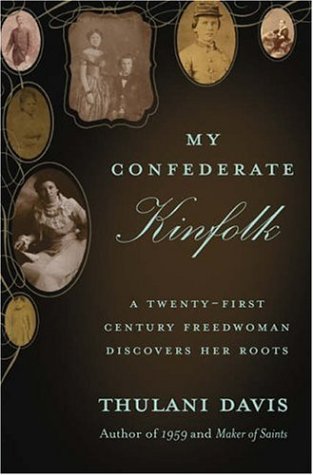
AWARD-WINNING playwright, novelist, journalist, poet, librettist, outstanding works include My Confederate Kinfolk (2006) on family history with immense national and wider resonance, The Souls of Black Folk (2003), a play on adaptation of WEB Du Bois’s classic of the same title, All the Renegade Ghosts Rise (poems: 1978), Playing the Changes (poems: 1985) and writes the libretti to two operas she collaborates with cousin and composer/pianist Anthony Davis: X (1986) on the life of Malcolm X and Amistad (1997) on the 1839 enslaved African maritime freedom uprising
(Tina Brooks Sextet, “Back to the tracks” [personnel: Brooks, tenor saxophone; Blue Mitchell, trumpet; Jackie McLean, alto saxophone; Kenny Drew, piano; Paul Chambers, bass; Art Taylor, drums; recorded: Van Gelder Studio, Englewood Cliffs, US, 1 September 1960])
Chukwuemeka Odumegwu Ojukwu: “They call us a dot on the map, and nobody’s sure quite where. Inside that dot were 700 lawyers, 500 physicians, 300 engineers, 8 million poets, 2 novelists of the first rank, and God knows what else – about one-third of all [African] intellectuals in Africa. Some dot. Those intellectuals had once fanned out all over Nigeria … where they had been envied and lynched and massacred. So they retreated to their homeland, to the dot” (30 May 1967) (added emphasis). DURING phases I-III of the Igbo genocide, 29 May 1966-12 January 1970, Nigeria and its co-genocidist suzerain-state Britain murdered 3.1 million Igbo people, 25 per cent of the Igbo population, in this foundational genocide of post-(European)conquest Africa. Tens of thousands of additional Igbo have been murdered by the dual-genocidists subsequently, in phase-IV of the genocide, begun on 13 January 1970 and continues till this day.
(colossus on the map)
(Tina Brooks Sextet, “Back to the tracks” [personnel: Brooks, tenor saxophone; Blue Mitchell, trumpet; Jackie McLean, alto saxophone; Kenny Drew, piano; Paul Chambers, bass; Art Taylor, drums; recorded: Van Gelder Studio, Englewood Cliffs, US, 1 September 1960])
Herbert Ekwe-Ekwe is specialist on the state and on genocide & wars in Africa in the post-1966 epoch – beginning with the Igbo genocide, 29 May 1966-present day, the foundational and most gruesome genocide of post-(European)conquest Africa. 3.1 million Igbo or 25 per cent of this nation’s population were murdered by Nigeria and its allies, principally Britain. Africa and the rest of the world largely stood by and watched as the perpetrators enacted this horror most ruthlessly. The world could have stopped this genocide; the world should have stopped this genocide. This genocide inaugurated Africa’s current age of pestilence. During the period, 12 million additional Africans have been murdered in further genocide in Rwanda (1994), Zaïre/DRCongo (variously, since the late 1990s) and Darfur – west of the Sudan – (since 2004) and in other wars in Africa. African peoples have, presently, no other choice but exit/dismantle the extant genocide-state (the bane of their existence & progress) & construct own nation-centred states that serve their interests. He is author of several books & papers on the subject and his new book is entitled The longest genocide – since 29 May 1966 (2019).