Showing posts with label “Stardust”. Show all posts

Monday, 22 April 2019

April is genocide awareness and prevention month: Snapshot of the Anglo-Fulani alliance that prosecutes the Igbo genocide


Herbert Ekwe-Ekwe

BRITAIN and FULANI alliance, this genocidist transcontinental dual-headed power configuration that has executed the Igbo genocide with such abiding ruthlessness and monstrosity these past 53 years, has ensured that Igbo people’s history of the past century challenges, quite dramatically, a range of key assumptions in “post-colonial” discourses that centres on race, history and geography.

In 1945, about 50 years after the beginning of the British conquest and occupation of Igboland, Biafra, the Fulani islamist jihadists in occupied north Nigeria, whose home is the Futa Djallon highlands of northwest Africa, 1500 miles away, embarked on the invasion of Igbo territorial spaces emplaced in the overarching architecture of the British occupation (in Jos, northcentral Nigeria) with the latter’s tactical if not strategic connivance. In effect, this attack, in which the Fulani unleashed a pogrom on the Igbo as the mode of invasion, formally inaugurated the dual-headed genocidist cabal that would oversee the perpetration of yet another season of pogrom on the Igbo in 1953 (Kano, north Nigeria), and then launched the horrendously full-blown, extended and expansive Igbo genocide, beginning on 29 May 1966. During phases I-III of the genocide in the 44 subsequent months, the duo genocidists murdered 3.1 million Igbo or 25 per cent of the Igbo population. Tens of thousands of additional Igbo have been murdered in phase IV of the genocide, 13 January 1970-present day. The latter tally includes the 3000 Igbo murdered since November 2015 by the Muhammadu Buhari regime, installed in power in March 2015 by ex-US President Barack Hussein Obama, the first African-descent president of the United States in 233 years of the founding of this republic, and ex-British Prime Minister David Cameron.

What disparity?

IT IS precisely because of the very genocidist terror that undergirds the Anglo-Fulani alliance, in the wake of the 1945 Fulani invasion of Igbo homes and other interests in Jos, that the Igbo resistance to this catastrophe does not categorise any of these two invaders as either “primary” or “secondary” despite the sequence of the timeframe of the invasions, despite the nature of the contributing resources that each of the co-operative executioners of this crime against humanity deploys, and despite the predictable array of data readily deployed to project the presumed disparity of the comparative “statuses” of the two complementary genocidist states in world affairs.

For the Igbo, the grave existential challenges from both the British and Fulani, in these past 74 years, have occurred almost invariably in more fluid or composite frames...
(John Coltrane Quintet, “Stardust [personnel: Coltrane, tenor saxophone; Wilbur Harden, fluegelhorn; Red Garland, piano; Paul Chambers, bass; Jimmy Cobbsdrums;  recorded: Van Gelder Studio, Hackensack, NJ, US, 11 July 1958])

*****Herbert Ekwe-Ekwe is the author of The longest genocide – since 29 May 1966 (2019) and co-author, with Lakeson Okwuonicha, of Why #DonaldTrump is #great for #Africa (2018)
Twitter @HerbertEkweEkwe

Monday, 4 March 2019

A snapshot of the Anglo-Fulani alliance that prosecutes the Igbo genocide most gruesomely


Herbert Ekwe-Ekwe

BRITAIN and FULANI alliance, this transcontinental genocidist dual-headed power configuration that has executed the Igbo genocide with such abiding ruthlessness and monstrosity these past 53 years, has ensured that Igbo people’s history of the past century challenges, quite dramatically, a range of key assumptions in post-conquest studies/“post-colonial” studies/discourses that centres on race, racism, power, viciousness, brigandage, worldview, conquest(s), geography, restoration-of-independence.

Contests, collaboration

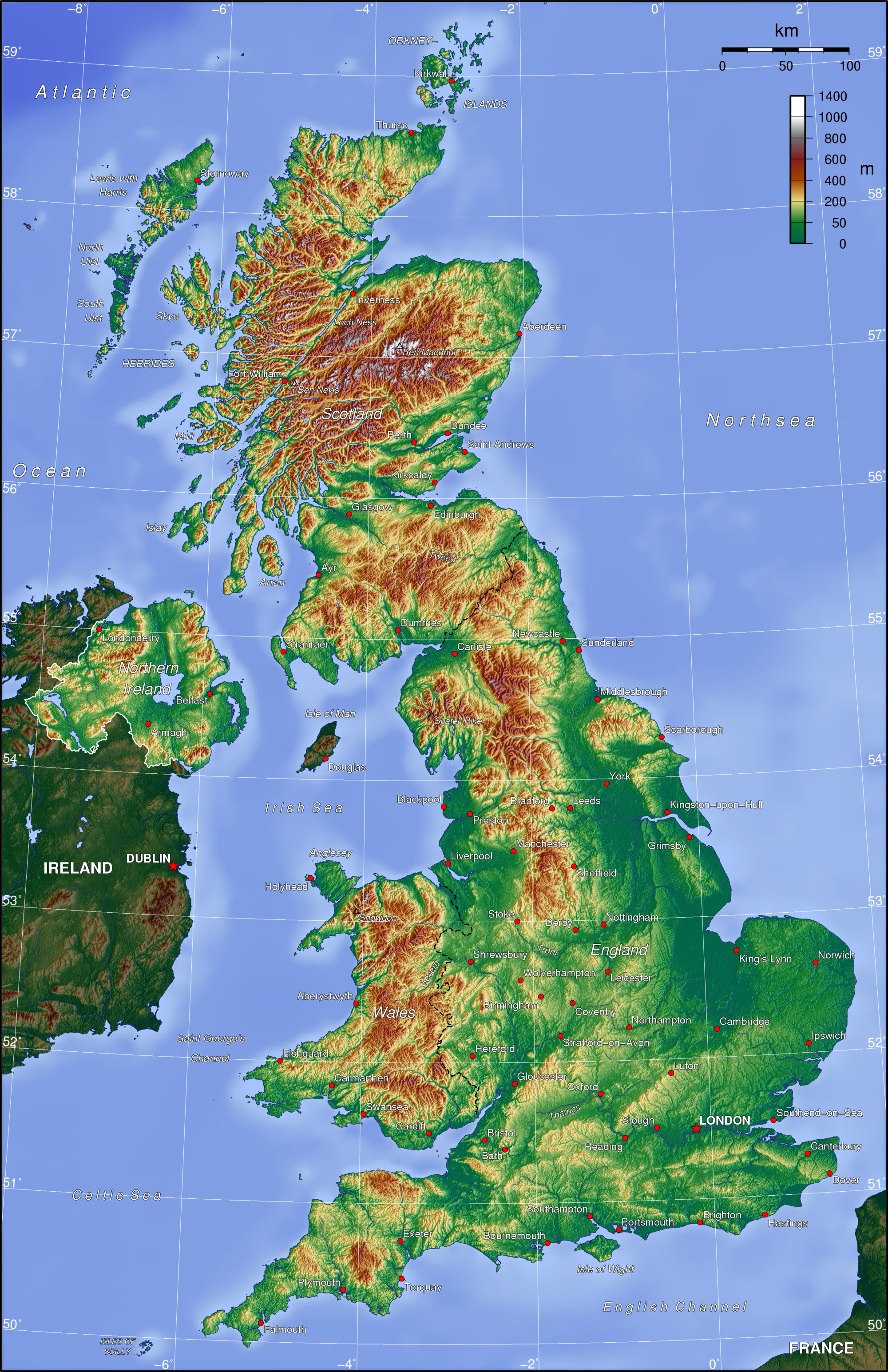
Here, two conqueror-states, two imperialisms, are initially in contests and later on in fulsome collaboration: British, from northwest Europe, and Fulani, from northwestcentral Africa, both on the prowl across this Africa’s central region in the 1800s ... Both soon, amicably, switch to relay ravages, post-1900, conquering state after state with catastrophic consequences for scores of constituent African peoples, laying the foundation where they ally most strategically, beginning 29 May 1966, in carrying out the Igbo genocide.

EARLIER on in 1945, about 50 years after the beginning of the British conquest and occupation of Igboland, the Fulani (whose home is the Futa Djallon highlands of northwestcentral Africa, 1500 miles away) in occupied north Nigeria embarked on the invasion of Igbo territorial spaces emplaced in the overarching architecture of the British occupation (in Jos, northcentral Nigeria) with the latter’s tactical (if not strategic) connivance. 

In effect, this attack, in which the Fulani unleashed a pogrom on the Igbo as the mode of invasion, formally inaugurated the Fulani-British dual-headed genocidist cabal that would oversee the perpetration of yet another season of pogrom on the Igbo in 1953 (Kano, north Nigeria), and then launch the horrendously full-blown, extended and expansive Igbo genocide, beginning on 29 May 1966. 

DURING phases I-III of the genocide in the 44 subsequent months, the duo genocidists murdered 3.1 million Igbo or 25 per cent of the Igbo population. Tens of thousands additional Igbo have been murdered in phase IV of the genocide, 13 January 1970-present day. These include the 3000 Igbo murdered since November 2015 by the regime of the findish génocidaire Muhammadu Buhari who was installed in power by ex-US President Barack Hussein Obama, the first African-descent president in 233 years of the founding of the United States republic, and David Cameron, ex-British prime minister.

Existential

It is precisely because of the very genocidist terror that undergirds the Anglo-Fulani alliance in the wake of the 1945 Fulani invasion of Igbo homes and other interests in Jos that the Igbo resistance to this catastrophe does not categorise any of these invaders as either “primary” or “secondary”, despite the sequence of the timeframe of the invasions and despite the nature of the contributing resources that each of the co-operative executioners of this crime against humanity deploys. 

FOR the Igbo, the grave existential challenges from both the British and Fulani in these past 74 years have occurred almost invariably in more fluid or composite frames.
(John Coltrane Quintet, “Stardust [personnel: Coltrane, tenor saxophone; Wilbur Harden, fluegelhorn; Red Garland, piano; Paul Chambers, bass; Jimmy Cobbs, drums; recorded: Van Gelder Studio, Hackensack, NJ, US, 11 July 1958])

*****Herbert Ekwe-Ekwe is author of the recently published The longest genocide  since 29 May 1966 (2019) and co-author, with Lakeson Okwuonicha, of Why #DonaldTrump is #great for #Africa (2018)

Twitter @HerbertEkweEkwe

Sunday, 18 November 2018

69th anniversary of the Enuugwu, Biafra, colliery massacre by the British occupation police

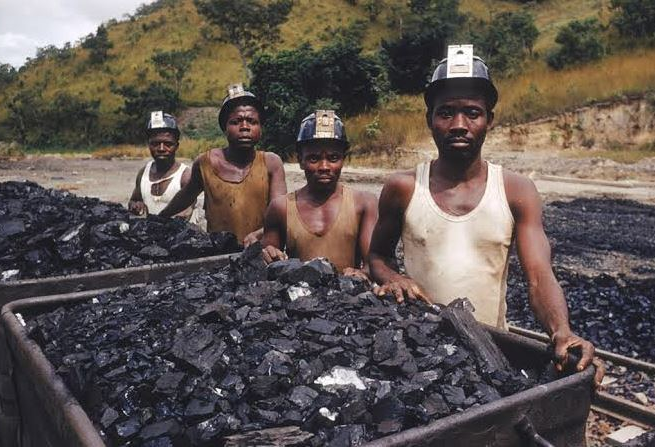
(Miners at the Enuugwu colliery, undated)
Herbert Ekwe-Ekwe

ON 18 NOVEMBER 1949, 21 coal miners at the Iva Valley colliery, Enuugwu, Biafra, were shot dead by the British occupation police in response to the miners’ peaceful, popular protest for a pay increase, improvement in working and safety mine provisions, and support for the ongoing restoration-of-independence movement, begun in the 1930s and spearheaded by the Igbo, to terminate 64 years of Britain’s conquest of the constellation of states and peoples of this southwestcentral region of Africa. The murder of the coal miners constituted a new front in Britain’s 100 years war against Igboland and the variegated frames of Igbo resistance to it that parallel the very stretch of the British occupation of the states and peoples of this region of Africa it tagged “Nigeria”: especially the 1880s-1914 Ekumeku wars and resistance in Anioma, west Igboland, west of the Oshimiri River; the 1901-1902 war against the Aru in northeastcentral Igboland; the 1929 Ogu umu nwanyi Igbo/Igbo women’s resistance in Aba/Igbo eastcentral region.

The Enuugwu massacre, in addition to the organised pogroms against Igbo people in June 1945 (Jos, northcentral Nigeria) and May 1953 (Kano, north Nigeria) by the Fulani islamist/jihadist political leadership of north Nigeria, on the ground strategic client of the occupation, were dreadful precursors to the Igbo genocide of 29 May 1966-12 January 1970 (phases I-III) – in which Britain and Nigeria murdered 3.1 million Igbo, 25 per cent of this nation’s population, in the foundational genocide of post-(European)conquest Africa. 

Cameron, Buhari, Obama

THE dual genocidist states have murdered tens of thousands of additional Igbo during the course of phase-IV of the genocide (launched on 13 Janauary 1970 and continuing) including the 3000 murdered by the current Muhammadu Buhari regime in Abuja since October 2015. Instrumentally, Buhari, one of the surviving vilest génocidaire-operatives who was an early recruit to this genocide campaign 52 years ago, was imposed on Nigeria as head of regime in March 2015 by the then British Prime Minister David Cameron and ex-US President Barack Obama, the first African-descent president of the United States in 233 years of the founding of the republic. Obama’s support for the Igbo genocide is the abhorrent legacy of his presidency.
(John Coltrane Quintet, “Stardust [personnel: Coltrane, tenor saxophone; Wilbur Harden, fluegelhorn; Red Garland, piano; Paul Chambers, bass; Jimmy Cobbsdrums;  recorded: Van Gelder Studio, Hackensack, NJ, US, 11 July 1958])

*****Herbert Ekwe-Ekwe is the author of Biafra Revisited (2006) and author, with Lakeson Okwuonicha, of Why Donald Trump is great for Africa (2018)
(https://www.amazon.co.uk/Why-Donald-Trump-great-Africa-ebook/dp/B07KFQHXKV/ref=tmm_kin_swatch_0?_encoding=UTF8&qid=1542585950&sr=8-1)

Twitter @HerbertEkweEkwe

Wednesday, 18 April 2018

April is genocide awareness and prevention month: A snapshot of the Anglo-Fulani alliance that prosecutes the Igbo genocide


Herbert Ekwe-Ekwe

BRITAIN and FULANI alliance, this genocidist transcontinental dual-headed power configuration that has executed the Igbo genocide with such abiding ruthlessness and monstrosity these past 52 years, has ensured that Igbo people’s history of the past century challenges, quite dramatically, a range of key assumptions in “post-colonial” discourses that centres on race and geography.

In 1945, about 50 years after the beginning of the British conquest and occupation of Igboland, the Fulani in occupied north Nigeria, whose home is the Futa Djallon highlands of northwest Africa, 1500 miles away, embarked on the invasion of Igbo territorial spaces emplaced in the overarching architecture of the British occupation (in Jos, northcentral Nigeria) with the latter’s tactical if not strategic connivance. In effect, this attack, in which the Fulani unleashed a pogrom on the Igbo as the mode of invasion, formally inaugurated the dual-headed genocidist cabal that would oversee the perpetration of yet another season of pogrom on the Igbo in 1953 (Kano, north Nigeria), and then launched the horrendously full-blown, extended and expansive Igbo genocide, beginning on 29 May 1966. During phases I-III of the genocide in the 44 subsequent months, the duo genocidists murdered 3.1 million Igbo or 25 per cent of the Igbo population. Tens of thousands additional Igbo have been murdered in phase IV of the genocide, 13 January 1970-present day.

IT IS precisely because of the very genocidist terror that undergirds the Anglo-Fulani alliance in the wake of the 1945 Fulani invasion of Igbo homes and other interests in Jos that the Igbo resistance to this catastrophe does not categorise any of these invaders as either “primary” or “secondary”, despite the sequence of the timeframe of the invasions and despite the nature of the contributing resources that each of the co-operative executioners of this crime against humanity deploys. For the Igbo, the grave existential challenges from both the British and Fulani in these past 73 years have occurred almost invariably in more fluid or composite frames.
(John Coltrane Quintet, “Stardust [personnel: Coltrane, tenor saxophone; Wilbur Harden, fluegelhorn; Red Garland, piano; Paul Chambers, bass; Jimmy Cobbsdrums;  recorded: Van Gelder Studio, Hackensack, NJ, US, 11 July 1958]) 
Twitter @HerbertEkweEkwe