Rethinking Africa is a forward looking blog dedicated to the exchange of innovative thinking on issues affecting the advancement of African peoples wherever they are. We provide rigorous and insightful analyses on the issues affecting Africans and their vision of the world.
One of leading innovative jazz drummers in the 1950s/1960s who frees the drums from the “traditional” time-keeping role in the music ensemble, with the drums now engaging more proactively and continuously in multiple-centred dialogues with other instruments whose soloists resultantly feel less inhibited by time in their own creative enterprise
(Albert Ayler Trio, “Ghosts – first variation” [personnel: Ayler, tenor saxophone; Gary Peacock, bass; Sunny Murray, drums; recorded: ESP-Disk, New York, 10 July 1965])
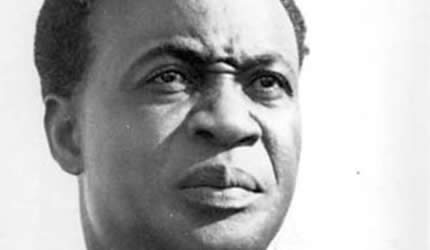
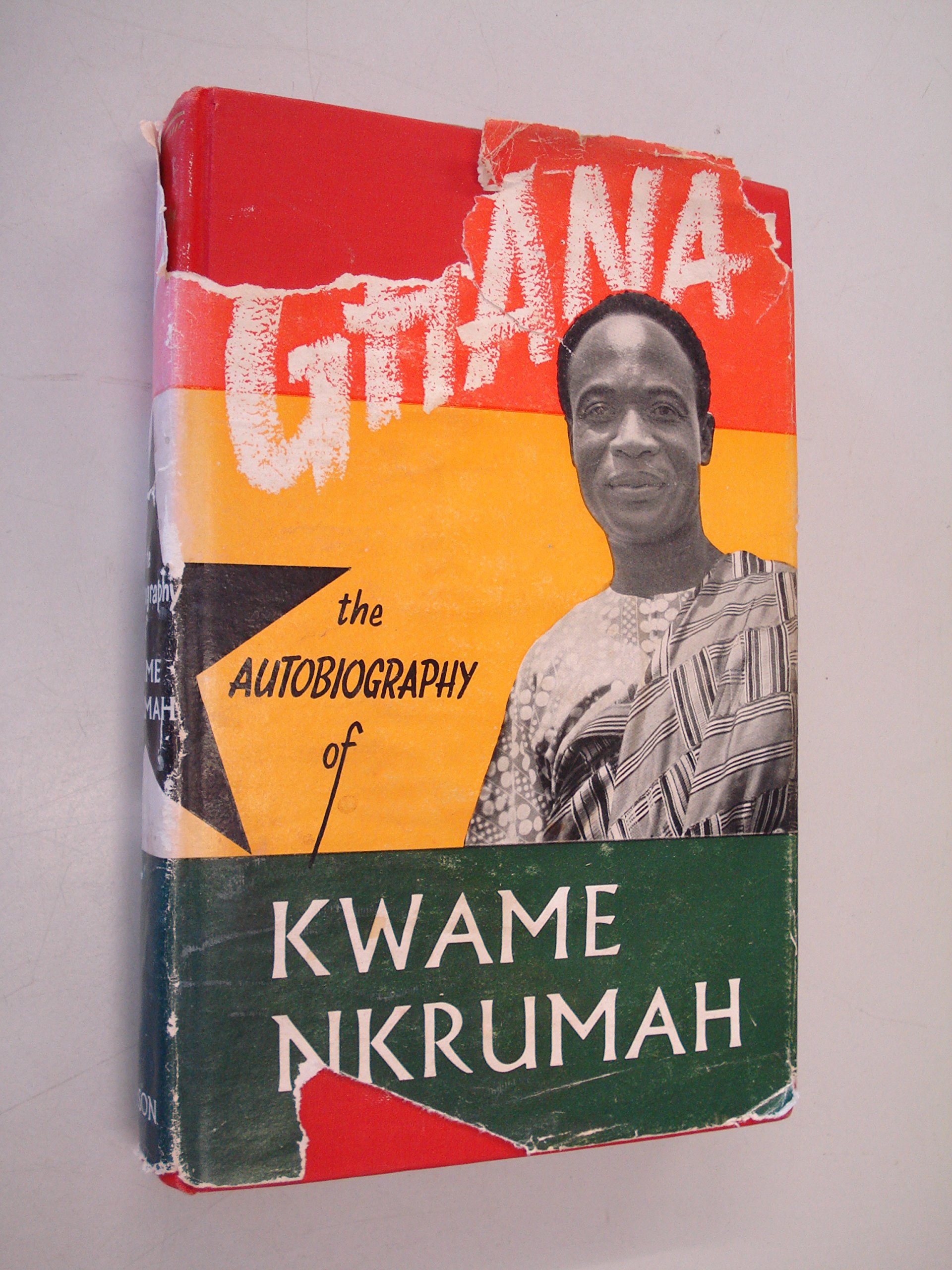
Influential philosopher and theorist of an encompassing African World consciousness and first president of contemporaryGhana, July 1960, following the 6 March 1957 restoration-of-independence after a century of the British conquest and occupation
(Jackie McLean Sextet, “Appointment in Ghana” [personnel: McLean, alto
saxophone; Blue Mitchell, trumpet; Tina
Brooks, tenor saxophone; Kenny Drew, piano; Paul Chambers, bass; Art Taylor, drums;
recorded: Van Gelder Studio, Englewood Cliffs, NJ, US, 1 September 1960])
– excerpts from the
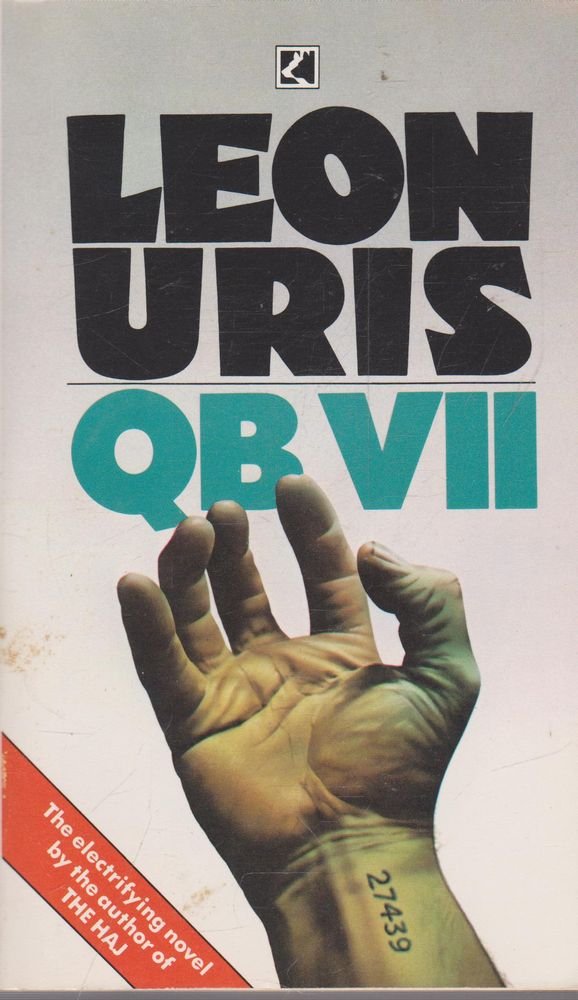
gripping and indelible lines on the Igbo genocide (29 May 1966-12 January 1970),
the foundational genocide of post-(European)conquest Africa launched by Nigeria and Britain 21 years after end of the Jewish genocide, in Leon Uri’s
classic, QB VII (London: Bantam Books, 1970), pp. 392-393:
Abe studied them all, his worn-out little band of idealists.
“Ladies and gentlemen of the jury,” he said in a voice that
literally moaned with sorrow, “I would like to make a statement by quoting in
effect the words of Thomas Bannister, Q.C., when he said that no one in their
wildest imaginations would have believed Hitler’s Germany before it actually
happened. And he said, if the civilized world knew what Hitler intended to do
then they would have stopped him. Well, here we are in 1967, and the Arabs vow
daily to finish Hitler’s work. Certainly the world will not stand for another
chapter of this holocaust. There is a right and a wrong. It is right for a
people to want to survive. It is wrong to want to destroy them. But alas, the
kingdom of heaven is concerned with righteousness alone. The kingdoms of the
earth run on oil. Well now, certainly the world should be appalled by what is
happening in Biafra. The stink of genocide is everywhere. Certainly, after
Hitler’s Germany, the world should step in and stop genocide in Biafra.
However, that becomes impractical when one considers England’s investments in
Nigeria conflict with France’s interests in Biafra. After all, members of the
jury, it is only [African] people killing other [African] people.
“We should like to think,” Abe said, “that Thomas Bannister
was right, when he said more people, including the German people, should have
risked punishment and death by refusing orders. We should like to believe there
would have been a protest and ask why didn’t the Germans protest? Well today,
young people march in the streets to protest Biafra and Vietnam and the
principle of murdering their fellow man through the medium of war. And we say
to them … why are you protesting so much? Why don’t you go there and kill like
your father killed? …”
(Eric Dolphy Duo, “Alone together” [personnel: Dolphy, bass clarinet; Richard Davis, double bass; recorded: Fuel Records, New York, US, {May?June?July?} 1963])
Intensely creative alto saxophonist and composer who categorises his music (as well as that of Duke Ellington, Charlie Parker, John Coltrane and other masters) as “spontaneous composition”
(Dave Holland Quintet, “Homecoming” – featuring Steve Coleman [personnel: Holland, bass; Kenny Wheeler, fluegelhorn; Robin Eubanks, trombone; Coleman, alto saxophone; Marvin “Smithy” Smith, drums; recorded: live, Zelt-Musik Festival, Freiburg, Germany 31 March 1986])
As the milestones
(below) show, the European World-conqueror/conquest state in Africa, right from
the outset, in the wake of the notorious November 1884-February 1885 Berlin
conference, is at once an occupying and
genocide state. The lead conqueror-powers – Belgium, Germany, Britain and France,
in that chronological order, would directly or indirectly (eg., French military brigade based and operating in
Rwanda, 1994) perpetrate genocide in which millions of constituent peoples in Africa are murdered in
designated countries in eastcentral, south and southwestcentral regions of the
continent they occupy or quasi-occupy during the course of 137 years (1878-2015). In the cases of Nigeria,
Rwanda, the Sudan, and Democratic Republic of the Congo, beginning with Nigeria’s
launch of the Igbo genocide on 29 May 1966, the African “inheritors” of this
conquest-genocide state essentially take over as the primary-agent executors of genocide in
contemporary Africa.
Haunting
milestones
(1) 1878-1908: King Leopold II-led Belgian monarchy/state-organised genocide of constituent peoples in the Congo basin of central Africa (2,442,240 sq km landmass, 80 times the size of Belgium) – 13 million African constituent peoples murdered (see, especially, multiple research by historian and linguist Isidore Ndaywel èNziem – particularly his Histoire générale du Congo: De l'héritage ancien à la République Démocratique [Paris: Duculot, 1998], p. 344)
(2) 1904-1907: German state-organised genocide of Herero people in Namibia – 65,000 out of 80,000 Herero murderedor 80 per cent of the total Herero population wiped out
(3) 1904-1907: German state-organised genocide of Nama people in Namibia – 10,000 Nama were murderedor 50 per cent of the Nama population destroyed (4) 29 May 1966-12 January 1970 (phases I-III): Nigeria state-organised genocide of Igbo people, foundational genocide of post-(European)conquest Africa, supported, centrally, by Britain (diplomatically, politically, militarily) – 3.1 million Igbo or one-quarter of this nation’s population murdered, representing highest number of genocide fatality of any single constituent nation or people in Africa during these past 137 years
(5) 13 January 1970-Present Day (phase-IV): Nigeria state-organised genocide of Igbo people – tens of thousands of Igbo murdered
(6) 1994: Rwanda state-organised genocide of Tutsi people, with a French military brigade stationed in the country during the period implicated in the perpetration of this crime – 800,000 Tutsi murdered
(7) Since mid-1990s: Democratic Republic of the Congo/contiguous states/proxy states-facilitated/organised genocide of African constituent peoples in the Democratic Republic of the Congo – 5 million constituent African peoples murdered
(8) 2003-2oo6: The Sudan state-organised genocide of Darfuri people – 300,000 Darfuri murdered
(9) Since 2006: The Sudan state-organised genocide of African constituent peoples in the south of the country (NubaMountains, South Kordofan, Blue Nile) – tens of thousands of African constituent peoples murdered
(Multiinstrumentalist Eric Dolphy
here plays “God bless the child” [composed by Billie Holiday & Arthur
Herzog, Jr] [personnel: Dolphy, bass clarinet; recorded: live, University of
Illinoi, Champaign, Illinoi, 10 March 1963])
Physician,
poet, co-founder of Movimento Popular de Libertação de Angola (Popular Movement
for the Liberation of Angola) and first African president of Angola, November
1975, after the people’s victory terminating 400 years of the Portuguese
conquest and occupation Twitter@HerbertEkweEkwe
Herbert Ekwe-Ekwe is specialist on the state and on genocide & wars in Africa in the post-1966 epoch – beginning with the Igbo genocide, 29 May 1966-present day, the foundational and most gruesome genocide of post-(European)conquest Africa. 3.1 million Igbo or 25 per cent of this nation’s population were murdered by Nigeria and its allies, principally Britain. Africa and the rest of the world largely stood by and watched as the perpetrators enacted this horror most ruthlessly. The world could have stopped this genocide; the world should have stopped this genocide. This genocide inaugurated Africa’s current age of pestilence. During the period, 12 million additional Africans have been murdered in further genocide in Rwanda (1994), Zaïre/DRCongo (variously, since the late 1990s) and Darfur – west of the Sudan – (since 2004) and in other wars in Africa. African peoples have, presently, no other choice but exit/dismantle the extant genocide-state (the bane of their existence & progress) & construct own nation-centred states that serve their interests. He is author of several books & papers on the subject and his new book is entitled The longest genocide – since 29 May 1966 (2019).