Rethinking Africa is a forward looking blog dedicated to the exchange of innovative thinking on issues affecting the advancement of African peoples wherever they are. We provide rigorous and insightful analyses on the issues affecting Africans and their vision of the world.
Showing posts with label Alice Coltrane Quintet. Show all posts
Showing posts with label Alice Coltrane Quintet. Show all posts
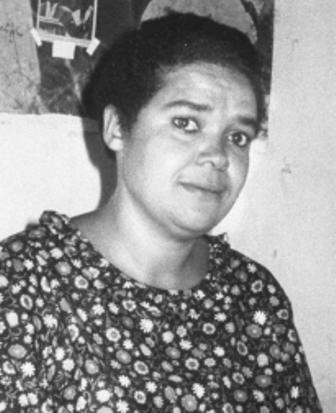
(Born 6 July 1937, Pietermaritzburg, South Africa)
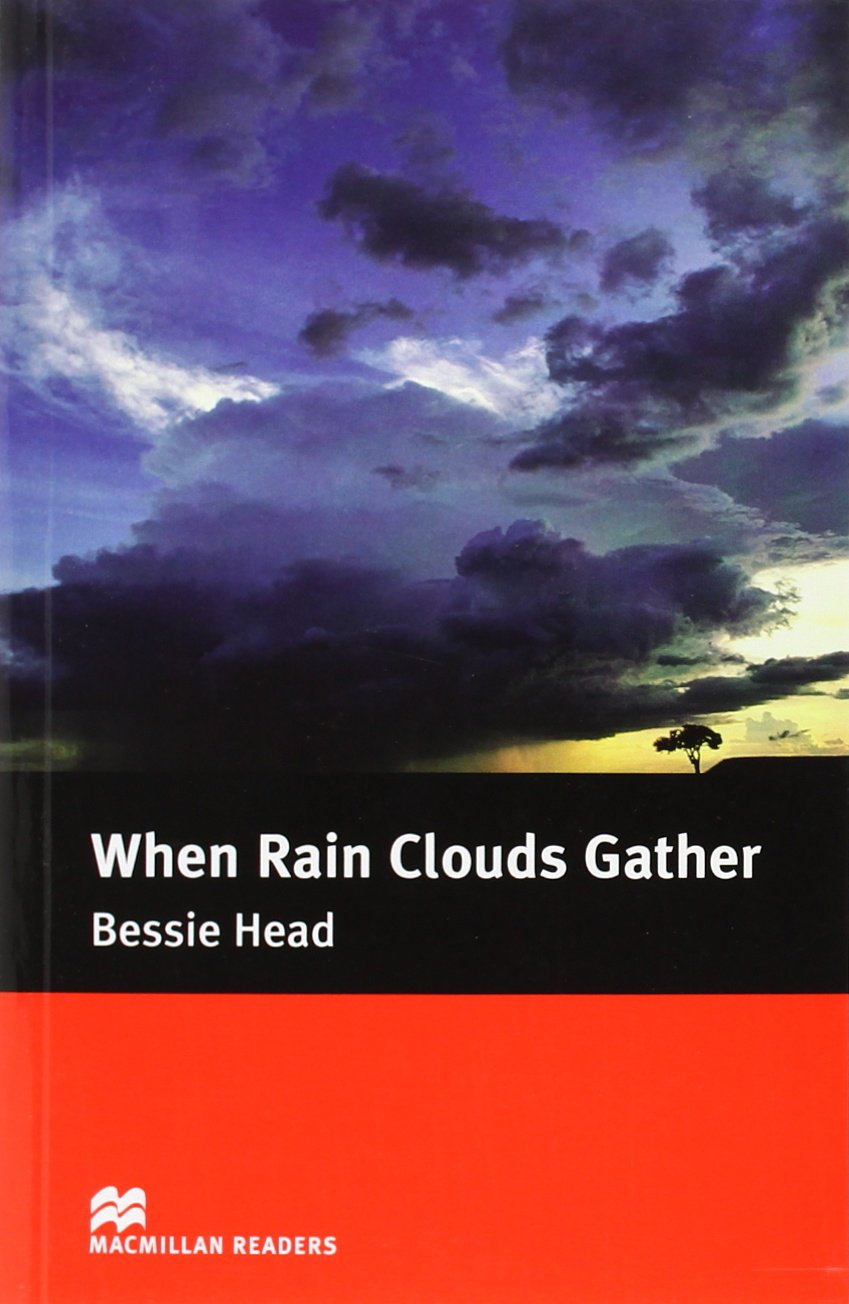
Herbert Ekwe-Ekwe ARGUABLY Botswana’s leading writer whose critically acclaimed publications include the novels When Rain Clouds Gather (1968), Maru (1971) and A Question of Power (1973) and the historical study, Serowe: Village of the Rain Wind (1981)
(Alice Coltrane Quintet, “Isis and Osiris” {1&2} [personnel: Coltrane, harp;Pharoah Sanders, soprano saxophone, percussion;Charlie Haden, bass;Vishnu Wood, oud;Rashied Ali, drums;recorded: live, The Village Gate, New York, US, 4 July 1970])
Herbert Ekwe-Ekwe MATHEMATICIAN, physicist, linguist, anthropologist, philosopher, historian and Egyptologist, demonstrates, most copiously in his near-40 years of research (beginning in the 1940s) and publication of papers and books, especially Nations Nègres et Culture, 1955 (English translation: African Origin of Civilization, 1974), L’unité culturelle de l’Afrique noire, 1959 (English: The Cultural Unity of Black Africa: The Domains of Matriarchy & Patriarchy in Classical Antiquity, 1989) and Civilisation ou barbarie, 1981 (English: Civilization or Barbarism, 1991), that Kemet, “ancient Egypt”, is an Africancivilisation and that African peoples are the indisputable heirs to its heritage
Cheikh Anta Diop, African Origin of Civilization (Chicago: Chicago Review, 1989), 336 pp, US$11.30/£10.73 pbk
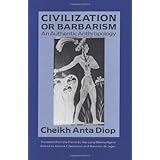
Cheikh Anta Diop, Civilization or Barbarism (Chicago: Lawrence Hill, 1991), 464 pp, US$15.64/£15.49 pbk FOR AN ASSESSMENT of Cheikh Anta Diop’s salient contribution to the scholarship of the African World, see, for instance, Herbert Ekwe-Ekwe, Readings from Reading: Essays on African Politics, Genocide, Literature (Dakar & Reading: African Renaissance, 2011), pp.7-11.
(Alice Coltrane Quintet, “Blue Nile” [personnel: Coltrane, harp;Joe Henderson, alto flute, Pharoah Sanders, alto flute;Ron Carter, bass;Ben Riley, drums; recorded: Coltrane home studios, Dix Hills, New York, US, 26 January 1970])
(Born 6 July 1937, Pietermaritzburg, South Africa)
Arguably Botswana’s leading writer whose critically acclaimed publications include the novels When Rain Clouds Gather (1968), Maru (1971) and A Question of Power (1973) and the historical study, Serowe: Village of the Rain Wind (1981)
(Alice Coltrane Quintet, “Isis and Osiris” {1&2} [personnel: Coltrane, harp;Pharoah Sanders, soprano saxophone, percussion;Charlie Haden, bass;Vishnu Wood, oud;Rashied Ali, drums;recorded: live, The Village Gate, New York, US, 4 July 1970])
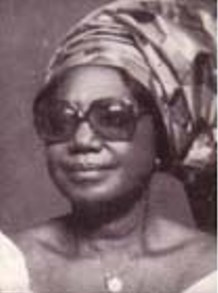
Okee nwanyi mmadu, first African (continental) woman published novelist – Efuru, 1966, and, soon after,Idu, which she begins to work on at the onset of the Igbo genocide (mid-1966) and later publishes in 1970; her landmark works as well as those of sociologistKamene Okonjo’s open up the expanse of possibilities in Igbo Women/African World Studies within which the scholarship, artistry and writings of subsequent generations of intellectuals, working worldwide, have flourished immensely
(Alice Coltrane Quintet, “Mantra” [personnel: Coltrane, piano; Pharoah Sanders, tenor saxophone (heard on the right channel and takes the second saxophone solo); Joe Henderson, tenor saxophone (takes the first saxophone solo and heard on the left channel); Ron Carter, bass; Ben Riley, drums; recorded: Coltrane home studio, Dix Hills, New York, US, 26 January 1970])
Mathematician, physicist, linguist, anthropologist, philosopher, historian and Egyptologist, demonstrates, most copiously in his near-40 years of research (beginning in the 1940s) and publication of papers and books, especially Nations Nègres et Culture, 1955 (English translation: African Origin of Civilization, 1974), L’unité culturelle de l’Afrique noire, 1959 (English: The Cultural Unity of Black Africa: The Domains of Matriarchy & Patriarchy in Classical Antiquity, 1989) and Civilisation ou barbarie, 1981 (English: Civilization or Barbarism, 1991), that Kemet, “ancient Egypt”, is an Africancivilisation and that African peoples are the indisputable heirs to its heritage
Cheikh Anta Diop, African Origin of Civilization (Chicago: Chicago Review, 1989), 336 pp, US$11.30/£10.73 pbk
Cheikh Anta Diop, Civilization or Barbarism (Chicago: Lawrence Hill, 1991), 464 pp, US$15.64/£15.49 pbk For an assessment of Cheikh Anta Diop’s salient contribution to the scholarship of the African World, see, for instant, Herbert Ekwe-Ekwe, Readings from Reading: Essays on African Politics, Genocide, Literature (Dakar & Reading: African Renaissance, 2011), pp.7-11.
(Alice Coltrane Quintet, “Blue Nile” [personnel: Coltrane, harp;Joe Henderson, alto flute, Pharoah Sanders, alto flute;Ron Carter, bass;Ben Riley, drums; recorded: Coltrane home studios, Dix Hills, New York, US, 26 January 1970])
Herbert Ekwe-Ekwe is specialist on the state and on genocide & wars in Africa in the post-1966 epoch – beginning with the Igbo genocide, 29 May 1966-present day, the foundational and most gruesome genocide of post-(European)conquest Africa. 3.1 million Igbo or 25 per cent of this nation’s population were murdered by Nigeria and its allies, principally Britain. Africa and the rest of the world largely stood by and watched as the perpetrators enacted this horror most ruthlessly. The world could have stopped this genocide; the world should have stopped this genocide. This genocide inaugurated Africa’s current age of pestilence. During the period, 12 million additional Africans have been murdered in further genocide in Rwanda (1994), Zaïre/DRCongo (variously, since the late 1990s) and Darfur – west of the Sudan – (since 2004) and in other wars in Africa. African peoples have, presently, no other choice but exit/dismantle the extant genocide-state (the bane of their existence & progress) & construct own nation-centred states that serve their interests. He is author of several books & papers on the subject and his new book is entitled The longest genocide – since 29 May 1966 (2019).