Rethinking Africa is a forward looking blog dedicated to the exchange of innovative thinking on issues affecting the advancement of African peoples wherever they are. We provide rigorous and insightful analyses on the issues affecting Africans and their vision of the world.
Showing posts with label The New York Contemporary Five. Show all posts
Showing posts with label The New York Contemporary Five. Show all posts
(Donald Trump ... president of the US: steadily dismantling post 1939-1945 war West leadership consensus...)
Herbert Ekwe-Ekwe
IN THE wake
of the just concluded captivating G7 summit in Charlevoix, Canada, it is
evident that anti-establishment US President Donald Trump is steadily dismantling
that post 1939-1945 war cosily predictable West leadership consensus that has since
run most of the world including, particularly, Africa. The consequences of this
development are surely immense and varied and will be discussed and analysed
and discussed and analysed… As the cliché goes, watch this space!
(The New York Contemporary Five, “Consequences” [personnel: Archie Shepp, tenor saxophone; Don Cherry, pocket trumpet; John Tchicai, alto saxophone; Don Moore, bass; JC Moses, drums; recorded: live, Jazzhus Montmarte, Copenhagen, Denmark, 15 November 1963])
INGENIOUS alto (and tenor)saxophonist, composer, bandleader, one of the most outstandingly ethereal soloists in the repertoire
(The New York Contemporary Five plays Bill Dixon’s composition, “Trio” – [personnel: Archie Shepp, tenor saxophone; Don Cherry, pocket trumpet; Tchicai, alto saxophone; Don Moore, bass; JC Moses, drums [recorded: live, Jazzhus Montmarte, Copenhagen, Denmark, 15 November 1963][note particularly Tchicai’s ethereal solo - first - at this session])
(The New York Contemporary Five plays Bill Dixon’s composition, “Trio” [personnel: Archie Shepp, tenor saxophone; Don Cherry, pocket trumpet; Tchicai, alto saxophone; Don Moore, bass; JC Moses, drums; recorded: live, Jazzhus Montmarte, Copenhagen, Denmark, 15 November 1963; note particularlyTchicai’s ethereal solo – first – here which
captures the historic saliency of the restoration-of-independence movement of
the Biafran and Catalan peoples])
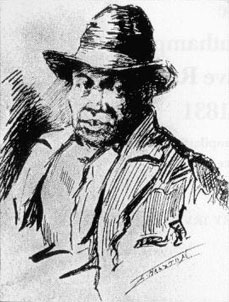
(Born 2 October 1800, Southampton county, Virginia, US)
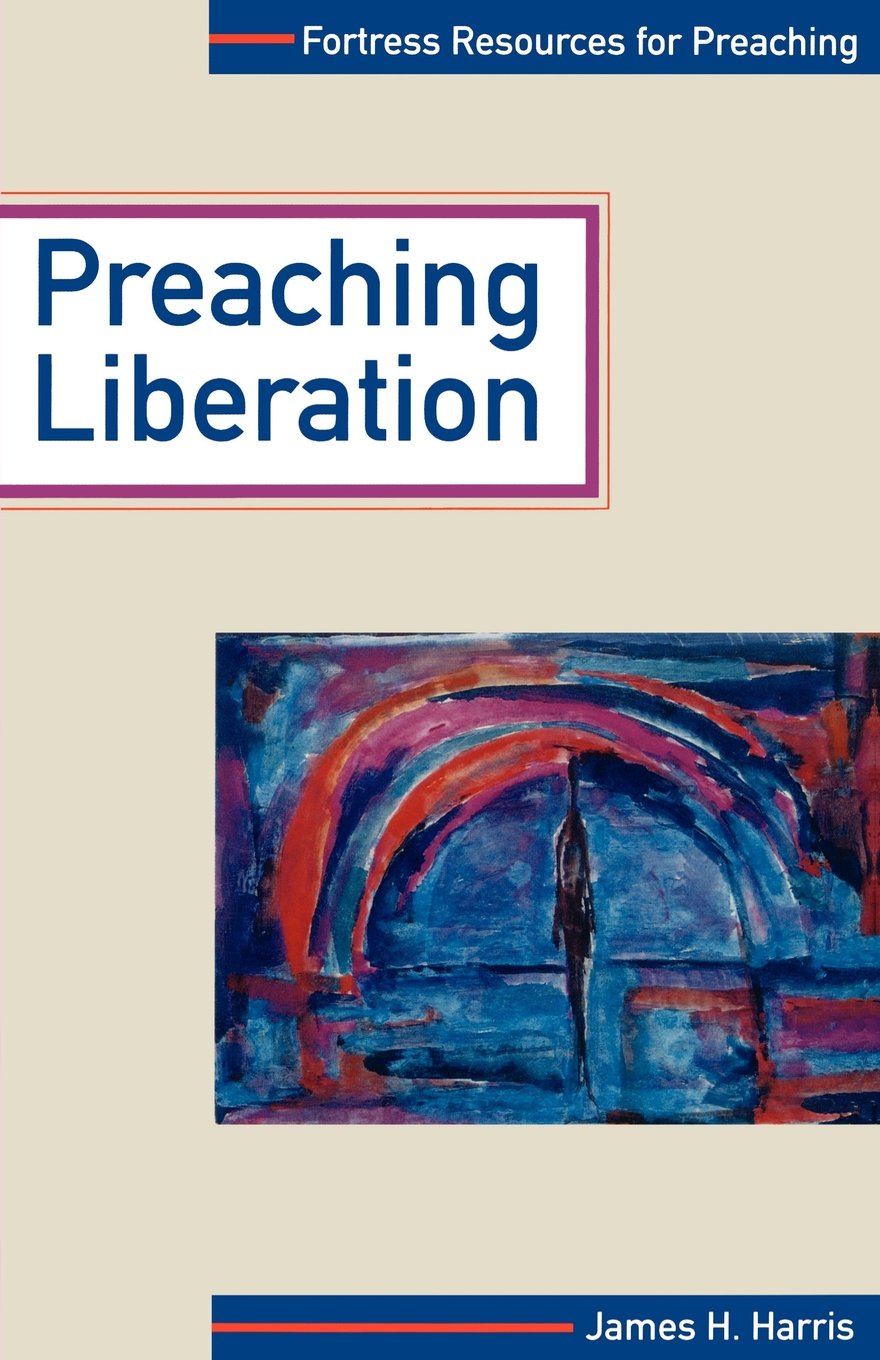
INFLUENTIAL religious leader and organiser of the historic 21 August 1831enslaved Africans’ insurrectionin Virginia, United States, an uprising church historian James H Harris has described as the “turning point” in the African American freedom movement (James Harris, Preaching Liberation [Minneapolis: Augsbury Fortress Publishers, 1995], p. 46)
(The New York Contemporary Five plays John Tchicai’s composition, “Trio” – [personnel: Archie Shepp, tenor saxophone; Don Cherry, pocket trumpet; Tchicai, alto saxophone; Don Moore, bass; JC Moses, drums [recorded: live, Jazzhus Montmarte, Copenhagen, Denmark, 15 November 1963]
Ingenious alto (and tenor) saxophonist, composer, bandleader, one of the most outstandingly ethereal soloists in the repertoire
(The New York Contemporary Five plays Bill Dixon’s composition, “Trio” – [personnel: Archie Shepp, tenor saxophone; Don Cherry, pocket trumpet; Tchicai, alto saxophone; Don Moore, bass; JC Moses, drums [recorded: live, Jazzhus Montmarte, Copenhagen, Denmark, 15 November 1963][note particularly Tchicai’s ethereal solo - first - at this session])
(The New York Contemporary Five plays Bill Dixon’s composition, “Trio” [personnel: Archie Shepp, tenor saxophone; Don Cherry, pocket trumpet; Tchicai, alto saxophone; Don Moore, bass; JC Moses, drums; recorded: live, Jazzhus Montmarte, Copenhagen, Denmark, 15 November 1963][note particularly Tchicai’s ethereal solo - first - at this session])
The right to self-determination is for every people. It is inalienable and is guaranteed by the United Nations. No people, any peoples, is exempt from exercising this right. This is why the mantra that proclaims such gibberish or ahistoricism as “indivisibility”/“indissolubility”/“indestructibility” of a state, any state, is not really worth the time expended in its vocalisation nor the paper it is written on except, of course, it is an embedded code by a slaughtering-horde for the plot of the next pogrom or the reinforcement of the terror of an ongoing genocide as a Nigeria, for instance, objectifies. The state, including the one that calls itself Nigeria, is therefore transient; the peoples indeed endure.
(The New York Contemporary Five plays John Tchicai’s composition, “Trio” – [personnel: Archie Shepp, tenor saxophone; Don Cherry, pocket trumpet; Tchicai, alto saxophone; Don Moore, bass; JC Moses, drums [recorded: live, Jazzhus Montmarte, Copenhagen, Denmark, 15 November 1963])
(The New York Contemporary Five plays Bill Dixon’s composition, “Trio” – [personnel: Archie Shepp, tenor saxophone; Don Cherry, pocket trumpet; Tchicai, alto saxophone; Don Moore, bass; JC Moses, drums [recorded: live, Jazzhus Montmarte, Copenhagen, Denmark, 15 November 1963][note particularly Tchicai’s ethereal solo - first - at this session])
(1) 1878-1908: King Leopold II-led Belgian
monarchy/state-organised genocide of constituent peoples in the Congo basin of central Africa (2,442,240 sq km
landmass, 80 times the size of Belgium)
– 13 million African constituent peoples murdered (see, especially, multiple research by historian and linguist Isidore Ndaywel e Nziem)
(2) 1904-1907: German state-organised genocide of Herero
people in Namibia
– 65,000 out of 80,000 Herero murderedor 80 per cent of the total Herero
population wiped out
(3) 1904-1907: German state-organised genocide of Nama
people in Namibia
– 10,000 Nama were murderedor 50 per cent of the Nama population destroyed
(The New York Contemporary Five, “Mick” – personnel: Archie Shepp, tenor saxophone; Don Cherry, pocket trumpet; John Tchicai, alto saxophone;
Don Moore, bass; JC Moses, drums [recorded: live, Jazzhus Montmarte, Copenhagen, Denmark, 15 November 1963])
(4) 29 May 1966-12 January 1970 (phases I-III): Nigeria
state-organised genocide of Igbo people, foundational genocide of
post-(European)conquest Africa, supported, centrally, by Britain
(diplomatically, politically, militarily) – 3.1 million Igbo or one-quarter of this
nation’s population murdered, highest number of genocide fatality of any single constituent nation or people on the continent
(5) 13 January 1970-Present Day (phase-IV): Nigeria
state-organised genocide of Igbo people – tens of thousands of Igbo murdered
(6) 1994: Rwanda state-organised genocide of Tutsi
people – 800,000 Tutsi murdered
(7) Since mid-1990s: Democratic Republic of the Congo/contiguous states/proxy states-facilitated/organised genocide of African constituent peoples in the Democratic Republic of the Congo – 5 million constituent African peoples murdered
(8) 2003-2oo6: The Sudan state-organised genocide of
Darfuri people – 300,000 Darfuri murdered
(9) Since 2006: The Sudan state-organised genocide of
African constituent peoples in the south of the country (NubaMountains, South Kordofan, Blue Nile) – tens of thousands of African constituent
peoples murdered
Herbert Ekwe-Ekwe is specialist on the state and on genocide & wars in Africa in the post-1966 epoch – beginning with the Igbo genocide, 29 May 1966-present day, the foundational and most gruesome genocide of post-(European)conquest Africa. 3.1 million Igbo or 25 per cent of this nation’s population were murdered by Nigeria and its allies, principally Britain. Africa and the rest of the world largely stood by and watched as the perpetrators enacted this horror most ruthlessly. The world could have stopped this genocide; the world should have stopped this genocide. This genocide inaugurated Africa’s current age of pestilence. During the period, 12 million additional Africans have been murdered in further genocide in Rwanda (1994), Zaïre/DRCongo (variously, since the late 1990s) and Darfur – west of the Sudan – (since 2004) and in other wars in Africa. African peoples have, presently, no other choice but exit/dismantle the extant genocide-state (the bane of their existence & progress) & construct own nation-centred states that serve their interests. He is author of several books & papers on the subject and his new book is entitled The longest genocide – since 29 May 1966 (2019).


)