Rethinking Africa is a forward looking blog dedicated to the exchange of innovative thinking on issues affecting the advancement of African peoples wherever they are. We provide rigorous and insightful analyses on the issues affecting Africans and their vision of the world.
INGENIOUS alto (and tenor)saxophonist, composer, bandleader, one of the most outstandingly ethereal soloists in the repertoire
(The New York Contemporary Five plays Bill Dixon’s composition, “Trio” – [personnel: Archie Shepp, tenor saxophone; Don Cherry, pocket trumpet; Tchicai, alto saxophone; Don Moore, bass; JC Moses, drums [recorded: live, Jazzhus Montmarte, Copenhagen, Denmark, 15 November 1963][note particularly Tchicai’s ethereal solo - first - at this session])
Herbert Ekwe-Ekwe NOVELIST, university registrar, academic, Africa west region principal pre-university qualifying examination board (WAEC) administrator, one of the leading intellectuals in defence of the people during the Igbo genocide, phases I-III, 29 May 1966-12 January 1970, carried out by Britain and its Nigeria client state led by Hausa-Fulani/islamist jihadists during which 3.1 million Igbo or 25 per cent of Igbo population are murdered in this foundational genocide of post-(European)conquest Africa; Anglo-Nigeria launches phase-IV of the genocide on 13 January 1970 and this has continued unabated with tens of thousands of additional Igbo murdered; Igbo genocide is the longest, most gruesome, and most ruthless genocide in contemporary history
(The New York Contemporary Five, “Trio” [personnel:Archie Shepp, tenor saxophone;Cherry, pocket trumpet; John Tchicai, alto saxophone; Don Moore, bass;JC Moses, drums; recorded: live, Jazzhus Montmarte, Copenhagen, Denmark, 15 November 1963])
(The New York Contemporary Five plays Bill Dixon’s composition, “Trio” [personnel: Archie Shepp, tenor saxophone; Don Cherry, pocket trumpet; Tchicai, alto saxophone; Don Moore, bass; JC Moses, drums; recorded: live, Jazzhus Montmarte, Copenhagen, Denmark, 15 November 1963; note particularlyTchicai’s ethereal solo – first – here which
captures the historic saliency of the restoration-of-independence movement of
the Biafran and Catalan peoples])
(Born 2 October 1800, Southampton county, Virginia, US)
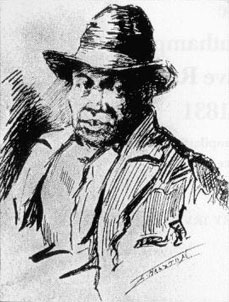
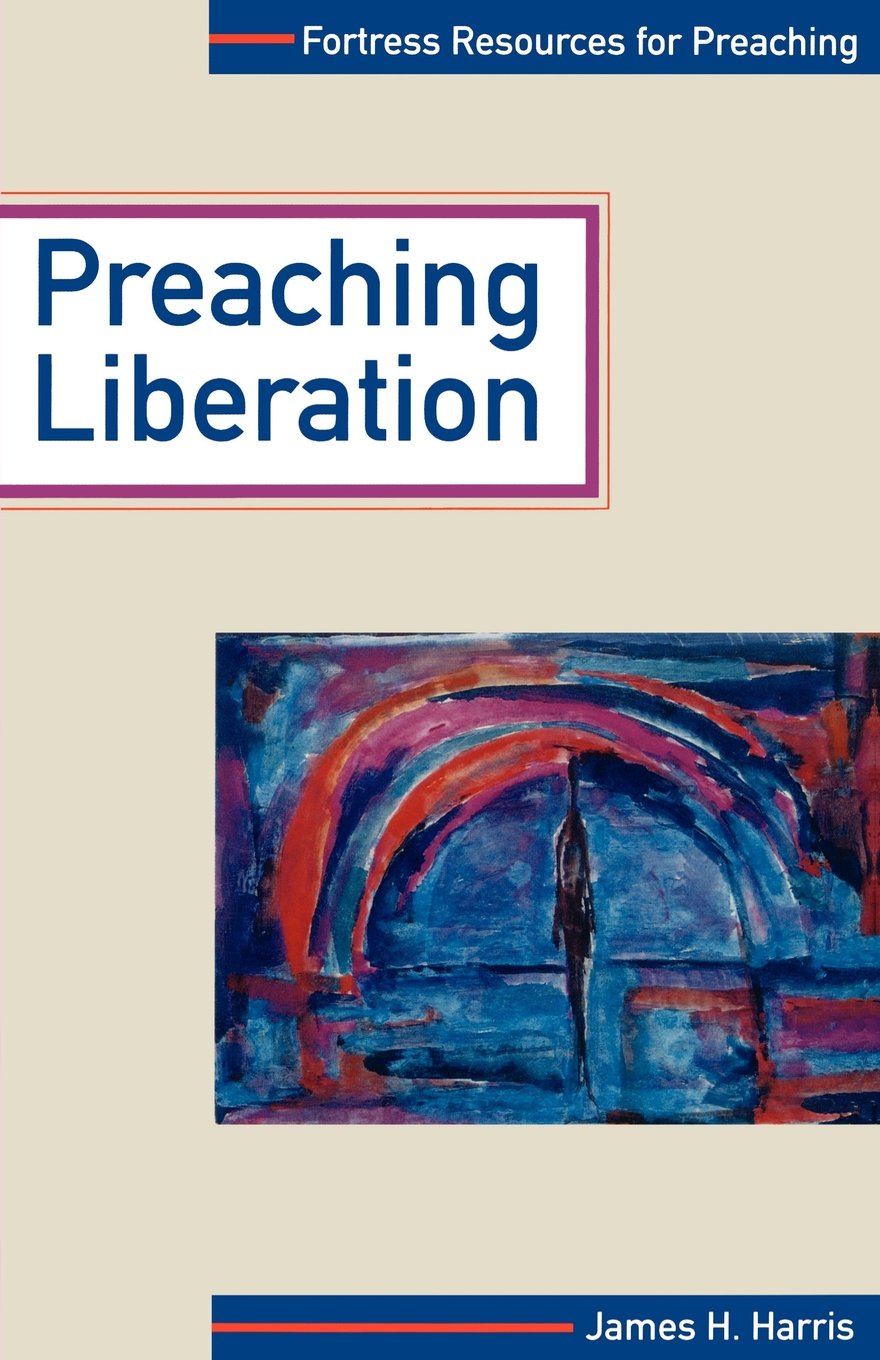
INFLUENTIAL religious leader and organiser of the historic 21 August 1831enslaved Africans’ insurrectionin Virginia, United States, an uprising church historian James H Harris has described as the “turning point” in the African American freedom movement (James Harris, Preaching Liberation [Minneapolis: Augsbury Fortress Publishers, 1995], p. 46)
(The New York Contemporary Five plays John Tchicai’s composition, “Trio” – [personnel: Archie Shepp, tenor saxophone; Don Cherry, pocket trumpet; Tchicai, alto saxophone; Don Moore, bass; JC Moses, drums [recorded: live, Jazzhus Montmarte, Copenhagen, Denmark, 15 November 1963]
Ingenious alto (and tenor) saxophonist, composer, bandleader, one of the most outstandingly ethereal soloists in the repertoire
(The New York Contemporary Five plays Bill Dixon’s composition, “Trio” – [personnel: Archie Shepp, tenor saxophone; Don Cherry, pocket trumpet; Tchicai, alto saxophone; Don Moore, bass; JC Moses, drums [recorded: live, Jazzhus Montmarte, Copenhagen, Denmark, 15 November 1963][note particularly Tchicai’s ethereal solo - first - at this session])
(The New York Contemporary Five plays Bill Dixon’s composition, “Trio” [personnel: Archie Shepp, tenor saxophone; Don Cherry, pocket trumpet; Tchicai, alto saxophone; Don Moore, bass; JC Moses, drums; recorded: live, Jazzhus Montmarte, Copenhagen, Denmark, 15 November 1963][note particularly Tchicai’s ethereal solo - first - at this session])
The right to self-determination is for every people. It is inalienable and is guaranteed by the United Nations. No people, any peoples, is exempt from exercising this right. This is why the mantra that proclaims such gibberish or ahistoricism as “indivisibility”/“indissolubility”/“indestructibility” of a state, any state, is not really worth the time expended in its vocalisation nor the paper it is written on except, of course, it is an embedded code by a slaughtering-horde for the plot of the next pogrom or the reinforcement of the terror of an ongoing genocide as a Nigeria, for instance, objectifies. The state, including the one that calls itself Nigeria, is therefore transient; the peoples indeed endure.
(The New York Contemporary Five plays John Tchicai’s composition, “Trio” – [personnel: Archie Shepp, tenor saxophone; Don Cherry, pocket trumpet; Tchicai, alto saxophone; Don Moore, bass; JC Moses, drums [recorded: live, Jazzhus Montmarte, Copenhagen, Denmark, 15 November 1963])
SUNDAY 29 May 1966 is undoubtedly the most tragic day in Igbo history. It is the launch date of the Igbo genocide carried out by Nigeria – the most gruesome, devastating and expansive genocide in 20th century Africa. Nigeria murdered 3.1 million Igbo, 25 per cent of this nation’s population, between 29 May 1966 and 12 January 1970 (phases I-III of the genocide). Open season, erase, “deny”, perverse The
Igbo genocide is the foundational genocide of post-(European)conquest Africa.
Not since Germany’s genocide against the Herero,
Nama and Berg Damara peoples of Namibia in the early 1900s had any African nation been subjected to
such indescribable barbarity and carnage as the Igbo during the course of those
44 gory months. The genocide continues in multiforms and features. Only recently, in the wake of the 28 March 2015 “poll” for “president” in Nigeria, some very influential and easily recognisable public figures in the country including Rilwan Akiolu, the king or oba of Lagos (west region) and even intellectuals (such is this open season of staggeringly virulent pronouncements of Igbo hate and worse...) including, especially, a United States-domiciled cardiologist, called publicly for the mass murder of the Igbo because the Igbo electorate had voted overwhelmingly against the APC “political party”. The Igbo genocide is thus the longest and most remorselessly-sustained genocide of the contemporary era. This genocide
inaugurated Africa’s current age of pestilence. YAKUBU GOWON headed the regime in Nigeria that
executed the genocide and Obafemi Awolowo, a lawyer, a senior advocate of the Nigerian bar, was his
deputy, effectively the prime minister, the genocidist “chief theorist” for the
campaign and head of the all-powerful finance ministry. Awolowo also
principally initiated and programmed phase-IV of the genocide (ongoing) aimed,
strategically, to dismantle/degrade the Igbo economy in perpetuity. The Igbo
economy, pre-genocide, was Africa’s most dynamic and resourceful.
Elsewhere, beginning in 1969, regime Awolowoists/Awolowoids were in the forefront in formulating and implementing Nigeria’s “post”-genocide decision to abolish the teaching of history in its schools as part of its “broad package” of measures to erase the history of the genocide from countrywide consciousness and thus “deny” its occurrence. Thirty years on, 1999, these same regime operatives played a key role in Nigeria’s perverse proclamation of 29th of May as the country’s (new) annual “democracy day”, a desperate, albeit belated effort to try to “neutralise” the historic import of 29 May 1966 for Igbo people if not “celebrate” the genocide itself as some of the leadinggenocidists of this wing of the Nigeria genocide-state such as Benjamin Adekunle, Oluwole Rotimi, Olusegun Obasanjo and Obafemi Awolowo, himself, have indeed demonstrated in their high-profile gloated commentaries and memoirs on the genocide during the slaughtering and subsequently.
29 MAY 1966 was the day that Igbo people were subjected to an overwhelming violence and unremitting brutality by supposedly fellow countrymen and women. This atrocity was clinically organised, supervised and implemented by the very state, the Nigeria state, which the Igbo had played a vanguard role to liberate from the British conquest and occupation from the 1930s to October 1960. Consequently, the genocide was perpetrated with full complicity of the British government led by Harold Wilson. This state, now violently taken over by murderous anti-African sociopolitical forces in 1966, had pointedly violated its most sacred tenet of responsibility to its Igbo citizens – provision of security. Instead of providing security to these citizens, the Nigeria state murdered 3.1 million of them or a quarter of their population.
Anthem
THE words in Hausa of the ghoulish anthem of the genocide, broadcast uninterruptedly on state-owned Kaduna radio and television throughout its duration and with editorial comments on the theme regularly published in both state-owned New Nigerian (daily) newspaper and weekly Gaskiya Ta fi Kwabo during the period, were unambiguously clear on the key objectives of this crime against humanity:
Mu je mu kashe nyamiri Mu kashe maza su da yan maza su Mu chi mata su da yan mata su Mu kwashe kaya su
(English translation: Let’s go kill the damned Igbo/Kill off their men and boys/Rape their wives and daughters/Cart off their property)
YET THIS 29th day of May 1966 is also the Igbo Day of Affirmation, Recovery and Freedom. The Igbo people resolved on this day, the day that marked the beginning of the genocide, to survive the catastrophe. This was the day the Igbo ceased to be Nigerian forever – right there on the grounds of those death camps in the sabon gari residential districts (north Nigeria) and offices and churches and schools and colleges and shops and markets and hospitals and rail stations and trains and coach stations and coaches and trucks and airports and planes and highways and village tracks and brooks and rivers and gorges and bridges and woods across Nigeria. They created the state of Biafra in its place and tasked it to provide security to the Igbo and prevent Nigeria, a genocide state, from accomplishing its dreadful mission. The heuristic symbolism defined hitherto by 1 October 1960 (date of the presumed restoration of independence for peoples in Nigeria from the British occupation) shattered in the wake of this historic Igbo declaration.
For the Igbo, the renouncement of Nigerian citizenship is the permanent Igbo indictment of a state that had risen thunderously to murder one of its constituent peoples. The Igbo could not have survived the genocide if they still remained Nigerian. They rightly chose the former course of their fate and not the latter which they decisively cast adrift. Consequently, Nigeria collapsed as a state with scarce prospects. Despite the four murderous years of comprehensive land, naval and aerial siege of Igboland by the genocidists, unprecedented blockade imposed on no other peoples anywhere else in recent African history, the Igbo demonstrated a far greater creative drive towards constructing an advanced civilisation in Biafra than what Nigeria has all but wished it could achieve in the past four decades. Nigeria gburu ochu; Nigeria mere alu. Surely, Nigeria couldn’t recover from committing this heinous crime, this crime against humanity. This is its epitaph.
Freedom
ASTONISHINGLY, though, the world wonders what the Igbo are still doing in Nigeria, the burden of a strangulating occupation notwithstanding. In the past 49 years, the Igbo have written an extraordinary essay on human survival and resilience. These attributes have now been laudably demonstrated and the Igbo must now move on – to another dynamic threshold of their being. O zu gozie. No one should ever feel that they are trapped in the Nigeria quagmire. The Igbo must now actively begin to reconstruct their gravely battered homeland, transform the lives of their 50 million people, and contribute their ingenuity to working on the wider, inventive canvass of the African renaissance. To embark on these pressing tasks, the Igbo should, today, walk away from the Nigeria genocide state, this state of terror. The Igbo should go now. Go, Go, Go.
29 May is a beacon of the resilient spirit of human overcoming of the most desperate, unimaginably brutish forces. It is the new Igbo National Holiday.It is a day of meditation and remembrance in every Igbo household in Igboland and in the diaspora in Nigeria and the rest of the world for the 3.1 million murdered, gratitude and thanksgiving for those who survived, and the collective Igbo rededication to achieve the expectant goal of the restoration of Igbo sovereignty. Now is the time. IGBO will never forget. Happy Survival! Land of the Rising Sun.
(The
New York Contemporary Five plays Bill Dixson’s
composition, “Trio” – [personnel: Archie
Shepp, tenor saxophone; Don
Cherry, pocket trumpet; Tchicai, alto saxophone; Don
Moore, bass; JC
Moses, drums [recorded: live, Jazzhus Montmarte, Copenhagen, Denmark, 15
November 1963])
(The New York Contemporary Five plays Bill Dixon’s composition, “Trio” – [personnel: Archie Shepp, tenor saxophone; Don Cherry, pocket trumpet; Tchicai, alto saxophone; Don Moore, bass; JC Moses, drums [recorded: live, Jazzhus Montmarte, Copenhagen, Denmark, 15 November 1963][note particularly Tchicai’s ethereal solo - first - at this session])
Herbert Ekwe-Ekwe is specialist on the state and on genocide & wars in Africa in the post-1966 epoch – beginning with the Igbo genocide, 29 May 1966-present day, the foundational and most gruesome genocide of post-(European)conquest Africa. 3.1 million Igbo or 25 per cent of this nation’s population were murdered by Nigeria and its allies, principally Britain. Africa and the rest of the world largely stood by and watched as the perpetrators enacted this horror most ruthlessly. The world could have stopped this genocide; the world should have stopped this genocide. This genocide inaugurated Africa’s current age of pestilence. During the period, 12 million additional Africans have been murdered in further genocide in Rwanda (1994), Zaïre/DRCongo (variously, since the late 1990s) and Darfur – west of the Sudan – (since 2004) and in other wars in Africa. African peoples have, presently, no other choice but exit/dismantle the extant genocide-state (the bane of their existence & progress) & construct own nation-centred states that serve their interests. He is author of several books & papers on the subject and his new book is entitled The longest genocide – since 29 May 1966 (2019).


)