Rethinking Africa is a forward looking blog dedicated to the exchange of innovative thinking on issues affecting the advancement of African peoples wherever they are. We provide rigorous and insightful analyses on the issues affecting Africans and their vision of the world.
(Born 20 July 1925, Fort-de-France, Martinique, Caribbean)
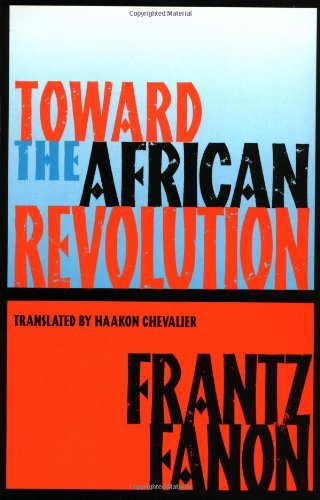
PSYCHIATRIST, student of poet, playwright and essayist Aimé Césaire, philosopher and one of the preeminent revolutionary theorists of the 20th century whose landmark publications are: The Wreathed of the Earth (1963), A Dying Colonialism (1965), Black Skin, White Masks (1967), Toward the African Revolution (1969)
(Jackie McLean Quintet, “Esoteric” [personnel: McLean, alto saxophone; Grachan Moncur III, trombone; Bobby Hutcherson, vipraphone; Larry Ridley, bass; Roy Haynes, drums; recorded: Van Gelder Studio, Englewood Cliffs, NJ, US, 20 September 1963])
TWO “youths” in the southwestcentral region of
Africa with such contrasting worldview
– for one, it is to threaten and
threaten to, and murder and murder and murder as their parents and grandparents have
done during the course of the Igbo genocide these past 51 years and the dreadful legacy of foreparents’ trail of murders and subjugations of
indigenous African populations across the northern stretches of the region
since they left their Futa Djallon homeland in Guinea-Conakry just
over 200 years ago to the day; the other “youth”, in the south of the
geography, is engaged in an assured quest for freedom that views life, African
life, as sacrosanct and is eager to employ its incredible talent to transform
the lives of its people, an outcome with epochal consequences for the region
and the rest of the African World.
(Jackie McLean Quintet, “Love and hate” [personnel: McLean, alto saxophone; Grachan Moncur III, trombone; Bobby Hutcherson, vipraphone; Larry Ridley, bass; Roy Haynes, drums; recorded: Van Gelder Studio, Englewood Cliffs, NJ, US, 20 September 1963])
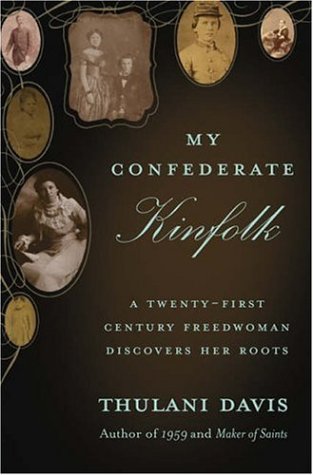
AWARD-WINNING playwright, novelist, journalist, poet, librettist, outstanding works include My Confederate Kinfolk (2006) on family history with immense national and wider resonance, The Souls of Black Folk (2003), a play on adaptation of WEB Du Bois’s classic of the same title, All the Renegade Ghosts Rise (poems: 1978), Playing the Changes (poems: 1985) and writes the libretti to two operas she collaborates with cousin and composer/pianist Anthony Davis: X (1986) on the life of Malcolm X and Amistad (1997) on the 1839 enslaved African maritime freedom uprising
(Tina Brooks Sextet, “Back to the tracks” [personnel: Brooks, tenor saxophone; Blue Mitchell, trumpet; Jackie McLean, alto saxophone; Kenny Drew, piano; Paul Chambers, bass; Art Taylor, drums; recorded: Van Gelder Studio, Englewood Cliffs, US, 1 September 1960])
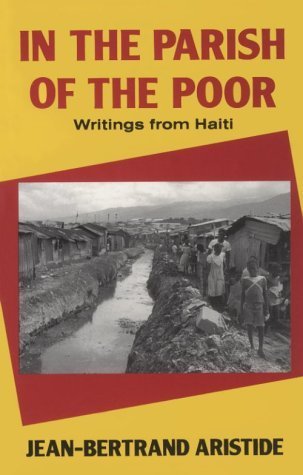
CATHOLIC priest of Salesian Order, liberation theologian and three times African peoples-centred president of Haiti (7 February 1991-29 September
1991, 12 October 1994-7 February 1996, 7 February 2001-29 February 2004) during which he carries out
expansive general population-focused reforms and provisions in health care, education and agriculture and
tackling/curbing/dismantling a range of murderous military/quasimilitary brigades employed by regimes
in the past to terrorise the people
(Sonny Rollins at the Village Gate, 1962, “Dance of the reed pipes” [personnel: Rollins, tenor saxophone; Don Cherry, pocket trumpet; Bob Cranshaw, bass; Billy Higgins, drums; recorded: live, Village Gate, New York, US, 27-30 July 1962])
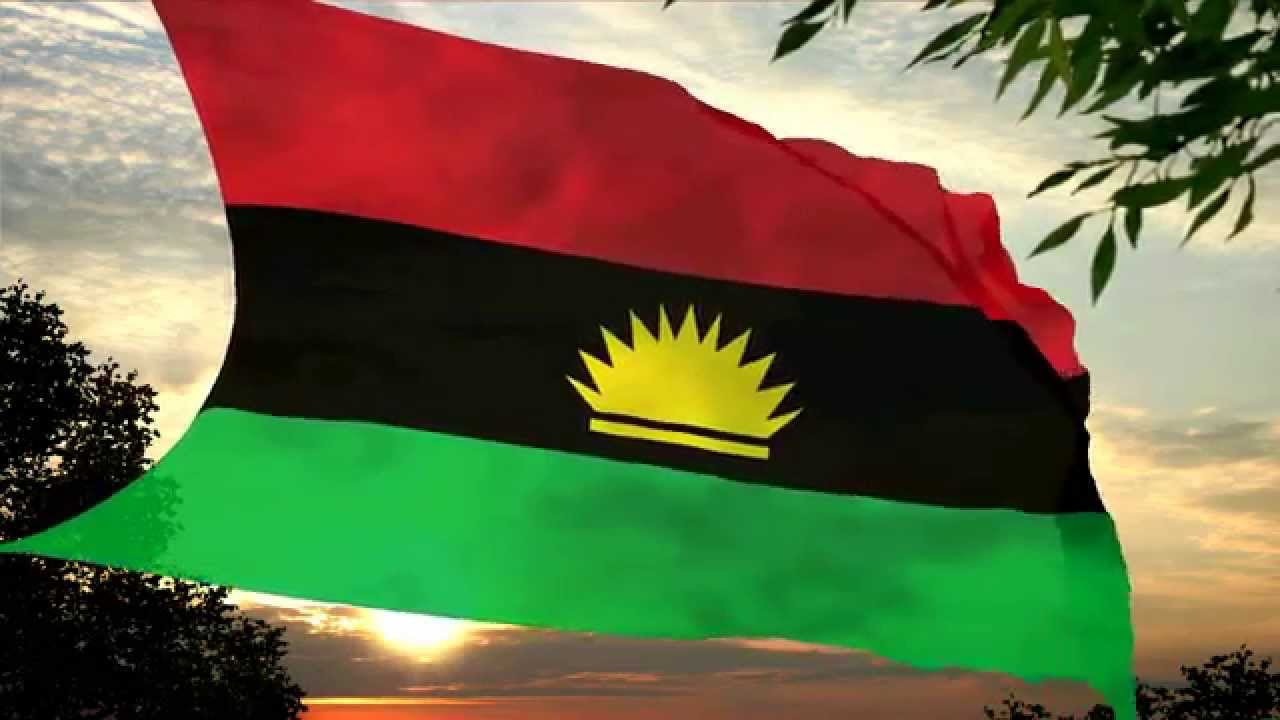
AS I OBSERVED recently (http://re-thinkingafrica.blogspot.co.uk/2017/06/herbert-ekwe-ekwe-biafra-freedom.html), the
preemptive return of the Biafra freedom movement (to Biafra) has not only confronted
and overridden the “conventional wisdom” that underscores the key trajectory of
comparable liberation projects, the movement’s return is indeed its
historic stamp of the imprimatur of the Biafra restoration-of-independence in
Biafra for the first time since 13 January 1970 – genocidist Nigeria’s launch
date of phase-IV of the Igbo genocide and the accompanying occupation of
Biafra. Appropriately to confront the
pressing emergency of the times, the movement has at once planned a referendum
throughout Biafra to democratically reestablish five decades of the loss of sovereign
rights of the people and withdrawn from participating in any future “elections”
organised in Biafra by the occupation. The latter exercises have in the past
been distinctively fraudulent and immensely contradictory as the feudal
Hausa-Fulani/islamist-led genocidist and occupying regime with no democratic
heritage in its culture or history, not to mention genocidist Nigeria itself
which has had no credible election throughout its history, would bizarrely posit
to organise elections in (occupied) Igboland that has enjoyed an advanced
republican democratic tradition for over a thousand years. For the occupation,
regimes in the Biafra administrative regions (Abia, Anambra, Delta, Enuugwu,
Rivers, etc., etc) that emerge from these “elections” exist solely to
contribute to police the occupation.
Nothing more. The operationalisation of this envisaged role was demonstrated
most tragically, just recently, when not one head of regime in any of these
administrative regions condemned the slaughter of their very own citizens by
the genocidist military/Fulani militia in the already mentioned pogroms across
Biafra since October 2015 in which a total of 2000 Igbo were murdered.
In July 2010, a high profile grouping
of Igbo human rights intellectuals met in a conference in Enuugwu to discuss
the state of this occupation of Biafra which the Biafra freedom movement,
seven years later, must now terminate. In its concluding communiqué, the conference captures most profoundly what it aptly
categorises as the “siege and occupation” of Igboland (http://re-thinkingafrica.blogspot.co.uk/2010/07/nigeria-perpetuates-violence-and.html):
[Igboland] has become militarized with a vast deployment of expeditionary and predatory police and army personnel who are from outside the region. For instance, there are 61 Police check-points between Abakal[e]k[e] … to Nsukka … (a distance of about 130km). In [contrast] between Obolo-Afo [Igboland] and Lokoja [Nigeria] (a distance of nearly 400 km) no checkpoints exist. This state of siege is exemplified by the current [situation] of … [Igbo] cities [including] Aba, [Enuugwu, Abakaleke, Onicha, Owere] and Nnewi – hitherto the fastest growing and thriving industrial cum commercial cities in the African continent now being turned into refuse dumps and ghettos. Businesses that would have provided jobs to engage our youths have been strangulated by incompetent and criminal leadership.
THERE CAN BE no other solution to this longest genocide of the
contemporary era but the freedom of the Igbo people from Nigerian subjugation
and occupation. The return of the Biafra freedom movement, shattering all known
“conventions”, is the most strategic development in 47 years of the course of this
journey. Freedom is inalienable. One does not ask for it; one takes it! The 50
million Igbo know they have to take their freedom as they head to the
referendum to pronounce this liberatory choice as the world awaits so eagerly.
(George Russell Sextet, “Honesty” [personnel: Russell. Piano; Don Ellis, trumpet; Dave Baker, trombone; Eric Dolphy, alto saxophone; Steve Swallow, bass; Joe Hunt, drums; recorded: Riverside Records, New York, US, 8 May 1961])
Herbert Ekwe-Ekwe is specialist on the state and on genocide & wars in Africa in the post-1966 epoch – beginning with the Igbo genocide, 29 May 1966-present day, the foundational and most gruesome genocide of post-(European)conquest Africa. 3.1 million Igbo or 25 per cent of this nation’s population were murdered by Nigeria and its allies, principally Britain. Africa and the rest of the world largely stood by and watched as the perpetrators enacted this horror most ruthlessly. The world could have stopped this genocide; the world should have stopped this genocide. This genocide inaugurated Africa’s current age of pestilence. During the period, 12 million additional Africans have been murdered in further genocide in Rwanda (1994), Zaïre/DRCongo (variously, since the late 1990s) and Darfur – west of the Sudan – (since 2004) and in other wars in Africa. African peoples have, presently, no other choice but exit/dismantle the extant genocide-state (the bane of their existence & progress) & construct own nation-centred states that serve their interests. He is author of several books & papers on the subject and his new book is entitled The longest genocide – since 29 May 1966 (2019).