Rethinking Africa is a forward looking blog dedicated to the exchange of innovative thinking on issues affecting the advancement of African peoples wherever they are. We provide rigorous and insightful analyses on the issues affecting Africans and their vision of the world.
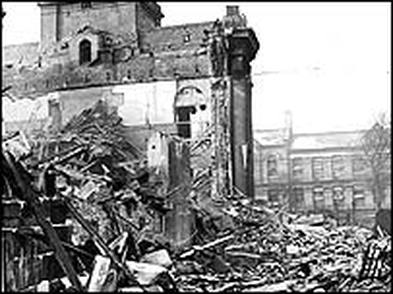
(...part of the 16th Street Baptist Church Birmingham after the bombing...)
IN THIS terrorist attack on 15 September 1963, described by Martin Luther Kingas “one of the most vicious and tragic crimes ever perpetrated against humanity”, four girls are murdered and 22 other congregants sustain varying levels of injury
(John Coltrane Quartet, “Alabama” [personnel: Coltrane, tenor saxophone; McCoy Tyner, piano; Jimmy Garrison, bass; Elvin Jones, drums; recorded: live, Jazz Casual Productions {host: Ralph Gleason}, 7 December 1963])
TO UNDERSTAND the politics of the Igbo genocide, 29 May 1966-14
September 2017, and the politics of the staggeringly failed efforts
particularly in certain sectors in academia and media to confront the crass
barbarism of this genocide and consequences is to have an invaluable insight
into the salient features and constitutive indices of politics across Africa in
the past 51 years. (Herbert Ekwe-Ekwe)
(John Coltrane Quintet, “To be” [personnel: John Coltrane, flute; Pharaoh Sanders, flute, piccolo, tambourine; Alice Coltrane, piano; Jimmy Garrison, bass; Rashied Ali, drums; recorded: Van Gelder Studio, Englewood Cliffs, NJ, US, 15 February 1967])
AS THE heads of administrative regions of occupied
Biafra and the rest of the world are fully aware, the fiendish genocidist
Nigeria occupation military in Biafra has laid siege on Nnamdi Kanu’s
home in Afaraukwu-Ibeku, east Biafra, since Sunday 10 September 2017. During
the course of this crass barbarism, several Biafrans have been murdered and
wounded by the genocidists.
Nnamdi Kanu is the leader of the Indigenous People
of Biafra, the most peaceful freedom movement of its kind in Africa presently and
one of the very few across the South World. The 50 million Biafrans peacefully
campaign for the restoration of their independence. This right to freedom is
inalienable and it is for all peoples; neither history nor geography limits this right. Genocidist
Nigeria, led by Hausa-Fulani/islamists, and its co-genocidist suzerain state Britain murdered 3.1 million Igbo or 25 per cent of this nation’s population during
phases I-III of the genocide, 29 May 1966-12 January 1970, and tens of
thousands of additional Igbo since its launch of phase-IV of the genocide, 13
January 1970-Present Day, which coincides with the direct occupation of Biafra.
Biafrans will free themselves despite the catastrophe of genocide and occupation.
MOST SHOCKINGLY, there has been a deafening silence
from the six heads of regions of occupied Biafra over the sheer savagery waged
on their citizens, their very own people,
by genocidist Nigeria. Why? Why? Why?
These heads of regions must condemn at once the
ongoing attacks on their people and demand the total withdrawal of all Nigeria genocidist
forces and adjuncts (including especially Fulani militia) from Biafra. Alternatively, they should resign for failure/inability
to protect the citizens within their administrative briefs. Silence is
definitely not an option. On the contrary, silence, as a response to this
outrage, amounts to complicity.
Genocide is a crime against humanity. Consequently, there is no statute of limitations in international law for the apprehension, prosecution and punishment of all those involved/assisting in the execution of this crime.
(Alice Coltrane Quartet, “Lord, help me to
be”[personnel: Coltrane, piano; Pharoah
Sanders, tenor saxophone; Jimmy Garrison, bass; Ben Riley,
drums; recorded: Coltrane home studio, Dix Hills, New York, US, 29 January 1968])
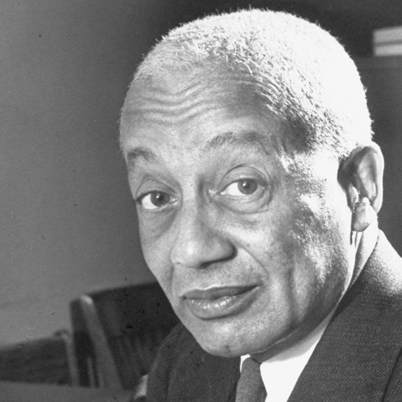
DISTINGUISHED philosopher and prolific multidisciplinary scholar aptly described by Martin Luther King as one of the preeminent philosophers that “came through the universe”, dean of the 1920s-1930s Harlem Renaissance
(Ornette Coleman Quartet, “WRU” {or Wit and its Relation to the Unconscious – Sigmund Freud} [personnel:Coleman, alto saxophone;Don Cherry, pocket trumpet;Scott LaFaro, bass;Ed Blackwell, drums; recorded: Atlantic Studios, New York, US, 31 January 1961])
(Ornette Coleman Quartet, “C & D” {or Civilization and its Discontents – Sigmund Freud}[personnel and recording details: as in above])
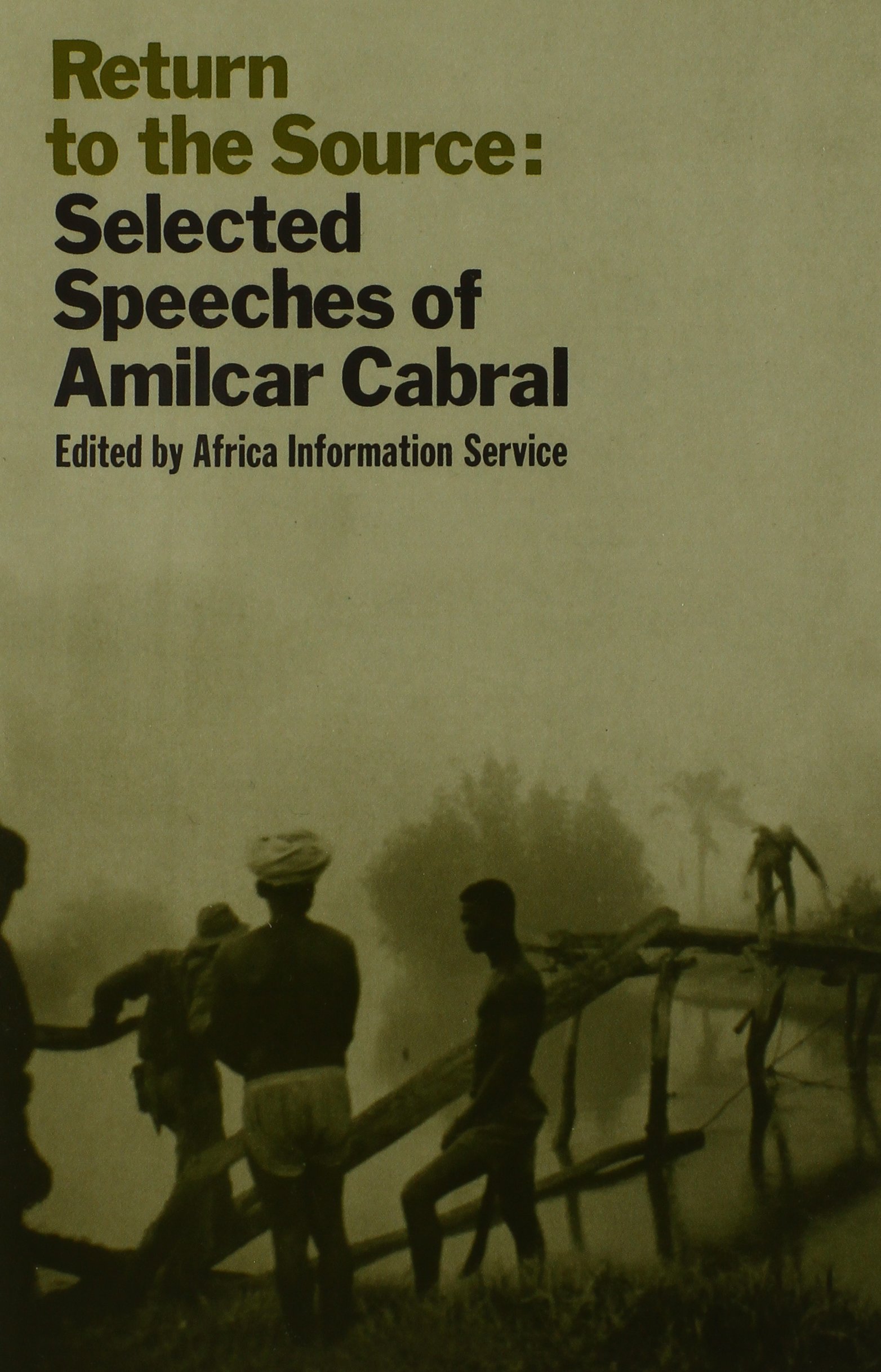
Agricultural engineer,outstanding theorist and philosopher of the national liberation resistance (see, particularly, Amilcar Cabral, Revolution in Guinea, 1970 and Cabral,Return to the Source, 1973) and founder of Partido Africano da Independência da Guiné e CaboVerde, African Party for the Independence of Guinea and Cape Verde, that frees Guinea-Bissau and Cape Verde in 1974 from 500 years of the Portuguese conquest, occupation and immiseration
(Lee Morgan Sextet, “Search for
the new land” [personnel: Morgan, trumpet; Wayne Shorter, tenor saxophone; Herbie
Hancock, piano; Grant Green, guitar; Reggie Workman,
bass; Billy Higgins, drums; recorded:
Van Gelder Studio, Englewood Cliffs, NJ, US, 15 February 1964])
(Born 9 September 1927, Pontiac, Michigan, United States)
RENOWNED drummer and member of the classic John Coltrane Quartet, 1960-1965 (Coltrane, tenor and soprano saxophones; McCoy Tyner, piano; Jimmy Garrison, bass; Jones, drums), who provides the polyrhythmic anchor for the ensemble’s restless stretch of creativity, and whose duet passages with Coltrane in many a performance of compositions, during the period, are opportunities for profound commentaries and analyses on pertinent subjects of both US domestic and international affairs
(John Coltrane Quartet, “One down, One up”: in this composition which has Coltrane’s longest solo recorded [26 minutes], pianist Tyner and bassist Garrison create the space at approximately 13.13 minutes into the saxophonist’s solo for 13 minutes of one of the most breathtaking of duets – between Coltrane and Jones [personnel: Coltrane, tenor saxophone; Tyner, piano; Garrison, bass; Jones, drums; recorded: live, The Half Note, New York, US, 28 March 1965])
Herbert Ekwe-Ekwe is specialist on the state and on genocide & wars in Africa in the post-1966 epoch – beginning with the Igbo genocide, 29 May 1966-present day, the foundational and most gruesome genocide of post-(European)conquest Africa. 3.1 million Igbo or 25 per cent of this nation’s population were murdered by Nigeria and its allies, principally Britain. Africa and the rest of the world largely stood by and watched as the perpetrators enacted this horror most ruthlessly. The world could have stopped this genocide; the world should have stopped this genocide. This genocide inaugurated Africa’s current age of pestilence. During the period, 12 million additional Africans have been murdered in further genocide in Rwanda (1994), Zaïre/DRCongo (variously, since the late 1990s) and Darfur – west of the Sudan – (since 2004) and in other wars in Africa. African peoples have, presently, no other choice but exit/dismantle the extant genocide-state (the bane of their existence & progress) & construct own nation-centred states that serve their interests. He is author of several books & papers on the subject and his new book is entitled The longest genocide – since 29 May 1966 (2019).