Rethinking Africa is a forward looking blog dedicated to the exchange of innovative thinking on issues affecting the advancement of African peoples wherever they are. We provide rigorous and insightful analyses on the issues affecting Africans and their vision of the world.
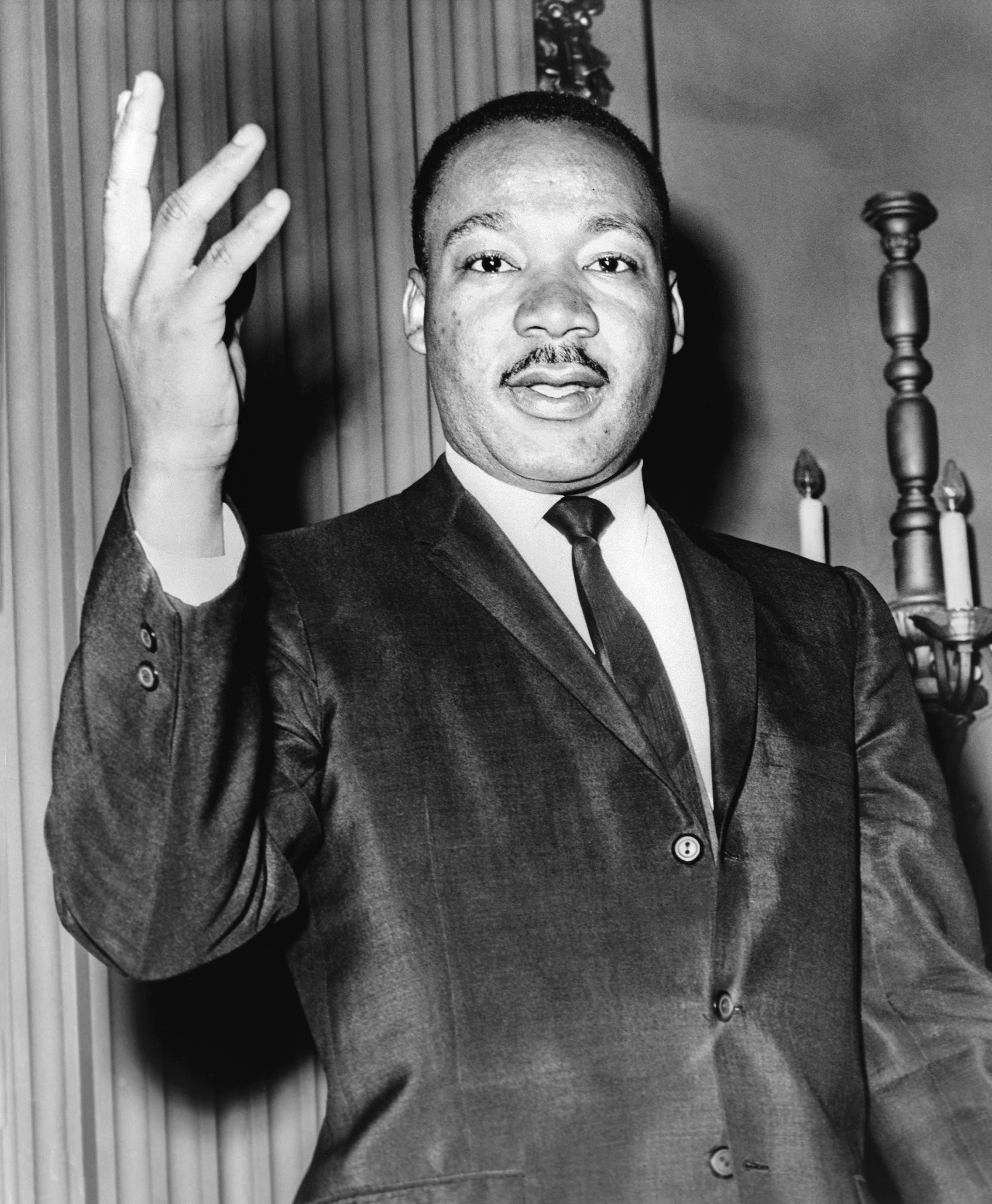
One of the most outstanding leaders of the freedom movement in history
(Sonny Rollins Trio, “The freedom suite” [personnel: Rollins, tenor saxophone; Oscar Pettiford, bass; Max Roach, drums; recorded: Riverside Records, New York, US, 7 March 1958])
One of the most outstanding leaders of the freedom movement in history
(Sonny Rollins Trio, “The freedom suite” [personnel: Rollins, tenor saxophone; Oscar Pettiford, bass; Max Roach, drums; recorded: Riverside Records, New York, US, 7 March 1958])
(Born 19 December 1875, New Canton, Va, United States)
Historian, journalist, versatile educator and inaugurator of the “African World History Month”, now a very important fixture in the annual calendar in several regions of the African World, outside Africa, and who, whilst researching the nature of the education of African Americans in the 1930s, concludes on the following consequences on someone, anyone, being controlled and defined by an agency outside their own centre of being, an observation as salient as ever, 80 years on (Woodson, 2010: 48):
If you can control a [person’s] thinking, you don’t have to worry about [their] action. If you can determine what a [person] thinks you do not have to worry about what [they] will do. If you can make a [person] believe that [they are] inferior, you don’t have to compel [them] to seek an inferior status [for they] will do so without being told and if you can make a [person] believe that [they are] justly an outcast, you don’t have to order [them] to the back door. [They] will go to the back door on [their] own and if there is no back door, the very nature of the [person] will demand that you build one [for them]. (added emphasis)
(Charles Mingus Sextet – with Eric Dolphy, Cornell University
1964, “Meditations” [personnel: Mingus, bass; Johnny Coles, trumpet; Dolphy, flute, bass clarinet; Clifford Jordan, tenor
saxophone; Jaki Byard, piano; Dannie Richmond, drums;
recorded: live, Cornell University, 18 March 1964])
Herbert Ekwe-Ekwe is specialist on the state and on genocide & wars in Africa in the post-1966 epoch – beginning with the Igbo genocide, 29 May 1966-present day, the foundational and most gruesome genocide of post-(European)conquest Africa. 3.1 million Igbo or 25 per cent of this nation’s population were murdered by Nigeria and its allies, principally Britain. Africa and the rest of the world largely stood by and watched as the perpetrators enacted this horror most ruthlessly. The world could have stopped this genocide; the world should have stopped this genocide. This genocide inaugurated Africa’s current age of pestilence. During the period, 12 million additional Africans have been murdered in further genocide in Rwanda (1994), Zaïre/DRCongo (variously, since the late 1990s) and Darfur – west of the Sudan – (since 2004) and in other wars in Africa. African peoples have, presently, no other choice but exit/dismantle the extant genocide-state (the bane of their existence & progress) & construct own nation-centred states that serve their interests. He is author of several books & papers on the subject and his new book is entitled The longest genocide – since 29 May 1966 (2019).