Rethinking Africa is a forward looking blog dedicated to the exchange of innovative thinking on issues affecting the advancement of African peoples wherever they are. We provide rigorous and insightful analyses on the issues affecting Africans and their vision of the world.
(JamesBaldwin and Chinua Achebe: … African Atlantic discourses, University of Florida, Gainesville, 9 April 1980…)
Herbert Ekwe-Ekwe
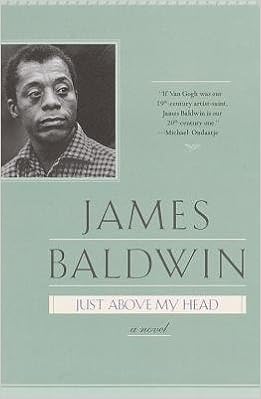
THURSDAY 2 August 2018 is the 94th
birthday of James Baldwin – novelist,
essayist, commentator, dramatist, arguably African America’s leading writer and
intellectual during its age of freedom affirmation, 1950s-1990s. As
part of this week’s commemoration of the birthday, re-thinkingafrica here
reissues that Baldwin’s historic conversation with Chinua Achebe, Father of African Literature (University of
Florida, Gainesville, 9 April 1980), originally published by brainpickings. ...Reflections on history, art, politics, brainpickings, 22 September 2014,
Novelist, essayist, commentator, dramatist, arguably African America’s leading writer and intellectual during its age of freedom affirmation, 1950s-1990s
(The iconoclastic Baldwin in conversation with the Father of African Literature: … African Atlantic discourses, Gainesville, Florida, US, 9 April 1980…)
...Reflections on history, art, politics, brainpickings, 22 September 2014,
Undoubtedly, 2016 begins on a more optimistic note for
Africa. 2016 will be a year of intense multifaceted peoples’ activities across
Africa to terminate the continent’s genocide-state – particularly Nigeria’s,
its ghastly prototype. The year marks the 50th anniversary of the beginning of
the Igbo genocide when Nigeria and its British principal ally slaughtered 3.1
million Igbo people or one-quarter of this nation’s population.
Britain supported the genocide politically,
diplomatically, and militarily because it was riled by the Igbo vanguard role to
terminate 60 years of its conquest and occupation of Nigeria during the course
of thirty years of the restoration-of-independence movement, 1930s-October
1960. Such was the gripping zealousness to “punish” the Igbo for this historic role
that Harold Wilson, the British prime minister directing the genocide from
London, was staggeringly unfazed to go on record that he, Harold Wilson, “would accept a half
million dead Biafrans if that was what it took” Nigeria to destroy the Igbo
resistance to the genocide (Roger Morris, Uncertain
Greatness: Henry Kissinger and American Foreign Policy, 1977: 122).
The Nigerian subalterns on the ground, indolent, toady and vindictively anti-African operatives, handsomely obliged their “massa”, slaughtering
far beyond the grim target of 500,000 Igbo by 12 January 1970. Nowhere else in Africa nor indeed the South World, during the
1950s-1970s, does any of the seemingly departing European occupying-power in a conquered
country effectuate the crime of genocide of a constituent people as a means of
safeguarding its strategic interests subsequently as Britain’s sordid record in
Nigeria shows. The genocide continues unabated since January 1970 with tens of thousands of Igbo murdered across Nigeria but especially in the
north region including those massacred by the Boko Haram terrorists in the past
five years.No other peoples in
Africa have suffered such an extensive and gruesome genocide and incalculable
impoverishment in a century as the Igbo.
The
Igbo genocide is the foundational genocide of post-(European)conquest Africa.
It inaugurated Africa’s current age of pestilence. Africans elsewhere remained
largely silent on the gruesome events in Nigeria but did not foresee the grave consequences
of such indifference. Just as the Nigerian operatives of mass murder
appeared to have got away without censure from the rest of Africa and the world,
other brutal African regimes soon followed in Nigeria’s footpath murdering
those in their countries considered “opponents” or “undesirables”. The haunting
killing fields would subsequently stretch from Biafra to further genocide in Rwanda (1994), Zaïre/Democratic Republic of the
Congo (variously, since the late 1990s) and Darfur/Nuba Mountains/South
Kordofan (all in Sudan since 2003) and in other wars in Liberia, Sierra Leone, Guinea-Bissau, southern Guinea, Ethiopia,
Somalia, Uganda, Congo-Brazzaville, Burundi and north/northcentral Nigeria. The
12 million murdered in the latter bloodbaths would probably have been saved if
Africans had intervened, robustly, to stop the initial genocide against the
Igbo people.
African-centred
states
Fifty
years and 15 million murders on, Africans finally realise that there cannot be
any meaningful advancement without the dismantling of the genocide-state. This
state is the bane of African existence and progress but a treasure for its
pan-European World creator in perpetuity. Africans on the ground are working
tirelessly for the emergence of extensively decentralised African-created new
states that halt the genocide and ensure full democratic participation and
representation of all constituent peoples. Already, 50 years
since the first murders of the genocide were committed in north Nigeria on 29
May 1966, the Biafrans have written an extraordinary essay on human survival
and fortitude, a beacon of the tenacity of the spirit of human overcoming of
the most desperate, unimaginable brutish forces. Biafraisa realisation, a profound reclamation of that which makes usall human
and part of humanity.
It is
within this context that the current heightened political developments in Biafra
become intelligible. Since Friday 6 November 2015, hundreds of
thousands of peaceful and disciplined Biafrans have turned their cities and
towns and villages into panoramic freedom park marches, unprecedented in
Africa, demanding the restoration of the sovereignty of their beloved Biafra,
currently occupied by Nigeria, and insisting on the release of Nnamdi Kanu, Radio
Biafra freedom broadcaster and leader of the Indigenous People of Biafra,
illegally detained by the Nigeria regime. Biafrans are redefining the dynamics
of the march for freedom in Africa. Biafra will be free.
Referendum This march will be
intensified in 2016 and will have progressive, liberatory consequences across
Africa. The freedom movement should now embark
on organising a binding referendum in which all electorally eligible Biafrans
from its population of 50 million at home and in the diaspora in Nigeria and
elsewhere in the world vote on whether they want to belong to the Biafra state,
or Nigeria. Biafrans and all peoples of goodwill in the world will respect and accept the
outcome of this democratic enterprise.
Sam Rivers Quartet, “Ellipsis” [personnel: Rivers, tenor saxophone; Jaki Byard, piano; Ron Carter, bass; Tony Williams, drums; recorded: Van Gelder Studio, Englewood Cliffs, NJ, US, 11 December 1964])
Herbert Ekwe-Ekwe is specialist on the state and on genocide & wars in Africa in the post-1966 epoch – beginning with the Igbo genocide, 29 May 1966-present day, the foundational and most gruesome genocide of post-(European)conquest Africa. 3.1 million Igbo or 25 per cent of this nation’s population were murdered by Nigeria and its allies, principally Britain. Africa and the rest of the world largely stood by and watched as the perpetrators enacted this horror most ruthlessly. The world could have stopped this genocide; the world should have stopped this genocide. This genocide inaugurated Africa’s current age of pestilence. During the period, 12 million additional Africans have been murdered in further genocide in Rwanda (1994), Zaïre/DRCongo (variously, since the late 1990s) and Darfur – west of the Sudan – (since 2004) and in other wars in Africa. African peoples have, presently, no other choice but exit/dismantle the extant genocide-state (the bane of their existence & progress) & construct own nation-centred states that serve their interests. He is author of several books & papers on the subject and his new book is entitled The longest genocide – since 29 May 1966 (2019).