Rethinking Africa is a forward looking blog dedicated to the exchange of innovative thinking on issues affecting the advancement of African peoples wherever they are. We provide rigorous and insightful analyses on the issues affecting Africans and their vision of the world.
Showing posts with label “Pithecanthropus erectus”. Show all posts
Showing posts with label “Pithecanthropus erectus”. Show all posts
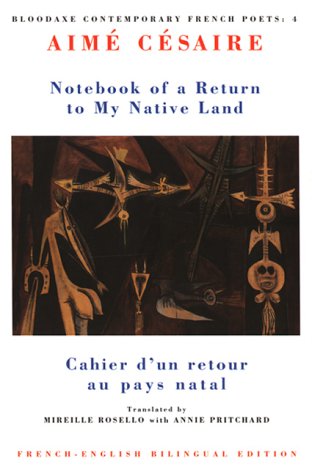
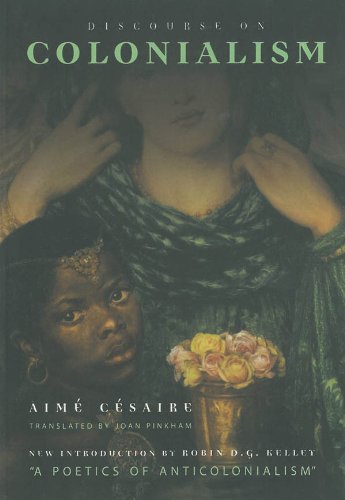
Herbert Ekwe-Ekwe Poet, playwright, essayist, cofounder (with Léopold Sédar Senghor and Léon-Gontram Damas) of the “negritude” movement in Paris in the 1930s-1940s, one of the preeminent intellectuals of African World affirmation in the wake of 500 years of pan-European enslavement of African peoples, conquest and occupation of Africa, author of classics Cahier d’un retour au pays natal (1939; English: Notebook of a Return to the Native Land, 1956) Discours sur le colonialisme(1950; English: Discourse on Colonialism, 1953), Toussaint Louverture: La Révolution française et le problème colonial (1960, study on the Haitian restoration-of-independence revolutionary), Une Saison au Congo (1966; English: A Season in the Congo, 1968 – play on life and times of Patrice Lumumba) and Une Tempête (1969, English: A Tempest, 1986 – a play, African peoples-centred rereading of Shakespeare’s The Tempest), teacher and major influence on Frantz Fanon, fellow Martinican and celebrated liberatory scholar and author of The Wretched of the Earth
(Charles Mingus Quintet, “Pithecanthropus erectus” [personnel: Mingus, bass; Jackie McLean, alto saxophone; JR Monterose, tenor saxophone; Mal Waldron, piano; Willie Jones, drums; recorded: Audio-Video Studios, New York, US, 30 January 1956])
Herbert Ekwe-Ekwe is specialist on the state and on genocide & wars in Africa in the post-1966 epoch – beginning with the Igbo genocide, 29 May 1966-present day, the foundational and most gruesome genocide of post-(European)conquest Africa. 3.1 million Igbo or 25 per cent of this nation’s population were murdered by Nigeria and its allies, principally Britain. Africa and the rest of the world largely stood by and watched as the perpetrators enacted this horror most ruthlessly. The world could have stopped this genocide; the world should have stopped this genocide. This genocide inaugurated Africa’s current age of pestilence. During the period, 12 million additional Africans have been murdered in further genocide in Rwanda (1994), Zaïre/DRCongo (variously, since the late 1990s) and Darfur – west of the Sudan – (since 2004) and in other wars in Africa. African peoples have, presently, no other choice but exit/dismantle the extant genocide-state (the bane of their existence & progress) & construct own nation-centred states that serve their interests. He is author of several books & papers on the subject and his new book is entitled The longest genocide – since 29 May 1966 (2019).