Rethinking Africa is a forward looking blog dedicated to the exchange of innovative thinking on issues affecting the advancement of African peoples wherever they are. We provide rigorous and insightful analyses on the issues affecting Africans and their vision of the world.
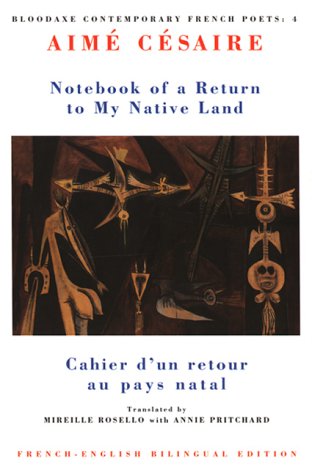
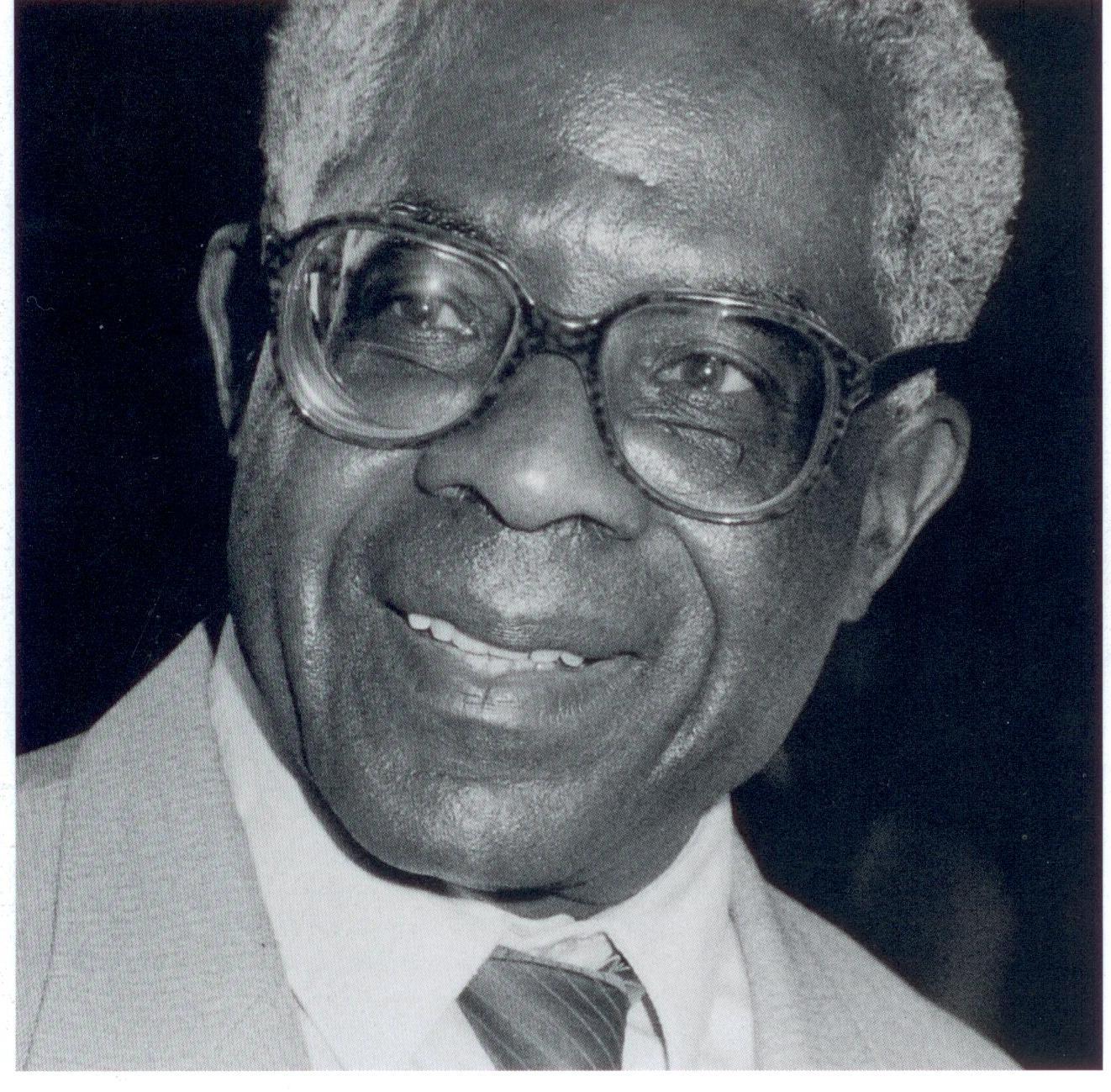
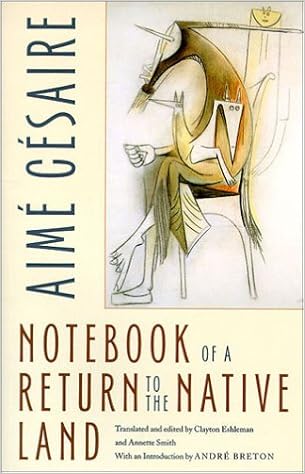
Herbert Ekwe-Ekwe POET, playwright, essayist, cofounder, with Léopold Sédar Senghor and Léon-Gontram Damas, of the “negritude” movement in Paris in the 1930s-1940s; of Igbo descent,***** one of the preeminent intellectuals of African World affirmation in the wake of 500 years of pan-European enslavement of African peoples, conquest and occupation of Africa; author of classics Cahier d’un retour au pays natal, 1939 (English: Notebook of a Return to the Native Land, 1956),
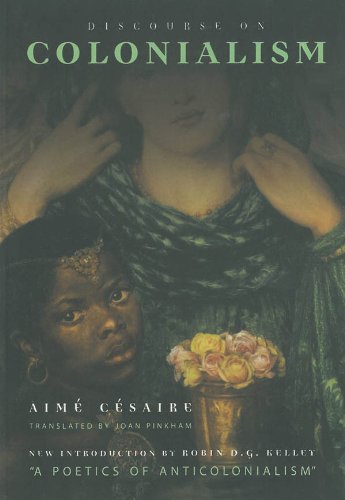
Discours sur le colonialisme, 1950 (English: Discourse on Colonialism, 1953), Toussaint Louverture: La Révolution française et le problème colonial, 1960 (study on Toussaint L’Ouverture, the Haitian restoration-of-independence revolutionary), Une Saison au Congo, 1966 (English: A Season in the Congo, 1968 – play on life and times of Patrice Lumumba, 1950s/early 1960s’ leader of the restoration-of-independence movement in the Congo, then occupied by Belgium where the king, Leopold II, and the Belgian state, had committed an expansive genocide against constituent African peoples therein between 1878 and 1908 murdering 13 million Africans) and Une Tempête, 1969 (English: A Tempest, 1986 – a play, African peoples-centred rereading of Shakespeare’s The Tempest); The Tragedy of King Christoph (2015) – a play on Henri Christoph, general in Toussaint’s Haitian restoration-of-independence army who later declares himself king in north Haiti and exercises an oppressive rule on the people; teacher of and major influence onFrantz Fanon, fellow Martinican and celebrated freedom scholar and author of The Wretched of the Earth. (*****Chukwuma Azuonye, “Igbo Names
in the Nominal Roll of Amelié, An Early 19th Century Slave Ship from Martinique:
Reconstructions, Interpretations and Inferences”, Africana
Studies Faculty Publication Series, Paper 8, 1990, p. 1. {Thanks to Chidi Osuagwu for kindly citing this reference in his communication with me, Wednesday 26 June 2019 [HE-E].})
(John Coltrane Septet, “Dahomey dance” [personnel: Coltrane, tenor saxophone, Freddie Hubbard, trumpet; Eric Dolphy, alto saxophone; McCoy Tyner, piano; Reggie Workman, bass; Art Davis, bass; Elvin Jones, drums; recorded: A&R Studios, New York, US, 25 May 1961])
Herbert Ekwe-Ekwe is the author of The longest genocide – since 29 May 1966 (2019) and co-author, with Lakeson Okwuonicha, of Why #DonaldTrump is #great for #Africa (2018)
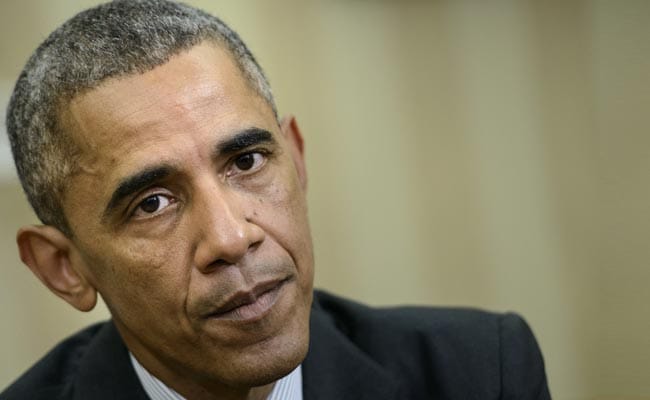
THE MAIN thrust of ex-US President
Barack Hussein Obama’s 16th Nelson Mandela Annual Lecture in Johannesburg, South Africa, earlier on in the week is its focus on “democracy”
in the world and ways and means to sustain it. Three excerpts from the lecture
are illustrative (Barack Obama, “The Nelson Mandela Lecture”, The New Yorker, New York, 18 July 2018): 1. “And, yes,
democracy
can be messy, and it can be slow, and it can be frustrating … For all its
imperfections, real democracy best upholds the idea that government exists to
serve the individual, and not the other way around. And it is the only form of
government that has the possibility of making that idea real.”
2. “So,
for those of us who are interested in strengthening democracy, it’s time for us
to stop paying all of our attention to the world’s capitals and the centers of
power, and to start focussing more on the grassroots, because that’s where
democratic legitimacy comes from. Not from the top down, not from abstract theories,
not just from experts, but from the bottom up. Knowing the lives of those who
are struggling.” 3. “We
have to stop pretending that countries that just hold an election where sometimes
the winner somehow magically gets ninety per cent of the vote, because all the
opposition is locked up or can’t get on TV, is a democracy. Democracy depends
on strong institutions, and it’s about minority rights and checks and balances,and freedom of speech and freedom of expression and a free press, and the right
to protest and petition thegovernment, and an independent judiciary, and everybody having to follow the law.” OBAMA alerts his audience on those individuals and social forces which he feels pose
or constitute sources of obstacles to the growth or strengthening of “democracy”
across the world. These include (a) the “autocrat”, (b) “strongman politics”, (c)
“right-wing billionaires” and (d) “populist movements”. AS I
read this speech, that profound rumination on history a decade ago by Aimé Césaire (poet and philosopher) weighed heavily on my
thoughts. Césaire had told interviewer Annick Thebia Melson in 2008 that “[h]istory
is always dangerous, the world of history is a risky world; but it is up to us
at any given moment to establish and readjust the hierarchy of dangers” (“The
liberating power of words: An interview with Poet Aimé Césaire”, The
Journal of Pan-African Studies, Vol. 2, No 4, June 2008, p. 7). It is
indeed in the very course to construct and “readjust” this “hierarchy of
dangers” by focussing solely on Africa here that I will respond to Obama’s
lecture.
(Aimé Césaire: “[h]istory is always dangerous...”)
ARGUABLY the most expressively
covered and discussed news item in the United States presently is on special
counsel Robert Mueller and
team’s work investigating alleged Russian interference in the 2016 US elections.
An investigation of this calibre is deemed vital by the Americans because any such
purported interference in this election, particularly from a foreign power,
would undoubtedly have had negative impact and consequences on the course of
democracy in the United States, very much in the overarching context sketched
above by Obama. Yet no such investigations are underway
to probe those hardly disguised meddling-in-elections/“elections”/referendum by
none other than the ex-President
Barack Obama US government itself
in the following seven countries between 2009 and 2016: Honduras, Macedonia, Britain, Egypt, Kenya, Israel, Nigeria.
Abhorrent legacy of support for Igbo genocide
and imposition and invasions of states in Africa or quintessential disarticulation
of grounds for democracy APART from Nigeria
where Obama, first African-descent elected president after 233 years of the
founding of the US republic, imposed Muhammadu Buhari, an
islamist/jihadist and one of the vilest Nigerian genocidist operatives
during these 52 years of the ongoing Igbo genocide, as head of Nigeria regime
in March 2015 (this imposition was carried out with then British prime minister
David Cameron whose country is a co-genocidist state in this crime), his
administration’s robust interferences in elections in the other six states in
the group, including the June 2016 British referendum on Brexit, were
spectacularly a failure.
BESIDES the Buhari-imposition
catastrophe during which the Buhari-led Nigeria military and its Boko Haram and
Fulani militia adjunct forces have murdered 3000 Igbo people in Biafra, Barack Obama
intervened elsewhere in African politics: 1. supported the 2010
French military invasion of Côte d’Ivoire , ordered by
President Nicolas Sarkozy (one of the most openly racist French political
leaders in the contemporary era who made his views on Africans explicit, on
record, in his notorious “The tragedy of Africa is that the African has
not fully entered into history”-speech at Dakar’s Cheikh Anta Diop
University in July 2007 [see “The unofficial English translation of Sarkozy’s
speech”, africaResource, 13 October
2007]), in which 2300 Africans were
ruthlessly murdered and the Laurent Gbagbo regime in Abidjan
overthrown and replaced by a personage more acceptable to French strategic and
economic interests in the country
2.was part of the 2011
US-Britain-France (Obama & Cameron & Sarkozy) tripartite military
invasion of Libya during which head of regime Muammar Gaddafi was murdered as well as
some members of his family in addition to some influential officials of his
regime, hundreds of other Libyans also murdered during the operations, and
several Libyan cities and infrastructure destroyed 3. supported French
military invasion of Central African Republic, ordered by President
François Hollande (2013) 4. supported French
military invasion of Mali, ordered by François
Hollande (2013)
QUESTION: Which of the four sources of
obstacles to “democracy” raised in Obama’s Johannesburg lecture and quoted
above (a, b, c, d) explains or identifies Barack Hussein Obama’s own vast range of operation in disrupting the cause and course of
democracy in Africa whilst in office as the 44th president of the United States?
Just one? A couple? More than a couple? None?
(Sonny Rollins Quartet, “Dance of the reed pipes” [personnel: Rollins, tenor saxophone; Don Cherry, pocket trumpet; Bob Cranshaw, bass; Billy Higgins, drums; recorded: live, Village Gate, New York, US, 27-30 July 1962])
Herbert Ekwe-Ekwe POET, playwright, essayist, cofounder, with Léopold Sédar Senghor and Léon-Gontram Damas, of the “negritude” movement in Paris in the 1930s-1940s; one of the preeminent intellectuals of African World affirmation in the wake of 500 years of pan-European enslavement of African peoples, conquest and occupation of Africa; author of classics Cahier d’un retour au pays natal, 1939 (English: Notebook of a Return to the Native Land, 1956),
Discours sur le colonialisme, 1950 (English: Discourse on Colonialism, 1953), Toussaint Louverture: La Révolution française et le problème colonial, 1960 (study on Toussaint L’Ouverture, the Haitian restoration-of-independence revolutionary), Une Saison au Congo, 1966 (English: A Season in the Congo, 1968 – play on life and times of Patrice Lumumba, 1950s/early 1960s’ leader of the restoration-of-independence movement in the Congo, then occupied by Belgium where the king, Leopold II, and the Belgian state, had committed an expansive genocide against constituent African peoples therein between 1878 and 1908 murdering 13 million Africans) and Une Tempête, 1969 (English: A Tempest, 1986 – a play, African peoples-centred rereading of Shakespeare’s The Tempest); The Tragedy of King Christoph (2015) – a play on Henri Christoph, general in Toussaint’s Haitian restoration-of-independence army who later declares himself king in north Haiti and exercises an oppressive rule on the people; teacher of and major influence onFrantz Fanon, fellow Martinican and celebrated freedom scholar and author of The Wretched of the Earth.
(John Coltrane Septet, “Dahomey dance” [personnel: Coltrane, tenor saxophone, Freddie Hubbard, trumpet; Eric Dolphy, alto saxophone; McCoy Tyner, piano; Reggie Workman, bass; Art Davis, bass; Elvin Jones, drums; recorded: A&R Studios, New York, US, 25 May 1961])
Herbert Ekwe-Ekwe Poet, playwright, essayist, cofounder (with Léopold Sédar Senghor and Léon-Gontram Damas) of the “negritude” movement in Paris in the 1930s-1940s, one of the preeminent intellectuals of African World affirmation in the wake of 500 years of pan-European enslavement of African peoples, conquest and occupation of Africa, author of classics Cahier d’un retour au pays natal (1939; English: Notebook of a Return to the Native Land, 1956) Discours sur le colonialisme(1950; English: Discourse on Colonialism, 1953), Toussaint Louverture: La Révolution française et le problème colonial (1960, study on the Haitian restoration-of-independence revolutionary), Une Saison au Congo (1966; English: A Season in the Congo, 1968 – play on life and times of Patrice Lumumba) and Une Tempête (1969, English: A Tempest, 1986 – a play, African peoples-centred rereading of Shakespeare’s The Tempest), teacher and major influence on Frantz Fanon, fellow Martinican and celebrated liberatory scholar and author of The Wretched of the Earth
(Charles Mingus Quintet, “Pithecanthropus erectus” [personnel: Mingus, bass; Jackie McLean, alto saxophone; JR Monterose, tenor saxophone; Mal Waldron, piano; Willie Jones, drums; recorded: Audio-Video Studios, New York, US, 30 January 1956])
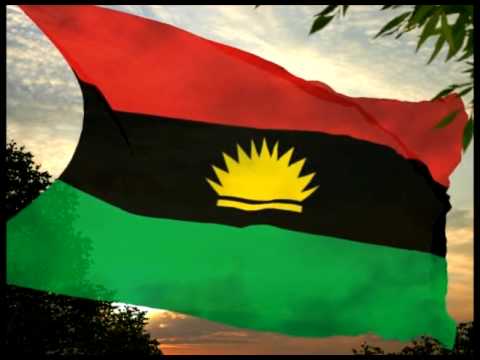
Herbert Ekwe-Ekwe FORTY-SEVEN years into phase-IV of the Igbo genocide and literally on the eve of the epochal breakthrough of the Biafra freedom movement (http://re-thinkingafrica.blogspot.co.uk/2017/01/blog-post_99.html), it could sound perplexing to adjudge the next step of the Igbo path of action as “beginning anew”. But I am reminded of that towering injunction by poet-philosopher Aimé Césaire who deftly charges that the way forward, in the aftermath of such a cataclysmic history, is the “quest to reconquer something, our name (sic), our country … ourselves”. Who is the investor? For the Igbo, the long march to re-take Biafra, re-claim Biafra, their homeland, for themselves and their children and grandchildren and theirs, and consequently end the genocide of 50 years has indeed begun: invest and invest and invest in Biafra... You don’t have to wait for the formal assumption in office of the restoration-of-independence Biafra government in Enuugwu to embark on the immediate task to invest in and for freedom.The specifics, vitality and range abound for the choices of the investor, inventor, scientist, plumber, innovator, thinker, carpenter, analyst, surgeon, builder, artist, composer, mechanic, estate developer, researcher, chef, sportsperson, manufacturer, trader, architect, nurse, entertainer, banker, distributor, painter, teacher, insurer, lawyer, fisherperson, musician, engineer, trucker, producer, sculptor, hotelier, physician, draughtsperson, director, writer, decorator, academic … All conceivable cutting-edge fields in ideas, science and technology are here to be worked at – researched on, understood, adapted, reworked, invented, manufactured, distributed… Biafra will resume the quest towards establishing the high-powered global-oriented economic enterprise interrupted catastrophically by the genocide since Sunday 29 May 1966. Igbo entrepreneurs are therefore thrust with the challenge to turn Biafra into the workshop that serves its people and competes actively with the rest of the world. The world will surely respond accordingly by establishing crisscrossing routes of communication to Biafra to enhance cooperation and exchange. The investment and transformational opportunities emplaced within the population of 50 million throughout the 200-mile north-south stretch of highlands and escarpments and forestlands and grasslands and valleys and waterfalls and lakes and assorted reserves of mineralogical and agricultural resources from the Nsukka plateau (north) to Azumini, Igwe Nga/Opobo, Igwe Ocha/Port Harcourt, Umu Ubani/Bonny, Umuebelengwu and Ahoada of the Igbo Atlantic (south) and the 100 mile-panhandle from Ugwuta, Onicha and Anioma west to the Abakaleke/Ehugbo/Bende/Arochukwu east are breathtakingly immense for the imaginative and industrious investor, elaborated further in this 18 August 2015 essay: (http://re-thinkingafrica.blogspot.co.uk/2015/08/there-is-presently-visionary.html).
Disinvest from Nigeria TO COMPLEMENT this historic drive, Igbo in the diaspora in Nigeria must embark on the disinvestment of their businesses in Lagos, Abuja and elsewhere in that “country”. Igbo must also begin to boycott all goods and services made in and forLagos. TheLagosbrand is henceforth toxic: “Don’t buy ‘Made inLagos’”. The frequently commuting Igbo should cancel all ticket reservations on flights in and out ofLagosand bookings inLagoshotels. They should use other airports en route to Biafra such as Enuugwu, Owere, Asaba, Igwe Ocha and those in Calabar and Uyo. New airports should be built to cope with the fast changing situation. A Lagos boycott will only soon force airlines to route directly to hitherto un-used facilities (with the necessary upgrades of course!) such as Enuugwu and Owere, for instance, as ultimately, as everyone knows, successful business orients to the client’s preferences. There is no reason why the overwhelming majority of Igbo travellers should not fly straight to their Biafran destinations in a few months as the boycott ofLagosintensifies. No moreLagosbusiness conferences: don’t plan one there; don’t attend one there – just skip it as “unimportant”! Finally, the Igbo importers and exporters who command a dominant space in the Lagos district ports’ activities should move their businesses elsewhere: Igwe Ocha, Calabar, Warri, Sapele, Burutu and, soon, Igbo entrepreneurs and engineers will add to these capacities new outlays in Azumini, Onicha and elsewhere and the bridging up of the Aba-Igwe Ocha conurbation to further diversify enterprise and opportunities (http://re-thinkingafrica.blogspot.co.uk/2015/08/there-is-presently-visionary.html). Breakthrough IGBO RESISTANCE to the
genocide is arguably the most defining struggle currently underway in Africa.The breakthrough of
the Biafra freedom movement, very much on the cards, is of major importance for Biafrans and the future direction of Africa. This development cannot be exaggerated.
(Billy Harper Quintet, “Dance, Eternal Spirits, Dance!” [personnel: Harper, tenor saxophone; Virgil Jones, trumpet; Joe Bonner, piano; David Friesen, bass; Malcolm Pinson, drums; recorded: Barclay Studios, Paris, France, 21/22 July 1975])
Poet, playwright, essayist, cofounder (with Léopold Sédar Senghor and Léon-Gontram Damas) of the “negritude” movement in Paris in the 1930s-1940s, one of the preeminent intellectuals of African World affirmation in the wake of 500 years of pan-European enslavement of African peoples, conquest and occupation of Africa, author of classics Cahier d’un retour au pays natal (1939; English: Notebook of a Return to the Native Land, 1956) Discours sur le colonialisme(1950; English: Discourse on Colonialism, 1953), Toussaint Louverture: La Révolution française et le problème colonial (1960, study on the Haitian restoration-of-independence revolutionary), Une Saison au Congo (1966; English: A Season in the Congo, 1968 – play on life and times of Patrice Lumumba) and Une Tempête (1969, English: A Tempest, 1986 – a play, an African-centred rereading of Shakespeare’s The Tempest), teacher and major influence on Frantz Fanon, fellow Martinican and celebrated liberatory scholar and author of The Wretched of the Earth
(Sonny Rollins Quartet, “St Thomas” [personnel: Rollins, tenor saxophone, Tommy Flanagan, piano; Doug Watkins, bass; Max Roach, drums; recorded: Van Gelder Studio, Hackensack, NJ, US, 22 June 1956])
(Aimé Césaire: “History is always dangerous ... [E]stablish and readjust the hierarchy of dangers”)
Aimé Césaire, the poet and
philosopher, once told interviewer Annick Thebia Melson (Unesco Courier, 2010) during one of those illuminating discourses of his on
history: “History is always dangerous, the world of history is a risky world;
but it is up to us at any given moment to establish and readjust the hierarchy
of dangers”.
It is indeed in the very course to disrupt and “readjust”
this hierarchy in this age of the “cursed”, genocidal Berlin-state in Africa (e.g. Nigeria, the Sudan, Democratic Republic of the Congo, Burundi) in favour
of African peoples and Africa that the constituent African nation or people – Igbo, Darfuri, Gikuyu, Wolof, Bakongo, Luo, Akan, Bamileke,
etc., etc – so long maligned, so long
impoverished, so long brutalised, so long humiliated and dehistoricised
with often unprintable epithets (t****, n****, n*****, n******, p********,
b******, w**, sub-*******, sub-*****, e*****, c***, c******, m*****, d******, h*******,
f******-b******, b****, m***, b********, c*******, b*********…), so long
massacred, is recognised, at last, as the principal actor and agency of its being and geography.
This nation, this people, Igbo, Darfuri, Bakongo, etc., etc, can and
should create its own state if it so desires. Just as the Igbo, for instance, spearheaded
the termination of the British conquest and occupation of Nigeria
(1930s-October 1960), they have equally embarked on the vanguard mission to
free themselves from a Nigeria genocide state run by an African-Arabised
imperium, long opposed to the earlier liberation project, to chiefly protect British strategic interests in this
southwestcentral region of Africa in perpetuity. For the Igbo, Biafra “establishes
(sic) and readjusts the hierarchy of dangers” of this age of rampaging genocide.
It is their inalienable right. Freedom. In fact, on this accord, the Igbodo not have
to explain to anyone else why they have embarked on this track of freedom. They can
now decide what precepts, what aspirations, what trajectory, what goals, they have set their new state of Biafra to embark upon… As Césaire deftly puts it in the interview
referred to, the challenges of the times become the “quest to reconquer
something, our name (sic), our country … ourselves”. Herbert Ekwe-Ekwe is the author of Longest genocide – since 29 May 1966 (forthcoming, May 2016)
(John Coltrane Quartetplays Mongo Santamaría’s composition, “Afro Blue” [personnel:Coltrane, soprano saxophone;McCoy Tyner, piano;Jimmy Garrison, bass;Elvin Jones, drums; recorded: live, Half Note, New York, US, 26 March 1965])
Herbert Ekwe-Ekwe In 2065, fifty
years away, the Igbo people and the rest of the world will be making final
preparations to commemorate a century of the Igbo genocide. This will take
place on 29 May 2066.
Barbarism, Pestilence
It should be
recalled that on that dreadful mid-morning of Sunday 29 May 1966 and through
the course of 44 subsequent months of indescribable barbarity and carnage not
seen in Africa since the German-perpetration of the genocide against the
Herero, Nama and Berg Damara peoples of Namibia in the early 1900s, the
composite institutions of the Nigeria state, civilian and military, embarked on
the murder of Igbo people. 3.1 million Igbo or one-quarter of this nation’s
population were murdered during the genocide.
The Igbo genocide
is the foundational genocide of post-(European)conquest Africa. It inaugurated
Africa’s current age of pestilence. Singularly and quite dramatically, the
genocide shattered the capacity of this post-conquest state to capitalise on
the vast invaluable resources of multinationality and multiculturality emplaced
at such a critical phase to engineer a determined reconstructionary and
redevelopment programme of the country after the devastation of 60 years of the
British occupation.
Constitutive indices
To understand the
politics of the Igbo genocide and the politics of the “post”-Igbo genocide is
to have an invaluable insight into the salient features and constitutive
indices of politics across Africa in the past 50 years. Africans elsewhere
remained largely silent on the gruesome events in Nigeria but did not foresee
the grave consequences of such indifference as subsequent genocides in Rwanda,
Darfur, Nuba Mountains, South Kordofan (latter three in the Sudan) and
Zaïre/Democratic Republic of the Congo, and in other wars and conflicts in
every geographical region of Africa, during the period, have demonstrated
catastrophically: Liberia, Mali, Libya, Egypt, Côte d’Ivoire, Algeria, Sierra
Leone, Guinea-Bissau, southern Guinea, the Sudan, Ethiopia, Somalia, Uganda, Republic of the Congo, Burundi, Central
African Republic, Nigeria (Boko Haram insurgency in north, northcentral
regions). The haunting killing fields have indeed stretched, almost inexorably,
from Igboland to the rest of Africa…
Just as the Nigerian operatives of mass murder
appeared to have got away without censure from the rest of Africa, other
genocidal and brutal African regimes soon followed in Nigeria’s footpath,
murdering a horrifically additional tally of 12 million people in their
countries considered “undesirables” or “opponents” since the Igbo genocide in
January 1970. These 12 million murdered in the latter bloodbaths would probably
have been saved if Africans and the rest of the world had intervened, robustly,
to stop the initial genocide against the Igbo people. Surely, the world could
have stopped this genocide; the world should have stopped this genocide.
Bane of existence
Forty-nine years and 15 million murders on, Africans now realise, finally,
that there cannot be any meaningful advancement in their fortunes without
abandoning this post-(European)conquest state, this “Berlin-state”, essentially
a genocide-state. This state is the bane of African existence and progress.
Yet, thankfully, just as in Berlin, in November 1884-February 1885, when conquering Europeans
drafted their gruesome charter for the occupation of Africa, states are not a
gift from the gods but relationships painstakingly formulated and constructed
by a discernible group of human beings that inhabit an ascertainable
geo-historical territorial expanse on earth to pursue worldviews and interests
envisioned and articulated by these same human beings. The state, any state,
therefore, is transient; in contrast, human beings, people(s), endure.
Aimé Césaire, the poet and philosopher, once told interviewer Annick
Thebia Melson (“The liberating power of words: An interview with Poet Aimé
Césaire”,The Journal of
Pan-African Studies, Vol. 2, No 4, June 2008, pp. 2-7) during one of those
illuminating discourses of his on history: “History is always dangerous, the
world of history is a risky world; but it is up to us at any given moment to
establish and readjust the hierarchy of dangers” (2008: 7). It is indeed
in the very course to disrupt and “readjust” this hierarchy in this age of
pestilence in the”‘cursed” (to quote historian Basil Davidson) “Berlin-state”
in favour of Africa and African peoples that the constituent African nation or people (Igbo, Darfuri, Gĩkũyũ, Wolof,
Ibibio, Bakongo, Jola, Mongo, Akan, Luba, Ndebele, Mende, Luo, Herero, Serer,
Bamileke, etc., etc) – so long maligned, so long impoverished, so long
brutalised, so long humiliated and dehistoricised with often unprintable
epithets (t****, n****, n*****, n******, p********, b******, w**, sub-*******,
sub-*****, e*****, c***, c******, m*****, d******, h*******, f******-b******,
b****, m***, b********, c*******, b*********…), so long massacred, is
recognised, at last, as the principal actor and agency of its being and
geography.
So, for all African peoples or nations, the unambiguous message on the unfurled
banner for their freedom march in this next one-half of a century couldn’t be
more confident and focused: “We are because we are free; We are free because we
are”. Abandon the “Berlin-state” now: Nigeria, Niger, Chad, the Sudan, etc.,
etc., each and every one of this configuration, is a fraud. Create your own
state today, now. Now is the time! The constituent African nation, this people,
can and should create its own state if it so desires. Freedom. It is its inalienable right (http://re-thinkingafrica.blogspot.co.uk/2012/01/rights-for-scots-rights-for-igbo.html, accessed 10 September 2015). It does not therefore have to explain to anyone else why it has embarked on this track of freedom. It can now decide what precepts, what aspirations, what trajectory, what goals, it has set its new state to embark upon. As Césaire deftly puts it in the interview referred to, the challenges of the times become the “quest to reconquer something, our name (sic), our country … ourselves” (2008: 2).
(Sonny Rollins Quintet, “Decision” [personnel: Rollins, tenor saxophone, Donald Byrd, trumpet; Wynton Kelly, piano; Gene Ramey, bass; Max Roach, drums; recorded: Van Gelder Studio, Hackensack, NJ, US, 16 December 1956])
Let freedom ring!
Thus, the pressing point to reiterate here is that the immediate emergency that
threatens the very survival of African peoples is the enthralling “Berlin-state”
edifice entombed in African existence to serve the strategic interests of its
European World creator in perpetuity coupled with the pathetic bunch that
masquerades here and there as African leaderships but whose mission is to
oversee the pervasive manifestation that signposts contemporary Africa.
African women and
men will sooner, now, rather than later, abandon this fractured, fracturing,
conflictive, alienating and terror contraption. Africans must now focus on real
transformation – the revitalisation and consolidation of the institutions of
Africa’s constituent nations and polities, or what Okwuonicha Nzegwu has
described, succinctly, as the “indigenous spaces of real Africa” (Nzegwu,Love, Motherhood and the African
Heritage, 2001: 41). In these institutions and spaces of African
civilisation lie the organic framework to ensure transparency, probity,
accountability, investment in people, humanised wealth creation, respect for
human rights and civil liberties, and a true commitment to radically transform
African existence.
The future for the constituent nations and peoples of Africa couldn’t be more
reassuring on the morrow of that which, since 1 January 1956, has been
classified as the post-(European)conquest “Berlin-state” or genocide-state of
Africa. All successor states, organically constituted, really have their work
cut out. Their mission is not to begin to construct states that are merely
post-genocide or post post-conquest/post post-“colonial” states (cancelling
out, in some mechanical venture, that which was “Berlin-state” Africa here and
there!) but a realisation, a reclamation of that which makes usall human and part of humanity.
The new states have an opportunity to begin to build a new civilisation where
human life, fundamentally, issacrosanct.
This is an inclusive state where women and men live as co-operators and
co-creators in fundamentally transforming their society. This is a state that
accepts and accords full rights to all minority groups. This is a state where
people enjoy the rights to differ and to dream dreams and dream different sets
of dreams as they choose. This is a state dedicated to furthering and nurturing
the resilience of its people and to enabling them pursue their highest creative
endeavours. This state continuously strives to remove all limitations in the
paths of its people and committed to making life better and better and better.
This is a state that primes its people to flourish.
Finally, the long drawn out nightmare of nearly 200 years, since November 1884-
February 1885, is over and truly Africans do stand poised on the eve of a new
beginning.
(Ornette
Coleman Quartet, “Tomorrow is the question” [personnel: Coleman, alto saxophone; Don Cherry, trumpet; Percy Heath, bass; Shelly Manne, drums; recorded: Contemporary’s Studio, Los Angeles, US,
9/10 March 1959])
*****(slightly
edited version of paper originally published inPambazuka News: Pan African Voices
for Freedom and Justice, Issue 680, 29 May 2014, as part of collection of
essays focusing on“Africa in 50 years’ time – inventing a new
Africa”)
IN 2064, fifty years away, Igbo people and the rest of the world will be making final preparations to
commemorate a century of the Igbo genocide. This will take place on 29 May
2066. It should be recalled that on that dreadful mid-morning of Sunday 29 May
1966 and through the course of 44 subsequent months of indescribable barbarity
and carnage not seen in Africa since the German-perpetration of the genocide
against the Herero, Nama and Berg Damara peoples of Namibia in the early 1900s, the composite
institutions of the Nigeria state, civilian and military, embarked on the
murder of Igbo people. 3.1 million Igbo or one-quarter of this nation’s
population were murdered during the genocide.
The Igbo
genocide is the foundational genocide of post-(European)conquest Africa. It
inaugurated Africa’s current age of pestilence. Singularly and quite
dramatically, the genocide shattered the capacity of this post-conquest state
to capitalise on the vast invaluable resources of multinationality and
multiculturality emplaced at such a critical phase to engineer a determined
reconstructionary and redevelopment programme of the country after the
devastation of 75 years of the British occupation.
TO UNDERSTAND the politics of the Igbo genocide and the politics of the “post”-Igbo
genocide is to have an invaluable insight into the salient features and
constitutive indices of politics across Africa in the past 50 years. Africans
elsewhere remained largely silent on the gruesome events in Nigeria but did not
foresee the grave consequences of such indifference as subsequent genocides in
Rwanda, Darfur, Nuba Mountains, South Kordofan (latter three in the Sudan) and
Zaïre/Democratic Republic of the Congo, and in other wars and conflicts in
every geographical region of Africa during the period have demonstrated
catastrophically: Liberia, Mali, Libya, Egypt, Côte d’Ivoire, Algeria, Sierra
Leone, Guinea-Bissau, southern Guinea, Sudan, Ethiopia, Somalia, Uganda,
Democratic Republic of the Congo, Republic of the Congo, Burundi, Central
African Republic, Nigeria (Boko Haram insurgency in north, northcentral
regions). The haunting killing fields have indeed stretched, almost inexorably,
from Igboland to the rest of Africa…
Just as
the Nigerian operatives of mass murder appeared to have got away without
censure from the rest of Africa, other genocidal and brutal African regimes
soon followed in Nigeria’s footpath, murdering a horrifically additional tally
of 12 million people in their countries considered “undesirables” or “opponents”
since the Igbo genocide in January 1970. These 12 million murdered in the
latter bloodbaths would probably have been saved if Africans and the rest of
the world had intervened, robustly, to stop the initial genocide against the
Igbo people. Surely, the world could have stopped this genocide; the world
should have stopped this genocide.
Bane of
existence FORTY-EIGHT years and 15 million murders on, Africans now realise, finally, that there
cannot be any meaningful advancement in their fortunes without abandoning this
post-(European)conquest state, this “Berlin-state”, essentially a
genocide-state. This state is the bane of African existence and progress. Yet,
thankfully, just as in Berlin, in 1884-1885, when conquering Europeans drafted
their gruesome charter for the occupation of Africa, states are not a gift from
the gods but relationships painstakingly formulated and constructed by a
discernible group of human beings that inhabit an ascertainable geo-historical
territorial expanse on earth to pursue worldviews and interests envisioned and
articulated by these same human beings. The state, any state, therefore, is
transient; in contrast, human beings, people(s) endure.
Aimé
Césaire, the poet and philosopher, once
told interviewer Annick Thebia Melson (“The liberating power of words: An
interview with Poet Aimé Césaire”, The
Journal of Pan-African Studies, Vol. 2, No 4, June 2008, pp. 2-7) during
one of those illuminating discourses of his on history: “History is always
dangerous, the world of history is a risky world; but it is up to us at any given
moment to establish and readjust the hierarchy of dangers” (2008: 7). It is
indeed in the very course to disrupt and “readjust” this hierarchy in this age
of pestilence in the”‘cursed” (to quote historian Basil Davidson) “Berlin-state”
in favour of Africa and African peoples that the constituent Africa nation or
people (Igbo, Darfuri, Gikuyu, Wolof, Ibibio, Bakongo, Jola, Mongo, Akan, Luba,
Ndebele, Mende, Luo, Herero, Serer, Bamileke, etc., etc) – so long maligned, so
long impoverished, so long brutalised, so long humiliated and dehistoricised
with often unprintable epithets (t****, n****, n*****, n******, p********,
b******, w**, sub-*******, sub-*****, e*****, c***, c******, m*****, d******,
h*******, f******-b******, b****, m***, b********, c*******, b*********…), so
long massacred, is recognised, at last, as the principal actor and agency of
its being and geography. So, for
all African peoples or nations, the unambiguous message on the unfurled banner
for their freedom march in this next one-half of a century couldn’t be more
confident and focused: “We are because we are free; We are free because we are”.
Abandon the “Berlin-state” now. Create your own state today, now. Now is the
time! This nation, this people, can and should create its own state if it so
desires. Freedom. IT IS its inalienable right (http://re-thinkingafrica.blogspot.co.uk/2012/01/rights-for-scots-rights-for-igbo.html, accessed 25 July 2015). It does not therefore have to explain to anyone else why
it has embarked on this track of freedom. It can now decide what precepts, what
aspirations, what trajectory, what goals, it has set its new state to embark
upon. As Césaire deftly puts it in the interview referred to, the challenges of
the times become the “quest to reconquer something, our name (sic), our country
… ourselves” (2008: 2).
Let
freedom ring! THUS, the
pressing point to reiterate here is that the immediate emergency that threatens
the very survival of African peoples is the “Berlin-state” encased in African
existence coupled with the pathetic bunch that masquerades here and there as
African leaderships but whose mission is to oversee this enthralling edifice.
African women and men will sooner, now, rather than later, abandon this
fractured, fracturing, conflictive, alienating and terror contraption. Africans
must now focus on real transformation – the revitalisation and consolidation of
the institutions of Africa’s constituent nations and polities. In these institutions and spaces of African
civilisation lie the organic framework to ensure transparency, probity,
accountability, investment in people, humanised wealth creation, respect for
human rights and civil liberties, and a true commitment to radically transform
African existence.
The
future for the constituent nations and peoples of Africa couldn’t be more
reassuring on the morrow of that which, since 1 January 1956, has been
classified as the post-(European)conquest “Berlin-state” or genocide-state of
Africa. All successor states, organically constituted, really have their work
cut out. Their mission is not to begin to construct states that are merely
post-genocide or post post-conquest/post post-“colonial” states (cancelling
out, in some mechanical venture, that which was “Berlin-state” Africa here and
there!) but a realisation, a reclamation of that which makes us all human and
part of humanity. The new states have an opportunity to begin to build a new
civilisation where human life, fundamentally, is sacrosanct. This is an
inclusive state where women and men live as co-operators and co-creators in
fundamentally transforming their society. This is a state that accepts and
accords full rights to all minority groups. This is a state where people enjoy
the rights to differ and to dream dreams and dream different sets of dreams as
they choose. This is a state dedicated to furthering and nurturing the
resilience of its people and to enabling them pursue their highest creative
endeavours. This state continuously strives to remove all limitations in the
paths of its people and committed to making life better and better and better.
This is a state that primes its people to flourish. FINALLY, the long drawn out
nightmare of nearly 200 years, since November 1884- February 1885, is over and
truly Africans do stand poised on the eve of a new beginning.
(Ornette Coleman Quartet, “Change of the century”
[personnel: Coleman, alto saxophone; Don Cherry, pocket trumpet; Charlie Haden, bass; Billy Higgins, drums; recorded: Radio Recorders, Hollywood, California, US, 8 October 1959])
*****(originally
published in Pambazuka News: Pan African
Voices for Freedom and Justice, Issue 680, 29 May 2014 as part of collection
of essays focusing on “Africa in 50 years’ time – inventing a new Africa”)
Poet, playwright, essayist, cofounder (with Léopold Sédar Senghor and Léon-Gontram Damas) of the “negritude” movement in Paris in the 1930s-1940s, one of the preeminent intellectuals of African World affirmation in the wake of 500 years of pan-European enslavement of African peoples, conquest and occupation of Africa, author of classics Cahier d’un retour au pays natal (1939; English: Notebook of a Return to the Native Land, 1956) Discours sur le colonialisme(1950; English: Discourse on Colonialism, 1953), Toussaint Louverture: La Révolution française et le problème colonial (1960, study on the Haitian restoration-of-independence revolutionary), Une Saison au Congo (1966; English: A Season in the Congo, 1968 – play on life and times of Patrice Lumumba, which actor Chiwetel Ejiofor demonstrates a stellar performance on the London stage, 2013) and Une Tempête (1969, English: A Tempest, 1986 – a play, an African-centred rereading of Shakespeare’s The Tempest), teacher and major influence on Frantz Fanon, fellow Martinican and celebrated liberatory scholar and author of The Wretched of the Earth
Aimé Césaire, the poet and philosopher, once told interviewer Annick Thebia Melson (Unesco Courier, 2010) during one of those illuminating discourses of his on history: “History is always dangerous, the world of history is a risky world; but it is up to us at any given moment to establish and readjust the hierarchy of dangers”. It is indeed in the very course to disrupt and “readjust” this hierarchy in this age of the “cursed” Berlin-state in Africa in favour of African peoples and Africa that the constituent Africa nation or people –Igbo, Darfuri, Gikuyu, Wolof, Ibibio, Bakongo, Akan, Bamileke, etc., etc – so long maligned, so long impoverished, so long brutalised, so long humiliated and dehistoricised with often unprintable epithets (t****, n****, n*****, n******, p********, b******, w**, sub-*******, sub-*****, e*****, c***, c******, m*****, d******, h*******, f******-b******, b****, m***, b********, c*******, b*********…), so long massacred, is recognised, at last, as the principal actor and agency of its being and geography. This nation, this people, can and should create its own state if it so desires. It is its inalienable right. Freedom. It does not therefore have to explain to anyone else why it has embarked on this track of freedom. It can now decide what precepts, what aspirations, what trajectory, what goals it has set its new state to embark upon… As Césaire deftly puts it in the interview referred to, the challenges of the times become the “quest to reconquer something, our name (sic), our country … ourselves”.
(John Coltrane Quartetplays Mongo Santamaría’s composition, “Afro Blue” [personnel:Coltrane, soprano saxophone;McCoy Tyner, piano;Jimmy Garrison, bass;Elvin Jones, drums; recorded: live, Half Note, New York, US, 26 March 1965])
Herbert Ekwe-Ekwe is specialist on the state and on genocide & wars in Africa in the post-1966 epoch – beginning with the Igbo genocide, 29 May 1966-present day, the foundational and most gruesome genocide of post-(European)conquest Africa. 3.1 million Igbo or 25 per cent of this nation’s population were murdered by Nigeria and its allies, principally Britain. Africa and the rest of the world largely stood by and watched as the perpetrators enacted this horror most ruthlessly. The world could have stopped this genocide; the world should have stopped this genocide. This genocide inaugurated Africa’s current age of pestilence. During the period, 12 million additional Africans have been murdered in further genocide in Rwanda (1994), Zaïre/DRCongo (variously, since the late 1990s) and Darfur – west of the Sudan – (since 2004) and in other wars in Africa. African peoples have, presently, no other choice but exit/dismantle the extant genocide-state (the bane of their existence & progress) & construct own nation-centred states that serve their interests. He is author of several books & papers on the subject and his new book is entitled The longest genocide – since 29 May 1966 (2019).

 Discours sur le colonialisme, 1950 (English: Discourse on Colonialism, 1953), Toussaint Louverture: La Révolution française et le problème colonial, 1960 (study on Toussaint L’Ouverture, the Haitian restoration-of-independence revolutionary), Une Saison au Congo, 1966 (English: A Season in the Congo, 1968 – play on life and times of Patrice Lumumba, 1950s/early 1960s’ leader of the restoration-of-independence movement in the Congo, then occupied by Belgium where the king, Leopold II, and the Belgian state, had committed an expansive genocide against constituent African peoples therein between 1878 and 1908 murdering 13 million Africans) and Une Tempête, 1969 (English: A Tempest, 1986 – a play, African peoples-centred rereading of Shakespeare’s The Tempest); The Tragedy of King Christoph (2015) – a play on Henri Christoph, general in Toussaint’s Haitian restoration-of-independence army who later declares himself king in north Haiti and exercises an oppressive rule on the people; teacher of and major influence on Frantz Fanon, fellow Martinican and celebrated freedom scholar and author of The Wretched of the Earth.