Rethinking Africa is a forward looking blog dedicated to the exchange of innovative thinking on issues affecting the advancement of African peoples wherever they are. We provide rigorous and insightful analyses on the issues affecting Africans and their vision of the world.
Showing posts with label John Coltrane Sextet. Show all posts
Showing posts with label John Coltrane Sextet. Show all posts
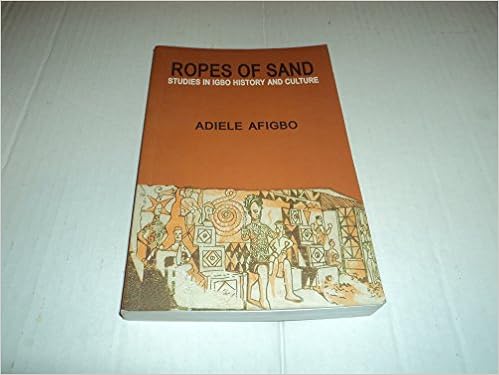
DEAN of Igbo Historical Studies whose seminal books and papers, particularly Warrant Chiefs (1972), Ropes of Sand (1981), Ikenga (1986), K.O. Dike and African historical renascence (1986), The Igbo and their Neighbours (1987), The Image of the Igbo (1991) and Groundwork of Igbo History (1992) are foundational texts and references for the study of Igbo history and civilisation and international relations (Herbert Ekwe-Ekwe)
(John Coltrane Sextet, “Blue train” [personnel: Coltrane, tenor saxophone, Lee Morgan, trumpet; Curtis Fuller, trombone; Kenny Drew, piano; Paul Chambers, bass; Philly Joe Jones, drums; recorded: Van Gelder Studio, Hackensack, NJ, US, 15 September 1957])
*****Herbert Ekwe-Ekwe is the author of Readings from Reading: Essays in African Politics, Genocide, Literature (2011) and author, with Lakeson Okwuonicha, of Why Donald Trump is great for Africa (2018)
BALARABE MUSA is one of the leading Fulani islamist/jihadist north genocidist Nigeria public persons. He was once head
of regime of the Kaduna northcentral region.
Musa has recently been speaking to his
“country”’s media on Igbo people who, for the past 52 years, 1966-2018, have
been subjected to the most gruesome and expansive genocide in the history of
Africa by Nigeria and its suzerain state, Britain. The dual genocidists
murdered 3.1 million Igbo people or 25 per cent of Igbo population during
phases I-III of the genocide (29 May 1966-12 January 1970) and a further murder tally of tens
of thousands of Igbo in organised pogroms executed in north Nigeria and
elsewhere in Nigeria as well as in Biafra during the course of phase-IV of the
genocide (13 January 1970-present day:
1980 ... 1982 ... 1985 ... 1991 ... 1993 ... 1994 ... 1999
... 2000 ... 2001 ... 2002 ... 2004 ... 2005 ... 2006 ... 2007 ...
2008 ... 2009 ... 2010 ... 2011 ... 2012 ... 2013 ... 2014 … 2015 … 2016 … 2017
… 2018 …).
MORE IGBO have been murdered in
genocides committed in African history than any other African peoples. The
primary perpetrator of the Igbo genocide, it cannot be overemphasised, is an African-led state, not European. The Igbo genocide far outstretches the 30 years’
duration of the horrendous genocide of a host of constituent African peoples of
the Congo River basin of central Africa carried out by Belgian King Leopold
II/Belgian state, 1878-1908, when the Belgians and their European World allies
murdered 13 million Africans.
THE crux of Musa’s reminiscences on
the Igbo in that media interview is rendered in the following direct quotes (criticaltimesnews.com, Saturday 17 February
2018):
“Igbo are more republican than the [n]orth and other [peoples in Nigeria] …
[Peoples in Nigeria] are afraid of the Igbo because they [Igbo] are more competitive
… both in practice and history. The Igbo are more
competitive than the Hausa and the Yoruba. The Hausa and Yoruba bourgeoisie are
afraid of this … Igbo are more competitive because they don’t have inhibition …
You can say largely that Igbo are free thinkers …”
“Republican history and competitive drive”
and genocide
NOWHERE in his interview, though,
does Musa condemn the Igbo genocide by Nigeria unreservedly nor demand forthright
the punishment of those culpable in this crime against humanity. Those categorisations
of his on features of Igbo national character are indeed central, right from
the outset, in the execution of the Igbo genocide particularly as conceived and
evaluated by its notorious lead perpetrators – the British and Fulani islamist/jihadist north region Nigeria. It is precisely in response to those
Musa’s repeated references to Igbo republican history and competitive drive that Fulani islamist/jihadists executed the pogroms of Igbo immigrants in Jos (northcentral
Nigeria) in 1945 and in Kano (north Nigeria), 1953, precursors or “dress rehearsals”
to the Igbo genocide (29 May 1966-present day); it is precisely inresponse to those Musa’s repeated references to Igbo republican history and competitive drive that Ahmadu Bello, the Fulani islamist/jihadist leader and sardauna of Sokoto, carried out his infamous late 1950s/early 1960s
interview where he called for the mass murder of Igbo people (http://re-thinkingafrica.blogspot.co.uk/2015/09/igbo-tenacity-drive-and.html); it is precisely in response to those Musa’s repeated references to Igbo republican history and competitive drive that Britain,
in full alliance with the Fulani islamist/jihadist north Nigeria which opposed the
freedom of African peoples under the British conquest and occupation which the
Igbo led (1930s-October 1960), planned and executed the Igbo genocide (29 May
1966-present day), this foundational genocide of post-(European)conquest Africa (http://re-thinkingafrica.blogspot.co.uk/2015/10/herbert-ekwe-ekwe-conquerors-concord-in.html);it is precisely in response to those Musa’s repeated references to Igbo republican history and competitive drive that the Yoruba nation or what Musa tags “Yoruba bourgeoisie” joined the Igbo genocide-prosecuting amalgam of Britain, Fulani islamist/jihadists and other constituent Nigeria nations (Kanuri, Tiv, Idoma, Nupe, Yergam, Bachama, Edo, Uhrobo, etc., etc.) on 6 July 1966 and have remained a reliable and dedicated ally in pursuit of this morbid enterprise ever since;it is precisely because of those Musa’s repeated references to Igbo republican
history and competitive drive and indefatigable opposition to any form of human
oppression and subjugation that the Igbo led the African peoples’ freedom movement
(mid-1930s-October 1960) to terminate the British occupation of the states and peoples of this southwestcentral region of Africa it calls “Nigeria” (http://re-thinkingafrica.blogspot.co.uk/2015/08/blog-post_19.html).
Nigeria collapsed as a state with any
serious prospects for the future on Sunday 29 May 1966 – verily, the day it embarked
on the Igbo genocide. Musa should have conveyed this fact to his interviewers most
urgently and explicitly. Surely, Nigeria couldn’t recover from committing this
heinous crime, this crime against humanity... Besides being contemporary Africa’s
most vicious genocidist state, it is Africa’s worst kakistocratic state, home
to two of the world’s five most deadly terrorist organisations (Boko Haram,
Fulani militia), worst murderer of an African people in history…
Biafra THANKFULLY, for the survivors of the Igbo genocide and for African peoples and the rest
of the world, the only redemptive breakthrough that has occurred from the
haunting tragedy that is Nigeria has been the emergence, therein, of the
transformative state of Biafra. This is indeed extraordinary.
(John Coltrane Sextet, “Out of this world” [personnel: Coltrane, tenor saxophone; Donald Garrett, clarinet, bass; Pharoah Sanders, tenor saxophone; McCoy Tyner, piano; Jimmy Garrison, bass; Elvin Jones, drums; recorded: live at Penthouse Jazz Club, Seattle, US, 30 September 1965])
Economist and theologian, first African American president (vice-chancellor/rector) of Howard University (1926-1960) during which the university attracted a range of luminaries to teaching positions including the philosopher Alain Locke, poet Sterling Brown, surgeon Charles Drew, political scientist Ralph Bunche and chemist Percy Lavon Julian
(John Coltrane Sextet, “Blue train” [personnel: Coltrane, tenor saxophone; Lee Morgan, trumpet; Curtis Fuller, trombone; Kenny Drew, piano; Paul Chambers, bass; Philly Joe Jones, drums; recorded: Van Gelder Studio, Hackensack, NJ, US, 15 September 1957])
DEAN of Igbo Historical Studies whose seminal books and papers, particularly Warrant Chiefs (1972), Ropes of Sand (1981), Ikenga (1986), K.O. Dike and African historical renascence (1986), The Igbo and their Neighbours (1987), The Image of the Igbo (1991) and Groundwork of Igbo History (1992) are foundational texts and references for the study of Igbo history and civilisation and international relations
(John Coltrane Sextet, “Blue train” [personnel: Coltrane, tenor saxophone, Lee Morgan, trumpet; Curtis Fuller, trombone; Kenny Drew, piano; Paul Chambers, bass; Philly Joe Jones, drums; recorded: Van Gelder Studio, Hackensack, NJ, US, 15 September 1957])
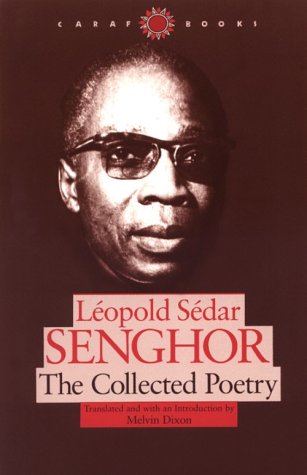
ONE OF THE most outstanding poets of the African World, academic, and race and cultural theorist, statesperson, first African president of Sénégal, September 1960, following the termination of 300 years of the French conquest, occupation and immisiration
(John Coltrane Sextet, Dakar [personnel: Coltrane, tenor saxophone, Cecil Payne, baritone saxophone; Pepper Adams, baritone saxophone; Mal Waldron, piano; Doug Watkins, bass; Art Taylor, drums; recorded: Van Gelder Studio, Hackensack, NJ, US, 20 April 1957])
Economist and theologian, first African American president (vice-chancellor/rector) of Howard University (1926-1960) during which the university attracted a range of luminaries to teaching positions including the philosopher Alain Locke, poet Sterling Brown, surgeon Charles Drew, political scientist Ralph Bunche and chemist Percy Lavon Julian
(John Coltrane Sextet, “Blue train” [personnel: Coltrane, tenor saxophone; Lee Morgan, trumpet; Curtis Fuller, trombone; Kenny Drew, piano; Paul Chambers, bass; Philly Joe Jones, drums; recorded: Van Gelder Studio, Hackensack, NJ, US, 15 September 1957])
(John Coltrane
Sextet, “The Father and the Son and the Holy Ghost” [personnel: Coltrane,
tenor saxophone; Pharoah Sanders, tenor saxophone; McCoy
Tyner, piano; Jimmy Garrison, bass; Elvin
Jones, drums; Rashied Ali,
drums; recorded: Van Gelder Studio, Englewood Cliffs, NJ, US, 23 November 1965])
Herbert Ekwe-Ekwe is specialist on the state and on genocide & wars in Africa in the post-1966 epoch – beginning with the Igbo genocide, 29 May 1966-present day, the foundational and most gruesome genocide of post-(European)conquest Africa. 3.1 million Igbo or 25 per cent of this nation’s population were murdered by Nigeria and its allies, principally Britain. Africa and the rest of the world largely stood by and watched as the perpetrators enacted this horror most ruthlessly. The world could have stopped this genocide; the world should have stopped this genocide. This genocide inaugurated Africa’s current age of pestilence. During the period, 12 million additional Africans have been murdered in further genocide in Rwanda (1994), Zaïre/DRCongo (variously, since the late 1990s) and Darfur – west of the Sudan – (since 2004) and in other wars in Africa. African peoples have, presently, no other choice but exit/dismantle the extant genocide-state (the bane of their existence & progress) & construct own nation-centred states that serve their interests. He is author of several books & papers on the subject and his new book is entitled The longest genocide – since 29 May 1966 (2019).