Rethinking Africa is a forward looking blog dedicated to the exchange of innovative thinking on issues affecting the advancement of African peoples wherever they are. We provide rigorous and insightful analyses on the issues affecting Africans and their vision of the world.
ICONIC musician who with fellow Jamaican artists Peter Tosh, Bunny Wailers and others, beginning in the 1960s, transform reggae into a driving global music genre of social justice and change – “Exodus” classic composition (link below) is the freedom anthem worldwide including, particularly, the great people of Biafrawhose ownsubjugating monster “Babylon” registered in the lyrics is the lair of annihilative savagery called genocidist Nigeria: “.../Uh! Open your eyes and look within,/Are you satisfied (with the life you’re living)? Uh!/We know where we’re going, uh!/We know where we’re from./We’re leaving Babylon,/We’re going to our ... land/.../Move! Move! Move! Move! Move! Move! Move!/...”
(Bob Marley & the Wailers, “Exodus” [musicians and performers: Marley, lead vocal, rhythm guitar, acoustic guitar, percussion; Aston “Family Man” Barrett, fender bass, guitar, percussion; Carlton Barrett, drums, percussion; Tyrone Downie, keyboards, percussion, backing vocals; Alvin “Seeco” Paterson, percussion; Julian (Junior) Marvin, lead guitar; I Threes (Rita Marley, Marcia Griffiths, Judy Mowatt), backing vocals; recorded: Harry J studio, Kingston, Jamaica, 1976 & Island Studio, London, England, January-April 1977])
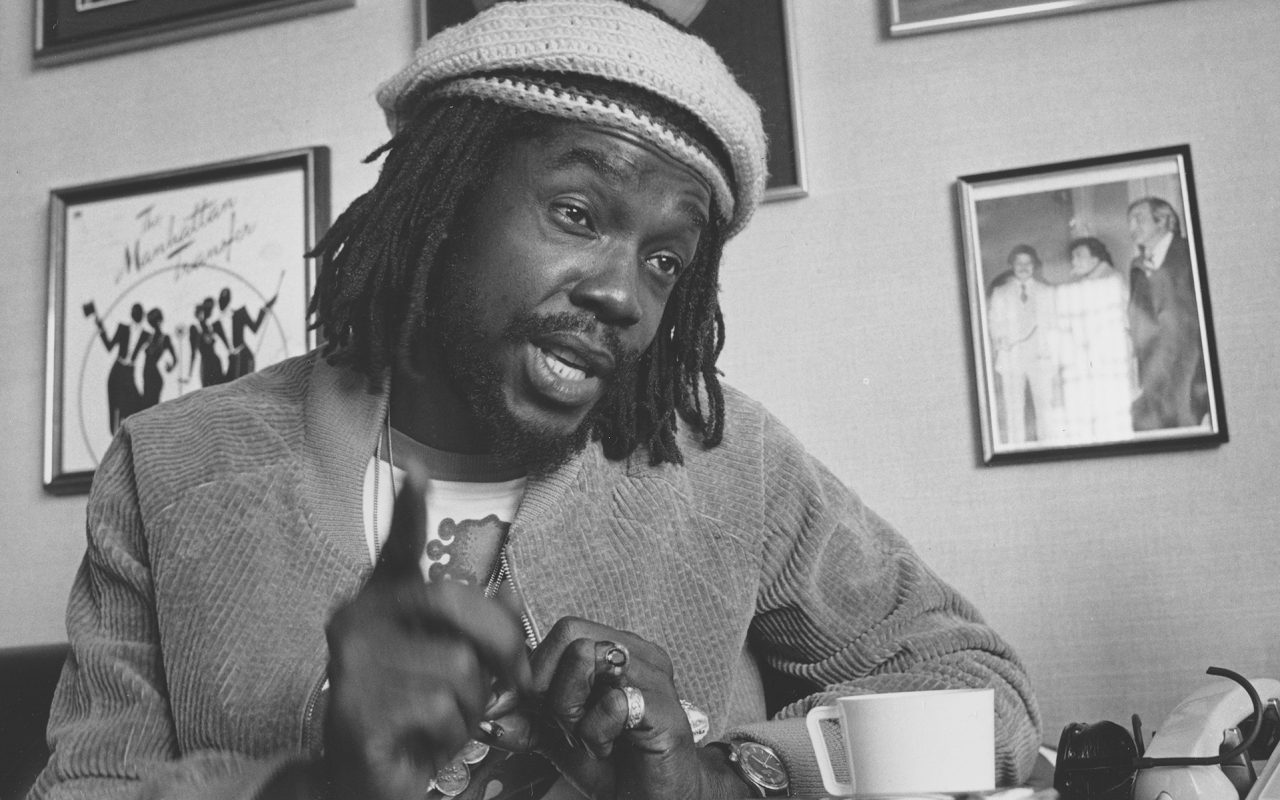
CELEBRATED self-developed musician and Rastafarian who plays a seminal role, beginning in the 1960s, to transform reggae, Jamaica-originated music genre, into an international cultural movement engaged in opposition to centuries of African peoples’ subjugationand all other forms of oppression, and for the promotion of a fairer, equal forms of human relations across the board, offering his prodigious compositional output to the goal, especially: “Get up, Stand up”, “400 years”, “Equal rights”, “Love”, “No sympathy”, “Mama Africa”, “No nuclear war”, “Africa”, “African”, “Here comes the sun”, “Sun valley”, “Creation”, “Oppressor man”, “(You gotta walk and) don’t look back”, “Vampire”, “Apartheid”, “Why must I cry?”, “Go tell it on the mountain”, “You can’t fool me again”, “Keep on moving”
(Peter Tosh: ... “400 years”, 1975)
400 YEARS (400 years, 400 years. Wo-o-o-o)
And it’s the same – The same (wo-o-o-o) philosophy I’ve said it’s four hundred years; (400 years, 400 years. Wo-o-o-o, wo-o-o-o) Look, how long (wo-o-o-o) And the people they (wo-o-o-o) still can’t see Why do they fight against the poor youth of today? And without these youths, they would be gone – All gone astray
Come on, let’s make a move: (make a move, make a move. Wo-o-o-o, wo-o-o-o) I can (wo-o-o-o) see time (wo-o-o-o) - time has come And if-a fools don’t see (fools don’t see, fools don’t see. Wo-o-o-o) I can’t save the youth: The youth (wo-o-o-o) is gonna be strong So, won’t you come with me; I’ll take you to a land of liberty Where we can live – live a good, good life And be free
Look how long: 400 years, (400 years, 400 years) – Way too long! (wo-o-o-o) That’s the reason my people (wo-o-o-o) - my people can’t see Said, it’s four hundred long years – (400 years, 400 years. Wo-o-o-o) Give me patience (wo-o-o-o) – same philosophy It’s been 400 years, (400 years, 400 years) Wait so long! Wo-o-o-o, wo-o-o-o How long? 400 long, long years
(lyrics: “400 years”)
(Peter Tosh: ... “Oppressor man”, 1977)
(Peter Tosh and 14-piece band, “Get up, Stand up” [Tosh and Bob Marley composition]; recorded: Randy’s Studio, Kingston, Jamaica, 1977)
GET UP, stand up
Stand up for your rights Get up, stand up Don’t give up the fight
Get up, stand up Stand up for your rights Get up, stand up Don’t give up the fight
You, preacher man, don’t tell me Heaven is under the earth You, a duppy and you don’t know What life is really worth
It's not all that glitter is gold And half the story has never been told So now we see the light We gonna stand up for your rights, come on
Get up, stand up Stand up for your rights Get up, stand upDon’t give up the fight
Get up, stand up Stand up for your rights Get up, stand upDon’t give up the fight
’Cause you know most people think A great God will come from the skies Take away everything And left everybody dry
But if you know what life is worth Then you would look for yours on earth And now you see the light We gonna stand up for your rights
Get up, stand up Stand up for your rights Get up, stand up Don’t give up the fight
Get up, stand up Stand up for your rights Get up, stand upDon’t give up the fight
We’re sick and tired of this game of technology Humbly asking Jesus for his mercy We know and we know and understand Almighty Jah is a living man
You fool some people sometimes But you can’t fool all the people all the time And now we see the light We gonna stand up for our rights
Get up, stand up Stand up for your rights Get up, stand upDon’t give up the fight
Get up, stand up Stand up for your rights Get up, stand upDon’t give up the fight
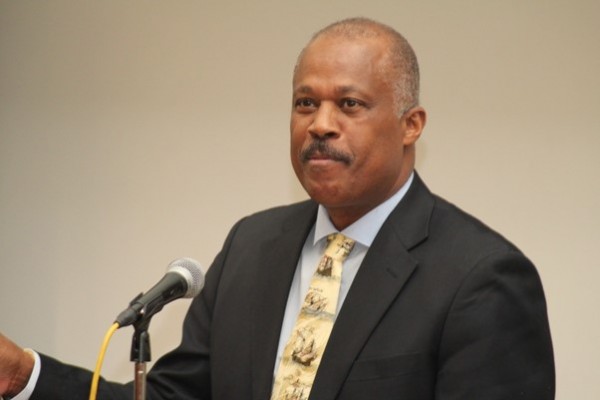
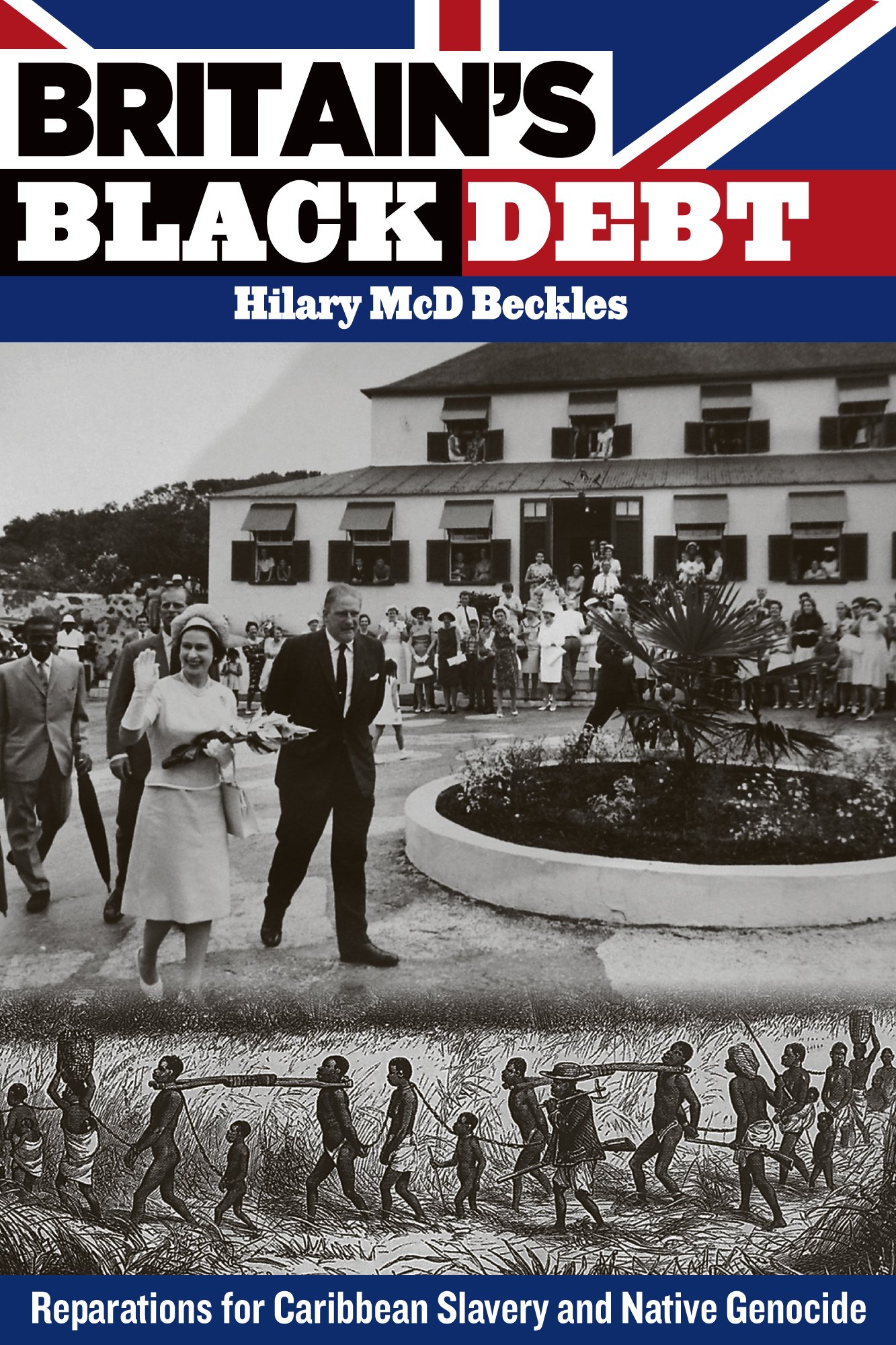
DISTINGUISHED historian on African peoples’
enslavement in the Caribbean by Britain/pan-European World and advocate
of programmed reparations to African peoples worldwide by the European
perpetrators of this crime against humanity; Britain emerges as lead
beneficiary of African enslavement across the Americas during this 400
year-epoch, beginning in the 17th century soon after it takes over the
statuses of the Iberian states of Spain and Portugal exercised hitherto since
the 1490s
(Professor Beckles delivers his landmark lecture on African reparations from Britain/pan-Europe on the latter’s centuries of the enslavement of African peoples in the Caribbean and elsewhere in the Americas; venue: Methodist Church Hall, Kingstown, St Vincent and the Grenadines, 20 August 2013)
(Peter Tosh: ... “400 years”, 1975)
400 YEARS (400 years, 400 years. Wo-o-o-o)
And it’s the same – The same (wo-o-o-o) philosophy I’ve said it’s four hundred years; (400 years, 400 years. Wo-o-o-o, wo-o-o-o) Look, how long (wo-o-o-o) And the people they (wo-o-o-o) still can’t see Why do they fight against the poor youth of today? And without these youths, they would be gone – All gone astray
Come on, let’s make a move: (make a move, make a move. Wo-o-o-o, wo-o-o-o) I can (wo-o-o-o) see time (wo-o-o-o) - time has come And if-a fools don’t see (fools don’t see, fools don’t see. Wo-o-o-o) I can’t save the youth: The youth (wo-o-o-o) is gonna be strong So, won’t you come with me; I’ll take you to a land of liberty Where we can live – live a good, good life And be free
Look how long: 400 years, (400 years, 400 years) – Way too long! (wo-o-o-o) That’s the reason my people (wo-o-o-o) - my people can’t see Said, it’s four hundred long years – (400 years, 400 years. Wo-o-o-o) Give me patience (wo-o-o-o) – same philosophy It’s been 400 years, (400 years, 400 years) Wait so long! Wo-o-o-o, wo-o-o-o How long? 400 long, long years
Iconic musician who with fellow Jamaican artists Peter Tosh, Bunny Wailers and others, beginning in the 1960s, transform reggae into a driving global music genre of social justice and change
(Bob Marley & the Wailers, “Exodus” [musicians and performers: Marley, lead vocal, rhythm guitar, acoustic guitar, percussion; Aston “Family Man” Barrett, fender bass, guitar, percussion; Carlton Barrett, drums, percussion; Tyrone Downie, keyboards, percussion, backing vocals; Alvin “Seeco” Paterson, percussion; Julian (Junior) Marvin, lead guitar; I Threes (Rita Marley, Marcia Griffiths, Judy Mowatt), backing vocals; recorded: Harry J studio, Kingston, Jamaica, 1976 & Island Studio, London, England, January-April 1977])
Celebrated self-developed musician and Rastafarian who plays a seminal role, beginning in the 1960s, to transform reggae, Jamaica-originated music genre, into an international cultural movement engaged in opposition to centuries of African peoples’ subjugationand all other forms of oppression, and for the promotion of a fairer, equal forms of human relations across the board, offering his prodigious compositional output to the goal, especially: “Get up, Stand up”, “400 years”, “Equal rights”, “Love”, “No sympathy”, “Mama Africa”, “No nuclear war”, “Africa”, “African”, “Here comes the sun”, “Sun valley”, “Creation”, “Oppressor man”, “(You gotta walk and) don’t look back”, “Vampire”, “Apartheid”, “Why must I cry?”, “Go tell it on the mountain”, “You can’t fool me again”, “Keep on moving”
(Peter Tosh: ... “400 years”, 1975)
400 YEARS (400 years, 400 years. Wo-o-o-o)
And it’s the same –
The same (wo-o-o-o) philosophy
I’ve said it’s four hundred years;
(400 years, 400 years. Wo-o-o-o, wo-o-o-o)
Look, how long (wo-o-o-o)
And the people they (wo-o-o-o) still can’t see
Why do they fight against the poor youth of today?
And without these youths, they would be gone –
All gone astray
Come on, let’s make a move:
(make a move, make a move. Wo-o-o-o, wo-o-o-o)
I can (wo-o-o-o) see time (wo-o-o-o) - time has come
And if-a fools don’t see
(fools don’t see, fools don’t see. Wo-o-o-o)
I can’t save the youth:
The youth (wo-o-o-o) is gonna be strong
So, won’t you come with me;
I’ll take you to a land of liberty
Where we can live – live a good, good life
And be free
Look how long: 400 years, (400 years, 400 years) – Way too long! (wo-o-o-o) That’s the reason my people (wo-o-o-o) - my
people can’t see Said, it’s four hundred long years – (400 years,
400 years. Wo-o-o-o) Give me patience (wo-o-o-o) – same philosophy It’s been 400 years, (400 years, 400 years) Wait so long! Wo-o-o-o, wo-o-o-o How long? 400 long, long years
(lyrics: “400 years”)
(Peter Tosh: ... “Oppressor man”, 1977)
(Peter Tosh and 14-piece band, “Get up, Stand up” [Tosh and Bob Marley composition]; recorded: Randy’s Studio, Kingston, Jamaica, 1977)
GET UP, stand up
Stand up for your rights
Get up, stand up
Don’t give up the fight
Get up, stand up
Stand up for your rights
Get up, stand up Don’t give up the fight
You, preacher man, don’t tell me
Heaven is under the earth
You, a duppy and you don’t know
What life is really worth
It's not all that glitter is gold
And half the story has never been told
So now we see the light
We gonna stand up for your rights, come on
Get up, stand up
Stand up for your rights
Get up, stand upDon’t give up the fight
Get up, stand up
Stand up for your rights
Get up, stand upDon’t give up the fight
’Cause you know most people think
A great God will come from the skies
Take away everything
And left everybody dry
But if you know what life is worth
Then you would look for yours on earth
And now you see the light
We gonna stand up for your rights
Get up, stand up
Stand up for your rights
Get up, stand up
Don’t give up the fight
Get up, stand up
Stand up for your rights
Get up, stand upDon’t give up the fight
We’re sick and tired of this game of technology
Humbly asking Jesus for his mercy
We know and we know and understand
Almighty Jah is a living man
You fool some people sometimes
But you can’t fool all the people all the time
And now we see the light
We gonna stand up for our rights
Get up, stand up
Stand up for your rights
Get up, stand upDon’t give up the fight
Get up, stand up
Stand up for your rights
Get up, stand upDon’t give up the fight
Celebrated self-developed musician and Rastafarian who plays a seminal role, beginning in the 1960s, to transform reggae, Jamaica-originated music genre, into an international cultural movement engaged in opposition to all forms of oppression and for the promotion of a fairer, equal forms of human relations, offering his prodigious compositional output to the goal, especially: “Get up, Stand up”, “400 years”, “Equal rights”, “Love”, “No sympathy”, “Mama Africa”, “No nuclear war”, “Africa”, “African”, “Here comes the sun”, “Sun valley”, “Creation”, “Oppressor man”, “(You gotta walk and) don’t look back”, “Vampire”, “Apartheid”, “Why must I cry?”, “Go tell it on the mountain”, “You can’t fool me again”, “Keep on moving”
(Peter Tosh and 14-piece band, “Get up, Stand up” [Tosh and Bob Marley composition]; recorded: Randy’s Studio, Kingston, Jamaica, 1977)
Celebrated self-developed musician and Rastafarian who plays a seminal role, beginning in the 1960s, to transform reggae, Jamaica-originated music genre, into an international cultural movement engaged in opposition to all forms of oppression and for the promotion of a fairer, equal forms of human relations, offering his prodigious compositional output to the goal, especially: “Get Up, Stand Up”, “400 Years”, “Equal Rights”, “Love”, “No Sympathy”, “Mama Africa”, “No Nuclear War”, “Africa”, “African”, “Here Comes the Sun”, “Sun Valley”, “Creation”, “Oppressor Man”, “(You Gotta Walk And) Don’t Look Back”, “Vampire”, “Apartheid”, “Why Must I Cry?”, “Go Tell it on The Mountain”, “You Can’t Fool Me Again”, “Keep on Moving”
(Peter
Tosh and 14-piece band, “Get Up, Stand Up” [Tosh and Bob Marley composition]; recorded:
Randy’s Studio, Kingston, Jamaica, 1977)
Self-developed
musician and Rastafarian who plays a seminal role, beginning in the 1960s, to
transform reggae, Jamaica-originated music genre, into an international
cultural movement engaged in
opposition to all forms of oppression and for the promotion of a fairer, equal
forms of human relations, offering his prolific compositions to the goal, especially:
“Get Up, Stand UP”, “400 Years”, “Equal Rights”, “Love”, “No Sympathy”, “Mama
Africa”, “No Nuclear War”, “Africa”, “African”, “Here Comes the Sun”, “Sun
Valley”, “Creation”, “Oppressor Man”, “(You Gotta Walk And) Don’t Look Back”, “Vampire”,
“Apartheid”, “Why Must I Cry?”, “Go Tell it on The Mountain”, “You Can’t Fool
Me Again”, “Keep on Moving” Twitter @HerbertEkweEkwe
Herbert Ekwe-Ekwe is specialist on the state and on genocide & wars in Africa in the post-1966 epoch – beginning with the Igbo genocide, 29 May 1966-present day, the foundational and most gruesome genocide of post-(European)conquest Africa. 3.1 million Igbo or 25 per cent of this nation’s population were murdered by Nigeria and its allies, principally Britain. Africa and the rest of the world largely stood by and watched as the perpetrators enacted this horror most ruthlessly. The world could have stopped this genocide; the world should have stopped this genocide. This genocide inaugurated Africa’s current age of pestilence. During the period, 12 million additional Africans have been murdered in further genocide in Rwanda (1994), Zaïre/DRCongo (variously, since the late 1990s) and Darfur – west of the Sudan – (since 2004) and in other wars in Africa. African peoples have, presently, no other choice but exit/dismantle the extant genocide-state (the bane of their existence & progress) & construct own nation-centred states that serve their interests. He is author of several books & papers on the subject and his new book is entitled The longest genocide – since 29 May 1966 (2019).