Rethinking Africa is a forward looking blog dedicated to the exchange of innovative thinking on issues affecting the advancement of African peoples wherever they are. We provide rigorous and insightful analyses on the issues affecting Africans and their vision of the world.
Showing posts with label onye amuma ndi Igbo. Show all posts
Showing posts with label onye amuma ndi Igbo. Show all posts
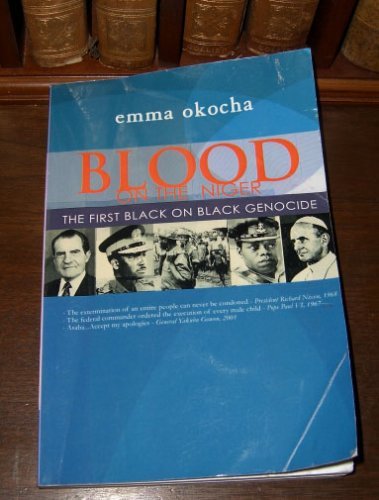
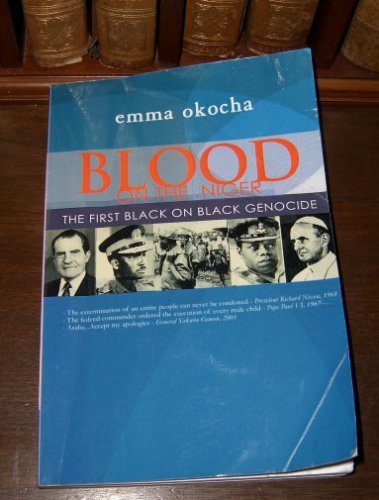
Herbert Ekwe-Ekwe SATURDAY 7 October 2017 is the 50th anniversary of the mass execution of 700 Igbo male, boys and men, in Asaba (twin OshimiliRiver port of Biafra) by genocidist Nigeria military brigade commanded by the islamist troika Murtala Muhammed and Ibrahim Haruna and Ibrahim Taiwo. This was during phase-III of the Igbo genocide which Nigeria launched on 6 July 1967. Britain, Nigeria’s suzerain, is a co-genocidist state in the the ongoing genocide, this foundational genocide of post-(European)conquest Africa, politically, diplomatically, militarily – right from conceptualisation and throughout execution. Britain, under the premiership of Harold Wilson, had sought to “punish” Igbo people for spearheading the political campaign, begun 30 years earlier, to terminate its 100 years conquest and occupation of the constellation of states and peoples of this region of southwestcentral Africa. Emma Okocha’s Blood on the Niger (TriAtlantic Books, 2006), a compulsory reference in the study of the Igbo genocide, meticulously catalogues the savagery and aftermath of the Asaba massacre. Okocha, who lost most of his family during the slaughter, survived the execution as a 4-year-old.
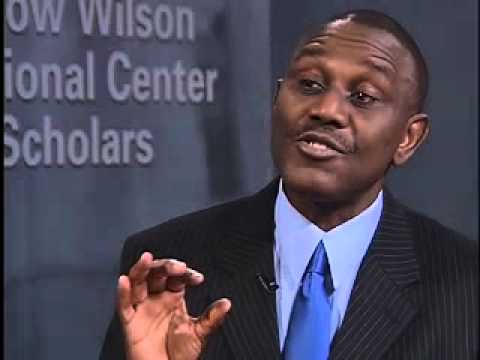
(Emma Okocha: onye amuma ndi Igbo)
HUNDREDS OF OTHER Igbo boys and men were also murdered by the Muhammed-Haruna-Taiwo brigade in several other towns and villages in this Anioma region of Biafra, west of the Oshimili, as Okafor Udoka has shown (Okafor Udoka, “Lest we forget the genocide of Asaba”, Skytrend News, 6 October 2014). Ifeanyi Uriah, now 63, another survivor of the Asaba execution, recalls, in an interview with Udoka, the haunting memory of 7 October 1967:
I cannot tell this story without tears in my eyes … They [genocidist brigade] ordered everyone to come out to the [Asaba] town square … They were honest with us. They told us they were going to kill us. They took us to the mounted machine guns. Then it dawned on us that it was true. I was standing with my older brother at the edge of the crowd. He was holding my hand. He had always taken care of me. We shared the same bed. He was the first to be dragged away by the soldiers. He let go of my hand and pushed me into the crowd. He was shot in the back. I could see the blood gushing from his back. He was the first victim of the massacre. Then all hell let loose. I lost count of time. To this day, I live with the smell of the blood of my brethren that night. Even the heavens wept for the victims of this holocaust. Finally the bullets stopped (Udoka: 2014).
Nigeria and Britain slaughtered 3.1 million Igbo people or 25 per cent of this nation’s population during the three phases of the genocide – 29 May 1966-12 January 1970, and phase-IV (beginning 13 January 1970) continues as gruesomely as ever with the murder of tens of thousands of additional Igbo... THIS genocide inaugurated Africa’s current age of pestilence.
(John Coltrane Quartet, “Seraphic light” [personnel: Coltrane, tenor saxophone, Alice Coltrane, piano; Jimmy Garrison, bass; Rashied Ali, drums; recorded: Van Gelder Studio, Englewood Cliffs, NJ, US, 15 February 1967])
TODAY, Friday 7 October 2016, is the 49th anniversary of the mass execution of 700 Igbo male, boys and men, in Asaba (twin OshimiliRiver port of Biafra) by genocidist Nigeria military brigade commanded by the islamist troika Murtala Muhammed and Ibrahim Haruna and Ibrahim Taiwo. This was during phase-III of the Igbo genocide which Nigeria launched on 6 July 1967. Britain, Nigeria’s suzerain state, supported the genocide,
this foundational genocide of post-(European)conquest Africa, politically,
diplomatically, militarily – right from conceptualisation and throughout execution.
Britain, under the premiership of Harold Wilson, had sought to “punish” Igbo people for spearheading the political campaign,
begun 30 years earlier, to terminate its 100 years conquest and occupation of
the constellation of states and peoples of this region of southwestcentral Africa. Emma Okocha’s Blood on the Niger (TriAtlantic Books, 2006), a compulsory reference in the study of the Igbo genocide, meticulously catalogues the savagery and aftermath of the Asaba massacre. Okocha, who lost most of his family during the slaughter, survived the execution as a 4-year-old.
(Emma Okocha: onye amuma ndi Igbo)
Hundreds of other Igbo boys and men were also slaughtered by the Muhammed-Haruna-Taiwo brigade in several other towns and villages in this Anioma region of Biafra, west of the Oshimili, as Okafor Udoka has shown (Okafor Udoka, “Lest we forget the genocide of Asaba”, Skytrend News, 6 October 2014). Ifeanyi Uriah, now 62, another survivor of the Asaba execution, recalls, in an interview with Udoka, the haunting memory of 7 October 1967:
I cannot tell this story without tears in my eyes … They [genocidist brigade] ordered everyone to come out to the [Asaba] town square … They were honest with us. They told us they were going to kill us. They took us to the mounted machine guns. Then it dawned on us that it was true. I was standing with my older brother at the edge of the crowd. He was holding my hand. He had always taken care of me. We shared the same bed. He was the first to be dragged away by the soldiers. He let go of my hand and pushed me into the crowd. He was shot in the back. I could see the blood gushing from his back. He was the first victim of the massacre. Then all hell let loose. I lost count of time. To this day, I live with the smell of the blood of my brethren that night. Even the heavens wept for the victims of this holocaust. Finally the bullets stopped (Udoka: 2014).
Nigeria and Britain murdered 3.1 million Igbo people or 25 per cent of this nation’s population during the three phases of the genocide – 29 May 1966-12 January 1970, and phase-IV continues as gruesomely as ever... This genocide inaugurated Africa’s current age of pestilence.
The world could have stopped this genocide; the world should have stopped this genocide. To understand the politics of the Igbo genocide and the politics of the “post”-Igbo genocide is to have an invaluable insight into the salient features and constitutive indices of politics across Africa in the past 50 years.
(John Coltrane Quartet, “Seraphic light” [personnel: Coltrane, tenor saxophone, Alice Coltrane, piano; Jimmy Garrison, bass; Rashied Ali, drums; recorded: Van Gelder Studio, Englewood Cliffs, NJ, US, 15 February 1967])
(Born 22 June 1963, Asaba, Biafra: onye amuma ndiigbo)
Footballer, sports administrator, journalist, freedom activist, onye amuma ndiigbo, the courageous 4-year-old who, at the early stages of phase-III of the Igbo genocide, survives the Saturday 7 October 1967 mass execution of 700 Igbo boys and men, by a genocidist Nigeria military brigade commanded by MurtalaMuhammed and IbrahimHaruna and IbrahimTaiwo in Asaba, twin Oshimili River port, during which most of his family and other relatives are murdered; author of Blood on the Niger (TriAtlantic Books, 2006), compulsory reference in the study of the Igbo genocide, carried out by Nigeria and strategic ally Britain, which meticulously catalogues the savagery and aftermath of this massacre.
Hundreds of other Igbo boys and men are also slaughtered by the Muhammed-Haruna-Taiwo brigade in several other towns and villages in this Anioma region of Biafra, west of the Oshimili, as Okafor Udoka has shown (Okafor Udoka, “Lest we forget the genocide of Asaba”, Skytrend News, 6 October 2014). Ifeanyi Uriah, now 62, another survivor of the Asaba execution, recalls, in an interview with Udoka, the haunting memory of 7 October 1967:
I cannot tell this story without tears in my eyes … They [genocidist brigade] ordered everyone to come out to the [Asaba] town square … They were honest with us. They told us they were going to kill us. They took us to the mounted machine guns. Then it dawned on us that it was true. I was standing with my older brother at the edge of the crowd. He was holding my hand. He had always taken care of me. We shared the same bed. He was the first to be dragged away by the soldiers. He let go of my hand and pushed me into the crowd. He was shot in the back. I could see the blood gushing from his back. He was the first victim of the massacre. Then all hell let loose. I lost count of time. To this day, I live with the smell of the blood of my brethren that night. Even the heavens wept for the victims of this holocaust. Finally the bullets stopped (Udoka: 2014).
*****Nigeria and Britain murdered 3.1 million Igbo people or one-quarter of this nation’s population during the three phases of the genocide – 29 May 1966-12 January 1970. This genocide, the foundational genocide of post-(European)conquest Africa, inaugurated Africa’s current age of pestilence, and its phase-IV, launched on 13 January 1970, continues as these lines are written... The world could have stopped this genocide; the world should have stopped this genocide. The world can stop this ongoing genocide. To understand the politics of the Igbo genocide and the politics of the “post”-Igbo genocide is to have an invaluable insight into the salient features and constitutive indices of politics across Africa in the past 50 years.
(John Coltrane Quartet, “Alabama” [personnel: Coltrane, tenor saxophone, McCoy Tyner, piano; Garrison, bass; Elvin Jones, drums; recorded: Jazz Casual [Ralph Gleason], National Educational Television, KQED Studios, San Francisco, US, 1 November 1963])
Today, Wednesday 7 October 2015, is the 48th anniversary of the mass execution of 700 Igbo male, boys and men, in Asaba (twin OshimiliRiver port of Biafra) by genocidist Nigeria military brigade commanded by Murtala Muhammed andIbrahim HarunaandIbrahim Taiwo. This was during phase-III of the Igbo genocide which Nigeria launched on 6 July 1967. Emma Okocha’s Blood on the Niger (TriAtlantic Books, 2006), a compulsory reference in the study of the Igbo genocide, meticulously catalogues the savagery and aftermath of this massacre. Okocha, who lost most of his family during the slaughter, survived the execution as a 4-year-old.
(Emma Okocha: onye amuma ndi Igbo)
Hundreds of other Igbo boys and men were also slaughtered by the Muhammed-Haruna-Taiwo brigade in several other towns and villages in this Anioma region of Biafra, west of the Oshimili, as Okafor Udoka has shown (Okafor Udoka, “Lest we forget the genocide of Asaba”, Skytrend News, 6 October 2014). Ifeanyi Uriah, now 61, another survivor of the Asaba execution, recalls, in an interview with Udoka, the haunting memory of 7 October 1967:
I cannot tell this story without tears in my eyes … They [genocidist brigade] ordered everyone to come out to the [Asaba] town square … They were honest with us. They told us they were going to kill us. They took us to the mounted machine guns. Then it dawned on us that it was true. I was standing with my older brother at the edge of the crowd. He was holding my hand. He had always taken care of me. We shared the same bed. He was the first to be dragged away by the soldiers. He let go of my hand and pushed me into the crowd. He was shot in the back. I could see the blood gushing from his back. He was the first victim of the massacre. Then all hell let loose. I lost count of time. To this day, I live with the smell of the blood of my brethren that night. Even the heavens wept for the victims of this holocaust. Finally the bullets stopped (Udoka: 2014).
Nigeria murdered 3.1 million Igbo people or one-quarter of this nation’s population during the three phases of the genocide – 29 May 1966-12 January 1970. This genocide, the foundational genocide of post-(European)conquest Africa, inaugurated Africa’s current age of pestilence. The world could have stopped this genocide; the world should have stopped this genocide. To understand the politics of the Igbo genocide and the politics of the “post”-Igbo genocide is to have an invaluable insight into the salient features and constitutive indices of politics across Africa in the past 50 years.
(Andrew Hill Sextet, “Dedication” [personnel: Hill, piano; Kenny Dorham, trumpet; Eric Dolphy, bass clarinet; Joe Henderson, tenor saxophone; Richard Davis, bass; Tony Williams, drums; recorded: Van Gelder Studios, Englewoods Cliff, NJ, US, 21 March 1964])
Herbert Ekwe-Ekwe is specialist on the state and on genocide & wars in Africa in the post-1966 epoch – beginning with the Igbo genocide, 29 May 1966-present day, the foundational and most gruesome genocide of post-(European)conquest Africa. 3.1 million Igbo or 25 per cent of this nation’s population were murdered by Nigeria and its allies, principally Britain. Africa and the rest of the world largely stood by and watched as the perpetrators enacted this horror most ruthlessly. The world could have stopped this genocide; the world should have stopped this genocide. This genocide inaugurated Africa’s current age of pestilence. During the period, 12 million additional Africans have been murdered in further genocide in Rwanda (1994), Zaïre/DRCongo (variously, since the late 1990s) and Darfur – west of the Sudan – (since 2004) and in other wars in Africa. African peoples have, presently, no other choice but exit/dismantle the extant genocide-state (the bane of their existence & progress) & construct own nation-centred states that serve their interests. He is author of several books & papers on the subject and his new book is entitled The longest genocide – since 29 May 1966 (2019).